
Dr MAHESH K SHAH
About Me
Dr MAHESH K SHAH
Cardiologist
Biography
My Clinic
OPD Hours
| Tuesday | Morning | 10:00 AM | - | 02:00 PM |
| Evening | 06:00 PM | - | 09:00 PM | |
| Wednesday | Morning | 10:00 AM | - | 02:00 PM |
| Evening | 06:00 PM | - | 09:00 PM | |
| Thursday | Morning | 10:00 AM | - | 02:00 PM |
| Evening | 06:00 PM | - | 09:00 PM | |
| Friday | Morning | 10:00 AM | - | 02:00 PM |
| Evening | 06:00 PM | - | 09:00 PM | |
| Saturday | Morning | 10:00 AM | - | 02:00 PM |
| Evening | 06:00 PM | - | 09:00 PM | |
| Sunday | Morning | 10:00 AM | - | 02:00 PM |
| Evening | 06:00 PM | - | 09:00 PM | |
| Thursday | Morning | 10:00 AM | - | 02:00 PM |
| Evening | 06:00 PM | - | 09:00 PM |
Treatments
Specialised care and treatments offered
HEART HEALTH MONITORING

Evolving methods for monitoring heart health enable earlier detection of potential issues before they escalate into serious conditions. Regular monitoring encompasses various techniques tailored to an individual's needs based on their health history.
MANAGEMENT OF ATRIAL FIBRILLATION
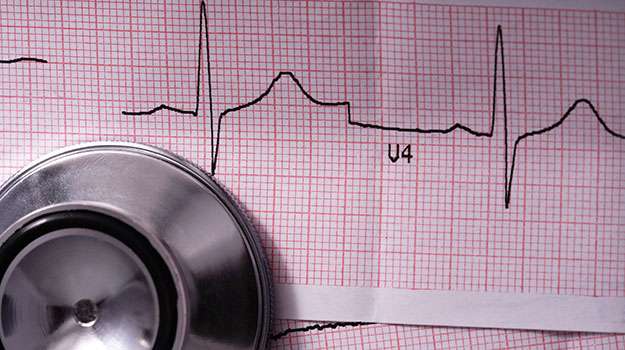
Atrial fibrillation (AFib) involves irregular heartbeat patterns that can increase the risk of strokes and other complications. Understanding AFib is crucial for effective management and maintaining a healthy lifestyle.
- Please Note: Main Symptoms: Patients may experience palpitations or shortness of breath; however, some do not notice any symptoms at all until complications arise.
HEART DISEASE PREVENTION
The prevention of heart disease focuses on reducing risk factors that contribute to cardiovascular issues. This proactive approach includes lifestyle modifications and regular health screenings aimed at maintaining optimal heart health throughout life.
- Your Risk Factors: Major contributors include smoking, obesity, sedentary lifestyle, hypertension, diabetes mellitus, and high cholesterol levels.
- Lifestyle Changes: Implementing a balanced diet rich in fruits and vegetables combined with regular physical activity plays an essential role in prevention efforts.
ELECTROCARDIOGRAM (ECG)
An electrocardiogram (ECG) is a fundamental test used to evaluate the electrical activity of your heart. It provides important information regarding arrhythmias or other heart conditions that might not be apparent through physical examination alone.
- Main Purpose: An ECG helps diagnose irregular heartbeats (arrhythmias), previous heart attacks, and other cardiac issues.
- Description of Procedure: During the test, electrodes are placed on the skin to record electrical signals while you relax comfortably; it usually takes only a few minutes.
- No Preparation Required: There is generally no special preparation needed; patients can continue normal activities before the test.
CHOLESTEROL SCREENING
Routine cholesterol screening is vital for assessing your cardiovascular health. High levels of cholesterol can lead to plaque buildup in arteries, increasing the risk of heart disease and stroke.
- Addition Symptoms: Elevated cholesterol typically has no direct symptoms; however, it can contribute to chest pain or heart attack if not monitored regularly.
- Causative Factors: Poor diet high in saturated fats, lack of physical activity, and genetic predispositions can contribute to elevated cholesterol levels.
- Diagnosis Process: A simple blood test called a lipid panel measures total cholesterol and its subtypes—LDL (bad), HDL (good), and triglycerides.
- Treatment Strategies: Depending on results, interventions may include dietary changes, increased physical activity, or medication like statins if levels are significantly high.
This proactive approach can help prevent significant cardiovascular events later in life. Stay informed about your lipid levels for better heart health!
HYPERTENSION MANAGEMENT
Hypertension, or high blood pressure, is a common condition that can lead to serious health problems if left untreated. It often develops over many years and may not present any noticeable symptoms initially, which is why regular screening is essential.
- Symptoms: Most individuals with hypertension experience no symptoms, but some may have headaches or nosebleeds in severe cases.
- Causes: Risk factors include genetics, obesity, sedentary lifestyle, excessive salt intake, and stress.
- Diagnosis: Blood pressure is measured using a sphygmomanometer during routine check-ups; readings consistently above 130/80 mmHg indicate hypertension.
- Treatment Options: Management may include lifestyle changes such as diet and exercise, along with medications like ACE inhibitors or diuretics.
- Monitoring: Regular follow-up appointments are crucial to adjust treatment plans as necessary and ensure blood pressure remains controlled.
If you suspect you have high blood pressure or are at risk, consult your healthcare provider promptly for assessment and management options.