
Dr Mahesh Sharma
About Me
Dr Mahesh Sharma
MD
Neurologist
10 Years Experience
Biography
My Clinic
OPD Hours
| Monday | Morning | 10:00 AM | - | 02:00 PM |
| Evening | 06:00 PM | - | 09:00 PM | |
| Tuesday | Morning | 10:00 AM | - | 02:00 PM |
| Evening | 06:00 PM | - | 09:00 PM | |
| Wednesday | Morning | 10:00 AM | - | 02:00 PM |
| Evening | 06:00 PM | - | 09:00 PM | |
| Thursday | Morning | 10:00 AM | - | 02:00 PM |
| Evening | 06:00 PM | - | 09:00 PM | |
| Friday | Morning | 10:00 AM | - | 02:00 PM |
| Evening | 06:00 PM | - | 09:00 PM | |
| Saturday | Morning | 10:00 AM | - | 02:00 PM |
| Evening | 06:00 PM | - | 09:00 PM | |
| Sunday | Morning | 10:00 AM | - | 02:00 PM |
| Evening | 06:00 PM | - | 09:00 PM |
Treatments
Specialised care and treatments offered
PEDIATRIC NEUROLOGICAL DISORDERS

Pediatric neurological conditions encompass a range of disorders affecting children's nervous system development. Early diagnosis ensures timely intervention improving developmental outcomes.
MIGRAINE MANAGEMENT
Migraine is a common neurological condition marked by intense headaches often accompanied by nausea, sensitivity to light or sound. Understanding triggers enables better control of episodes.
- Causative Triggers: Hormonal fluctuations, stress, certain foods, sensory stimuli can provoke migraine attacks in susceptible individuals.
- The Diagnostic Process: Diagnosis is clinical based on headache characteristics following standard criteria; additional investigations rule out secondary causes if needed.
- Treatment Options: Acute relief through painkillers including NSAIDs or triptans; preventive medicine recommended for frequent migraines including beta-blockers or anticonvulsants;
MULTIPLE SCLEROSIS (MS) CARE
This autoimmune disorder leads to inflammation and damage of nerve coverings in the central nervous system. Symptoms can fluctuate with periods of relapse and remission requiring ongoing management.
- Causative Factors: The immune system mistakenly attacks myelin sheath around nerves causing impaired signal transmission.
- Symptoms Range: Fatigue, visual disturbances, numbness, weakness, coordination issues depending on affected areas in CNS.
- Differential Diagnosis & Tests: MRI scans reveal characteristic lesions; lumbar puncture may be performed for cerebrospinal fluid analysis.
- Treatment Modalities: Disease-modifying therapies reduce relapse frequency while corticosteroids address acute flare-ups along with symptom-specific treatments like muscle relaxants or physiotherapy support.
A multidisciplinary approach optimizes quality of life despite chronicity of MS symptoms over time.
PARKINSON'S DISEASE TREATMENT
This progressive neurodegenerative disorder primarily affects movement control due to dopamine-producing cell loss. Early recognition allows for better management of symptoms over time.
- Key Signs: Tremors at rest, slowed movements (bradykinesia), muscle rigidity, and postural instability are hallmark features.
- Diagnostic Tools: Clinical evaluation supported by response to dopaminergic medications; imaging may exclude other causes.
- Therapeutic Strategies: Medication regimens including levodopa help replenish dopamine levels; advanced cases might consider deep brain stimulation surgery.
- Lifestyle Considerations: Physical exercise and supportive therapies improve balance and overall function.
A personalized approach is crucial in maintaining independence despite disease progression.
STROKE REHABILITATION
A stroke occurs when blood flow to the brain is interrupted, leading to potential neurological deficits. Effective rehabilitation helps patients regain lost function and improve their quality of life.
- Causes: Ischemic strokes (caused by clots) are most common; hemorrhagic strokes result from bleeding within the brain.
- Assessment: Imaging studies such as CT or MRI scans confirm stroke type and location for tailored interventions.
- Treatment Phases: Acute care focuses on restoring blood flow; rehabilitation includes physical therapy, occupational therapy, and speech therapy to address impairments.
- Goals: Enhancing mobility, improving communication skills, managing daily activities, and preventing complications like muscle stiffness or depression.
The rehabilitation process requires patience but often leads to significant recovery when guided by specialized neurological care.
EPILEPSY MANAGEMENT
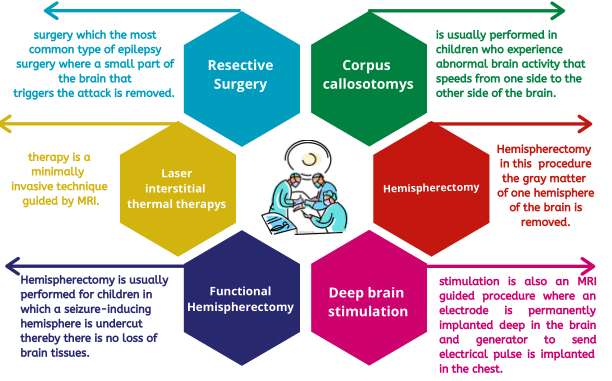
Epilepsy is a neurological disorder characterized by recurrent seizures caused by abnormal electrical activity in the brain. It can affect individuals of all ages and requires careful diagnosis and management.
- Symptoms and Causes: Seizures can vary from brief lapses in attention to full-body convulsions, often triggered by genetic factors, brain injury, or infections.
- Diagnosis: Diagnosis involves EEG tests to detect abnormal brain activity and MRI scans to identify structural changes.
- Treatment Approaches: Antiepileptic medications are the primary treatment; some cases may benefit from surgery or dietary therapies like ketogenic diets.
- Monitoring: Regular follow-ups help adjust medication dosages and monitor seizure frequency to optimize control.
- Long-Term Outlook: Many patients achieve good seizure control, though lifestyle adjustments and adherence to treatment are essential.
With appropriate care and support, individuals living with epilepsy can lead active and fulfilling lives.