
Dr Makarand Salunke
About Me
Dr Makarand Salunke
MBBS
General Physician
17 Years Experience
Biography
My Clinic
OPD Hours
| Monday | Morning | 09:00 AM | ||
| Evening | 09:00 PM | |||
| Tuesday | Morning | 09:00 AM | ||
| Evening | 09:00 PM | |||
| Wednesday | Morning | 09:00 AM | ||
| Evening | 09:00 PM | |||
| Thursday | Morning | 09:00 AM | ||
| Evening | 09:00 PM | |||
| Friday | Morning | 09:00 AM | ||
| Evening | 09:00 PM |
Treatments
Specialised care and treatments offered
ALLERGIC REACTIONS

An allergic reaction occurs when the immune system responds excessively to a substance known as an allergen. Understanding these reactions is essential for effective management strategies moving forward!
- Common Symptoms : Symptoms might range from mild (sneezing/runny nose) up through severe instances involving hives/swelling lifethreatening anaphylaxis requiring immediate medical attention!
- Diagnosis Techniques : Typically diagnosed via thorough patient history alongside allergy testing methods—such blood tests & skin prick examinations helping determine particular sensitivities identified under care protocols established beforehand.
- Management Options Available — Tailored approaches towards addressing identified allergens remain majorly key here! Treatments vary but generally involve antihistamines epinephrine injectors specific emergency situations while education surrounding avoidance techniques must not be overlooked either here!
ASTHMA MANAGEMENT

Asthma is a chronic condition that causes wheezing, breathlessness, chest tightness, and coughing. It requires careful management for optimal control of symptoms over time.
- Symptoms : Asthmatic episodes are often triggered by allergens such as pollen or dust mites; they might cause sudden difficulty in breathing that requires immediate action.
- Diagnosis : A healthcare provider will utilize spirometry tests among other assessments designed specifically around airflow limitations related asthma diagnoses.
- Treatment options : An effective management plan typically includes inhalers—to provide quick relief during attacks—and long-term control medications aimed at reducing inflammation in the airways.
- Lifestyle adjustments : Avoiding known triggers plays a key role in minimizing flare-ups while maintaining an active lifestyle promotes overall lung health too!
GASTROENTERITIS

This inflammation of the stomach and intestines leads to nausea, vomiting, diarrhea, and abdominal discomfort. Gastroenteritis can be particularly harsh on young children and elderly patients.
- Common Causes: It is most often caused by viral infections but can also result from bacterial pathogens or parasites entering the digestive system through contaminated food or water.
- Symptoms: Key indicators include watery diarrhea, stomach cramps, fever, headache, and muscle aches usually within one to three days post-exposure.
- Diagnosis methods: Diagnosis usually relies on symptom assessment; stool samples might be taken if bacterial infection is suspected for targeted treatment strategies.
ACUTE RESPITORY INFECTIONS
Acute respiratory infections are illnesses caused by viral or bacterial infections affecting the lungs and airways. These infections can range from mild colds to more serious conditions like pneumonia.
- Symptoms: Common symptoms include cough, fever, sore throat, nasal congestion, and difficulty breathing in severe cases.
- Causes: These infections are often caused by viruses like influenza or bacteria such as Streptococcus pneumoniae. Transmission occurs through respiratory droplets from coughing or sneezing.
- Diagnosis: A physical examination combined with chest X-rays or lab tests may be necessary for accurate identification of the infection type.
- Treatment/management options: Treatment varies from rest and hydration for viral infections to antibiotics for bacterial causes. Over-the-counter medications may also relieve symptoms.
Timely treatment alleviates symptoms and prevents further complications from acute respiratory infections.
TYPE 2 DIABETES MANAGEMENT

Type 2 diabetes is a chronic condition that affects the way your body metabolizes sugar (glucose). Proper management is vital to prevent complications.
- Causes: Factors include obesity, sedentary lifestyle, genetics, and age. Often linked with insulin resistance, it's crucial to identify risk factors early.
- Symptoms: Common signs include increased thirst, frequent urination, fatigue, and blurred vision. Recognizing these symptoms can lead to prompt diagnosis.
- Diagnosis: Blood tests such as fasting glucose levels or A1C tests help determine blood sugar control over time.
- Treatment options: Treatment typically involves lifestyle modifications such as improved diet and exercise routines along with medications that improve insulin sensitivity or lower blood sugar levels.
A proactive approach helps in managing diabetes effectively and enhancing overall health.
HYPERTENSION

High blood pressure, or hypertension, is commonly referred to as a silent killer due to its often asymptomatic nature. This condition can lead to serious health complications if left untreated.
- Symptoms: Many individuals may not notice any symptoms; however, severe cases could present with headaches, shortness of breath, or nosebleeds.
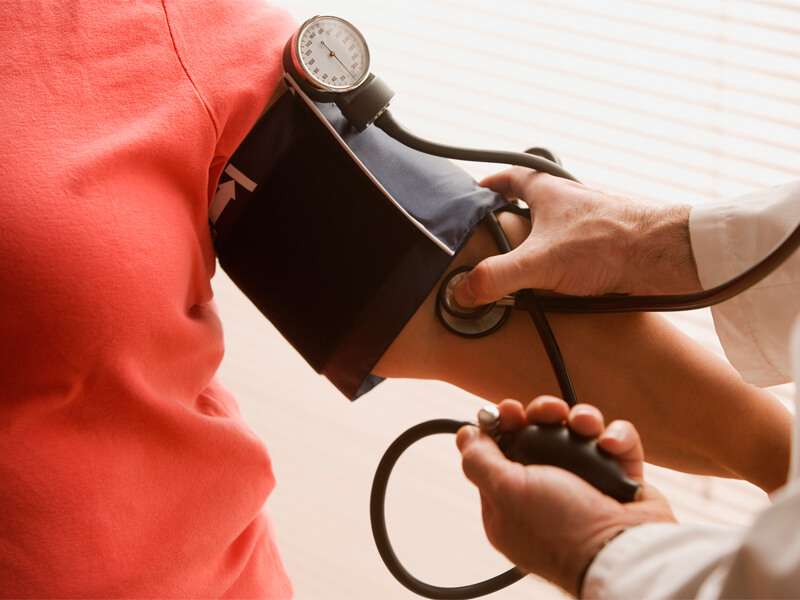
- Diagnosis: Blood pressure is measured using a sphygmomanometer. A reading consistently above 130/80 mmHg indicates hypertension.
- Treatment: Management may include lifestyle changes such as diet and exercise, alongside medications like diuretics or ACE inhibitors as prescribed.
- Management: Regular monitoring of blood pressure at home and periodic check-ups are crucial for effective management.
Addressing hypertension early can significantly reduce the risk of heart disease and stroke.