
Dr Malavika Kohli
About Me
Dr Malavika Kohli
Dermatologist
Biography
My Clinic
OPD Hours
| Tuesday | Morning | 10:00 AM | - | 02:00 PM |
| Evening | 06:00 PM | - | 09:00 PM | |
| Wednesday | Morning | 10:00 AM | - | 02:00 PM |
| Evening | 06:00 PM | - | 09:00 PM | |
| Thursday | Morning | 10:00 AM | - | 02:00 PM |
| Evening | 06:00 PM | - | 09:00 PM | |
| Friday | Morning | 10:00 AM | - | 02:00 PM |
| Evening | 06:00 PM | - | 09:00 PM | |
| Saturday | Morning | 10:00 AM | - | 02:00 PM |
| Evening | 06:00 PM | - | 09:00 PM | |
| Sunday | Morning | 10:00 AM | - | 02:00 PM |
| Evening | 06:00 PM | - | 09:00 PM | |
| Thursday | Morning | 10:00 AM | - | 02:00 PM |
| Evening | 06:00 PM | - | 09:00 PM |
Treatments
Specialised care and treatments offered
SKIN CANCER SCREENING
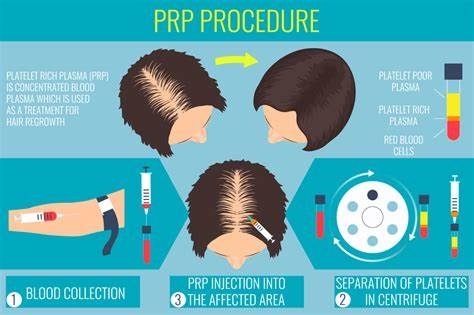
This process involves examining moles or other pigmented lesions for signs indicative of malignancy. Early detection significantly increases survival rates among patients diagnosed with various forms of cancer affecting the integumentary system including malignant melanoma nonmelanoma types such as basal cell carcinoma squamous cell carcinoma respectively
.- Symptoms : Warning signs include changes in size , shape color texture associated symptoms accompanying growth patterns developing new lesions especially asymmetrical irregular borders uneven pigmentation noted during periodic evaluations .
- < Strong *> Causes :< * Strong *> Risk factors encompass excessive sun exposure family histories predisposition taking immunosuppressive therapy individuals possessing fair complexions .
- < Strong *> Diagnosis :< * Strong *> Dermatologic examinations noting atypical characteristics help identify potentially problematic areas followed by histopathological confirmation if indicated .
- < Strong *> Treatment options :< * Strong *> Depending upon biopsy findings therapies range from localized excisions targeted radiation cryotherapy systemic chemotherapeutics advanced cases necessitating referral multidisciplinary oncological teams .
- < Strong *> What to expect :< * Strong *> Regular screenings aid catching issues early enhancing treatment effectiveness ultimately improving prognoses thus allowing health monitoring peace mind throughout life journeys undertaken proactively concerning overall well-being embracing preventative measures critical maintaining optimal dermatologic health every step takes matter conceptually involved engaged collaboratively thus empowering oneself knowledge regarding personal care approaches realizing actualizing potential efficacy programs instituted implemented devised systematically present itself possibilities outcomes attainable ultimately fulfilling paths traversed navigated accordingly confidence restored each clinic visit inevitably leads consistent testimonies being expressed providently sharing awareness importance frequent vigilance encouraging community outreach initiatives promote literacy preventive interventions available populace young old alike alike embracing responsibility keeping informed promoting healthy habits uplift society sustainably positive directions moving forward!
WARTS
A wart is a small growth on the skin caused by human papillomavirus (HPV) infection. Warts are generally harmless but can be bothersome due to their appearance or location on the body.
- Symptoms: These benign tumors appear as rough projections on the surface of the skin—common sites include hands and feet.
- Causes: The HPV virus leads to abnormal keratinocyte proliferation resulting in wart formation via direct contact transmission.
- Diagnosis: A visual inspection by a dermatologist usually suffices; however biopsy may occur if there’s uncertainty about diagnosis.
- Treatment options: Options range from cryotherapy (freezing), topical acids application through surgical excision depending upon wart characteristics.
- What to expect: Many warts resolve spontaneously; however professional intervention helps expedite resolution while minimizing recurrence risks.
Understanding potential treatments offers hope for those seeking cosmetic improvements without significant ramifications after removal efforts undertaken together between physician-patient partnerships essential toward success moving forward.
ROSACEA
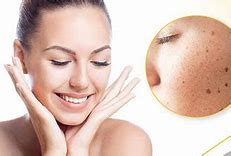
A chronic inflammatory condition marked by facial redness often mistaken for common flushing. Rosacea primarily affects adults in their 30s to 50s and may lead to self-consciousness about one’s appearance.
- Symptoms:This condition presents as persistent redness on the face accompanied by visible blood vessels and occasional pustules.
- Causes: Environmental triggers like sun exposure or spicy foods may provoke symptoms for susceptible individuals.
- Diagnosis: Diagnosis usually involves a comprehensive assessment of signs correlated with personal history.
- Treatment options: Effective management may include topical treatments or oral antibiotics tailored specifically for rosacea sufferers.
- What to expect: Regular follow-up appointments enable personalized adjustments ensuring optimal care throughout treatment.
With consistent management practices in place, patients can regain confidence in their appearance over time.
PSORIASIS
This chronic autoimmune condition causes rapid skin cell production leading to thickened areas covered with silvery scales. Psoriasis commonly manifests during adolescence or early adulthood but can occur at any age.
- Symptoms: Red patches on the skin covered with thick scales are characteristic features.
- Causes: Triggers include stress, infections, and certain medications that prompt flare-ups.
- Diagnosis: Diagnosis typically involves physical examination along with patient history review for prior episodes or family occurrences.
- Treatment options: Treatments range from topical agents to phototherapy and systemic medications depending on severity.
- What to expect: With proactive management strategies tailored to individual needs, many patients achieve significant symptom relief.
The journey towards clearer skin can be fruitful with proper guidance and treatment adherence.
ECZEMA
Eczema, or atopic dermatitis, is a chronic condition resulting in itchy and inflamed skin. It often begins in childhood but can persist or develop at any age.
- Symptoms: Dry patches of skin that may become red or blistered are common presentations.
- Causes: Genetic factors combined with environmental irritants play roles in the onset of eczema.
- Diagnosis: A thorough evaluation including medical history and physical examination aids diagnosis.
- Treatment options: Moisturizers, topical corticosteroids, and immunomodulators are frequently employed to manage flare-ups.
- What to expect: While eczema is manageable, it often requires long-term maintenance strategies for best outcomes.
A collaborative approach with your healthcare provider can help control symptoms effectively.
ACNE
Acne is a common skin condition that affects individuals of all ages, characterized by the presence of pimples, blackheads, and cysts. It primarily occurs when hair follicles become clogged with oil and dead skin cells.
- Symptoms: Frequent breakouts, inflamed red spots, and oily skin are typical signs.
- Causes: Hormonal changes, certain medications, and diet can contribute to acne development.
- Diagnosis: A dermatologist performs an examination to assess the type and severity of acne.
- Treatment options: Topical retinoids, antibiotics, and hormonal therapies can be effective in managing acne.
- What to expect: Improvement may be seen within weeks but requires ongoing treatment for best results.
With appropriate care, acne can be effectively managed, leading to clearer skin.