
Dr Malwankar Romeen
About Me
Dr Malwankar Romeen
Cardiologist
Biography
My Clinic
OPD Hours
| Tuesday | Morning | 10:00 AM | - | 02:00 PM |
| Evening | 06:00 PM | - | 09:00 PM | |
| Wednesday | Morning | 10:00 AM | - | 02:00 PM |
| Evening | 06:00 PM | - | 09:00 PM | |
| Thursday | Morning | 10:00 AM | - | 02:00 PM |
| Evening | 06:00 PM | - | 09:00 PM | |
| Friday | Morning | 10:00 AM | - | 02:00 PM |
| Evening | 06:00 PM | - | 09:00 PM | |
| Saturday | Morning | 10:00 AM | - | 02:00 PM |
| Evening | 06:00 PM | - | 09:00 PM | |
| Sunday | Morning | 10:00 AM | - | 02:00 PM |
| Evening | 06:00 PM | - | 09:00 PM | |
| Thursday | Morning | 10:00 AM | - | 02:00 PM |
| Evening | 06:00 PM | - | 09:00 PM |
Treatments
Specialised care and treatments offered
PERIPHERAL ARTERY DISEASE

This circulatory condition predominantly impacts limbs – most notably legs – due narrowing blockages found within arteries impacting oxygenated blood flow critical tissues maintain healthy function levels properly suffice demands placed upon them overall effectively !
- Symptoms: Patients generally experience leg cramps while walking/crossing distances discomfort improves rest periods taken afterwards noticeably too plentiful often seen too low compliance seeking care promptly before irreversible changes occur instead which could disrupt quality lives considerably worsen pre-existing challenges faced prior already … so knowing signs essential here …!
- Causes: Common causes involve buildup cholesterol/fatty deposits across inner arterial walls leading potentially thrombosis clot formations causing ischemia painful consequences ultimately damaging surface areas tissues involved further exacerbating concerns held onto far longer unwittingly endured ultimately perhaps rightly so demand immediate attention needed moving forward henceforth certainly too …!
- Diagnosis: = Diagnostic methods utilized typically encompass ultrasound studies assessing Doppler waveforms along angiographic imaging techniques evaluating extent blockages present then determining appropriate remedies ensure favorable solutions devised effectively managing these impairments lengthen passions enjoyed fully hereafter directly tangible results felt training alongside rehabilitative measures employed actively work steadily achieving goals pursued mutually supporting lifestyles aimed improving circulation functions altogether thus aiding general well-being appreciably toward worthwhile achievements aimed forever onwards creating new tangible successes achieved overtime < ...!
VALVULAR HEART DISEASE
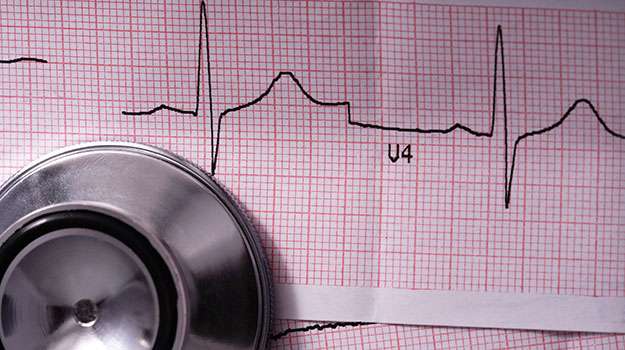
This disorder involves damage to one or more valves within the heart affecting its ability effectively regulate blood flow throughout body. Symptoms vary based on types /severity experienced which necessitates accurate diagnosis for successful management efforts .
- Symptoms: Patients might report difficulty breathing especially during exertion ; fatigue ; palpitations amongst other indications that warrant attention very quickly .
- Causes: Conditions contributing valvular diseases include rheumatic fever/infections that compromise structure valve integrity over time / calcifications due age resulting wear tear upon valve components themselves .
- Diagnosis: Medical practitioners often utilize echocardiograms coupled with thorough history-taking process evaluate functionalities before deciding course action required thereafter .
- Treatment options: Management approaches range from medication usage aimed towards relieving symptoms all way up surgical interventions requiring valve replacement/repair if deemed necessary worst-case scenarios arise through consistent monitoring thereafter guidance follow-ups nature upon patient outcomes observed closely hereafter accordingly though !
The prognosis depends heavily upon numerous factors including pre-existing conditions so individual tailored healthcare planning becomes vital underpin success improving overall patient quality living standards leading thereafter recovery processes good long-term outcomes achieved together collaboratively diagnosed treated appropriately timely manner !
HYPERTENSION
This common cardiovascular issue arises when blood pushes forcefully against artery walls over time. Hypertension often develops without noticeable symptoms but can lead to serious health problems if left unmanaged.
- Symptoms: Many individuals will not experience direct symptoms; however headaches or nosebleeds might occur in severe cases but these are not definitive indicators .
- Causes: Common contributors include obesity , excessive alcohol consumption , high-salt diets , lack of physical activity , among others
- Diagnosis: It typically requires regular monitoring through blood pressure checks during routine wellness visits .
- Treatment options: Lifestyle modifications combined with medications such as diuretics , ACE inhibitors , Angiotensin II receptor blockers could be necessary depending on severity levels .
- What to expect: Through adherence toward prescribed regimens it’s possible for patients achieve improved BP alongside overall cardiovascular health over time .
The importance maintaining optimal bp cannot be understated since elevated numbers significantly increase risks associated stroke &heart disease down line if allowed persist unchecked .
ATRIAL FIBRILLATION
Atrial fibrillation (AFib) is an irregular heartbeat that can increase the risk of stroke and other heart-related complications. It often occurs without warning but is manageable with effective treatment strategies.
- Symptoms: Palpitations (rapid heartbeat), dizziness or lightheadedness, shortness of breath during physical activity are typical signs of AFib.
- Causes: Risk factors include age over 65 years old, underlying heart conditions like hypertension or previous myocardial infarction.
- Diagnosis: AFib is usually diagnosed via ECGs that monitor electrical activity in the heart along with patient medical history assessments.
- Treatment options: Treatment may involve medications for rate control or rhythm management. Procedures like cardioversion or ablation are also frequently utilized for persistent cases to restore normal rhythm.
- What to expect: With consistent follow-up care and lifestyle adjustments alongside any prescribed therapies, many individuals successfully manage their AFib effectively enhancing their quality of life.
If you notice irregular heartbeat patterns or accompanying symptoms typical of AFib it’s important to consult a healthcare professional for evaluation and appropriate management strategies tailored to your needs.
HEART FAILURE
Heart failure is a serious condition that occurs when the heart cannot pump enough blood to meet the body's needs. This can arise from various underlying issues affecting heart structure and function.
- Symptoms: Common signs include persistent coughing or wheezing, swelling in legs/ankles, fatigue, and rapid weight gain due to fluid retention.
- Causes: Conditions such as coronary artery disease, high blood pressure, and previous heart attacks can lead to heart failure.
- Diagnosis: Diagnosis typically involves physical examinations, echocardiograms, MRI scans, and blood tests measuring cardiac biomarkers.
- Treatment options: Management may include lifestyle modifications, medications like ACE inhibitors or beta-blockers, and in advanced cases, devices such as LVADs or even heart transplants.
- What to expect: While it is a chronic condition requiring ongoing care and monitoring, many patients manage well with proper treatment plans tailored by their healthcare team.
If you experience any symptoms associated with heart failure, it's essential to seek medical advice promptly for early intervention and better outcomes.
CORONARY ARTERY DISEASE
Coronary artery disease (CAD) is a common heart condition that affects millions of people worldwide. It occurs when the coronary arteries become narrowed or blocked, reducing blood flow to the heart muscle.
- Symptoms: Chest pain (angina), shortness of breath, fatigue, and heart attacks are common indicators.
- Causes: Factors include high cholesterol, hypertension, smoking, diabetes, and genetic predisposition.
- Diagnosis: CAD can be diagnosed through physical exams, electrocardiograms (ECG), stress tests, and angiograms.
- Treatment options: Lifestyle changes are crucial; medications may include statins or blood thinners. In severe cases, procedures like angioplasty or bypass surgery may be necessary.
- What to expect: With proper management, individuals can lead active lifestyles while minimizing risk factors to prevent further complications.
If you suspect CAD symptoms or have risk factors, consult your healthcare provider for appropriate evaluations and interventions.