
Dr Manali Dental
About Me
Dr Manali Dental
MD
Infectious disease specialists
10 Years Experience
Biography
My Clinic
OPD Hours
| Monday | Morning | 10:00 AM | - | 02:00 PM |
| Evening | 06:00 PM | - | 09:00 PM | |
| Tuesday | Morning | 10:00 AM | - | 02:00 PM |
| Evening | 06:00 PM | - | 09:00 PM | |
| Wednesday | Morning | 10:00 AM | - | 02:00 PM |
| Evening | 06:00 PM | - | 09:00 PM | |
| Thursday | Morning | 10:00 AM | - | 02:00 PM |
| Evening | 06:00 PM | - | 09:00 PM | |
| Friday | Morning | 10:00 AM | - | 02:00 PM |
| Evening | 06:00 PM | - | 09:00 PM | |
| Saturday | Morning | 10:00 AM | - | 02:00 PM |
| Evening | 06:00 PM | - | 09:00 PM | |
| Sunday | Morning | 10:00 AM | - | 02:00 PM |
| Evening | 06:00 PM | - | 09:00 PM |
Treatments
Specialised care and treatments offered
SEPSIS
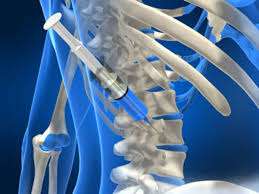
Sepsis is a life-threatening response by the body to an infection that can cause tissue damage. Early recognition is crucial since it progresses rapidly from mere infection into critical organ dysfunction if left untreated!
- Symptoms might initially present flu-like including fever chills increased heart rate restlessness although they worsen over time leading into confusion discoloration skin manifestations ! Attention required immediately...
- Diagnosis combines thorough clinical assessment lab testing identifying origin while assessing organ function !
- Effective management involves hospitalization initiating IV antibiotics fluid resuscitation potentially sourcing additional interventions if septic shock occurs swiftly preventing adverse outcomes .
- Regular assessments allow monitoring patients closely until stabilization metrics evaluated thoroughly intending improved care delivery protocols established accordingly .
Prompt action saves lives ultimately emphasizing awareness surrounding sepsis recognizing red flags taking necessary steps responding adequately!
PNEUMONIA
Pneumonia is an inflammatory condition affecting the lungs' air sacs that can fill with fluid or pus due to various pathogens including bacteria, viruses, or fungi. It poses risks especially to young children and older adults who may experience severe symptoms requiring immediate care.
- Main symptoms encompass cough producing phlegm or pus, fever chills excessive sweating fatigue among others resulting in discomfort breathing difficulties too...
- Diagnosis is confirmed through physical examinations along with chest X-rays that visualize lung involvement .
- Treatment options vary ! Antibiotics are prescribed for bacterial causes while antiviral medications will be given during viral pneumonia sessions .
- Supportive measures such as rest maintaining hydration also play significant roles during recovery additionally physiotherapy might assist with lung clearance .
Recovery time varies according ; hence early intervention leads better outcomes alongside seeking continual medical assistance throughout!
SKIN INFECTIONS

Skin infections can result from bacteria or fungi invading the skin's protective barrier. These infections manifest in various forms such as cellulitis or fungal infections like ringworm or athlete’s foot which may appear innocuous but require proper attention.
- Symptoms often include redness, swelling, warmth, pain at the site of infection, itching in cases of fungi-related conditions.
- A clinical examination along with culture tests aids in accurately diagnosing these infections.
- Treatment typically involves topical or oral antibiotics for bacterial infections; antifungal creams or medications are used for fungal infections depending on severity.
- Keeping the affected area clean is vital during recovery as well as following your physician's recommendations closely to ensure optimal healing.
Persistent skin issues should prompt a visit for further evaluation to prevent complications associated with untreated infections.
VIRAL HEPATITIS

Viral Hepatitis includes infections caused by different viruses affecting the liver. The main types are Hepatitis A, B, C, D, and E, each with distinct transmission methods and impacts on health.
- The symptoms may vary but often include jaundice, abdominal pain, and fatigue among others depending on the type of hepatitis.
- Diagnosis typically involves blood tests that check for specific viral antigens or antibodies in your system.
- Treatment varies: Hepatitis A often resolves on its own while Chronic Hepatitis B and C may require antiviral medications with regular monitoring for liver function.
- Lifestyle changes such as abstaining from alcohol can significantly improve liver health during treatment.
- Your doctor will formulate an individualized management plan based on your specific type of hepatitis and overall health status.
A comprehensive approach can lead to effective management or even resolution of viral hepatitis infections.
TUBERCULOSIS (TB)

Tuberculosis is a serious infectious disease caused by Mycobacterium tuberculosis that primarily affects the lungs but can also affect other parts of the body. It spreads through air droplets when an infected person coughs or sneezes.
- Common signs include persistent cough, weight loss, fever, and night sweats.
- Diagnosis involves a combination of skin tests, blood tests, and imaging studies like chest X-rays.
- Treatment generally consists of a rigorous course of antibiotics for several months, showcasing the importance of completing the entire regimen to prevent resistance.
- Regular follow-ups are crucial to ensure treatment effectiveness and manage any potential side effects of medications.
- Your healthcare provider will guide you on how to minimize infecting others during treatment.
With proper care, TB can be effectively treated and cured.
HIV/AIDS

HIV (Human Immunodeficiency Virus) attacks the body's immune system, specifically the CD4 cells, leading to AIDS (Acquired Immunodeficiency Syndrome) if not managed properly. This chronic condition requires lifelong treatment and monitoring.
- Symptoms can include fever, fatigue, swollen lymph nodes, and opportunistic infections.
- Diagnosis is typically carried out through blood tests measuring HIV antibodies or viral load.
- Treatment includes Antiretroviral Therapy (ART), which helps manage symptoms and prolong life.
- Regular medical check-ups are essential to monitor health progress and adjust treatment plans as needed.
- Infection prevention strategies are also crucial to avoid secondary infections.
Early diagnosis and consistent treatment are key to living a healthy life with HIV.