
Dr Mangesh Jalgaonkar
About Me
Dr Mangesh Jalgaonkar
General Physician
Biography
My Clinic
OPD Hours
| Tuesday | Morning | 10:00 AM | - | 02:00 PM |
| Evening | 06:00 PM | - | 09:00 PM | |
| Wednesday | Morning | 10:00 AM | - | 02:00 PM |
| Evening | 06:00 PM | - | 09:00 PM | |
| Thursday | Morning | 10:00 AM | - | 02:00 PM |
| Evening | 06:00 PM | - | 09:00 PM | |
| Friday | Morning | 10:00 AM | - | 02:00 PM |
| Evening | 06:00 PM | - | 09:00 PM | |
| Saturday | Morning | 10:00 AM | - | 02:00 PM |
| Evening | 06:00 PM | - | 09:00 PM | |
| Sunday | Morning | 10:00 AM | - | 02:00 PM |
| Evening | 06:00 PM | - | 09:00 PM | |
| Thursday | Morning | 10:00 AM | - | 02:00 PM |
| Evening | 06:00 PM | - | 09:00 PM |
Treatments
Specialised care and treatments offered
INFECTIOUS DISEASE DIAGNOSIS
The field of infectious diseases encompasses conditions caused by pathogens such as bacteria, viruses, fungi, or parasites. Timely diagnosis is vital for effective treatment and prevention of spread within communities. Understanding symptoms helps distinguish between various infections readily
- Common Symptoms: Fever,muscle aches,cough,rashes—these vary greatly depending upon infectious agents involved.
- Diagnostic Approach: Thorough patient history coupled with laboratory tests like cultures or serology assays enables accurate identification
- Treatment Strategies: Could range from antibiotics for bacterial infections antiviral medications against viruses–consultations are critical following diagnosis!
A diligent approach allows healthcare providers work towards curbing potential outbreaks whilst ensuring patients recover swiftly from infections encountered!
THYROID FUNCTION TESTING

The thyroid gland plays an important role in regulating metabolism through hormone production. Disorders here can lead to either hyperthyroidism or hypothyroidism, both requiring thorough evaluation for proper management. Recognizing symptoms early on can aid diagnosis significantly.
- Common Symptoms: Weight changes, energy fluctuations, temperature sensitivity—either too hot or cold—can suggest thyroid dysfunction.
- Diagnosis: Blood tests measuring TSH (Thyroid Stimulating Hormone) and thyroid hormones T3/T4 help assess function.
- Management Options: Depending on results, medications like levothyroxine may be prescribed; lifestyle adjustments could also play a part.
A timely assessment ensures you receive appropriate care tailored toward restoring thyroid function efficiently while improving overall wellbeing!
ANEMIA EVALUATION
Anemia is a condition characterized by insufficient red blood cells or hemoglobin in the blood. This can lead to fatigue and weakness among various other symptoms. Identifying the cause of anemia is essential for proper treatment.
- Main Symptoms: Fatigue, pallor, dizziness, shortness of breath during mild exertion.
- The Diagnosis Process: Blood tests such as complete blood count (CBC) help determine the type of anemia present; additional tests might assist in uncovering underlying causes.
- Treatment Options: Iron supplements for iron-deficiency anemia; vitamin B12 injections for pernicious anemia are common interventions based on specific deficiencies identified.
A comprehensive evaluation will enable appropriate management strategies tailored specifically for your needs regarding anemia treatment
CHOLESTEROL MANAGEMENT
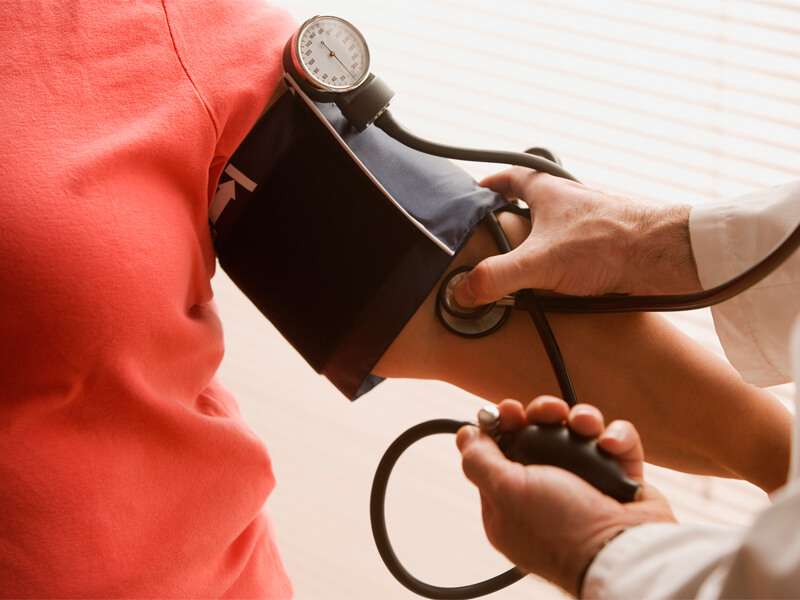
Elevated cholesterol levels can lead to serious heart conditions. Monitoring cholesterol is vital as it contributes to artery-clogging plaque formation. Understanding your lipid profile is key in managing heart health effectively.
- Symptoms: Typically asymptomatic but may lead to chest pain or heart attacks if not controlled.
- How it's Diagnosed: A lipid panel measures LDL, HDL, and triglycerides in the blood; repeat testing may be scheduled based on results.
- Treatment Options: Lifestyle changes like dietary alterations or increased physical activity; medications like statins if necessary.
Your commitment to regular check-ups aids in maintaining your cholesterol levels within a healthy range, fostering better heart health over time.
DIABETES SCREENING

Diabetes is a metabolic disorder that affects how our bodies use sugar (glucose). Early screening can catch diabetes before it leads to more significant complications. Understanding your blood sugar levels is essential for maintaining overall health.
- Symptoms: Increased thirst, frequent urination, extreme fatigue, blurred vision.
- Diagnosis: Blood tests including fasting glucose test and HbA1c test to measure average blood sugar over time.
- Treatment/Management: Lifestyle changes such as diet and exercise; medication or insulin therapy may be necessary depending on type and severity.
- What to Expect: Regular follow-ups will be crucial to monitor your condition and adjust treatment as needed.
An early diagnosis offers a pathway to effectively manage diabetes and prevent its complications.
HYPERTENSION MANAGEMENT
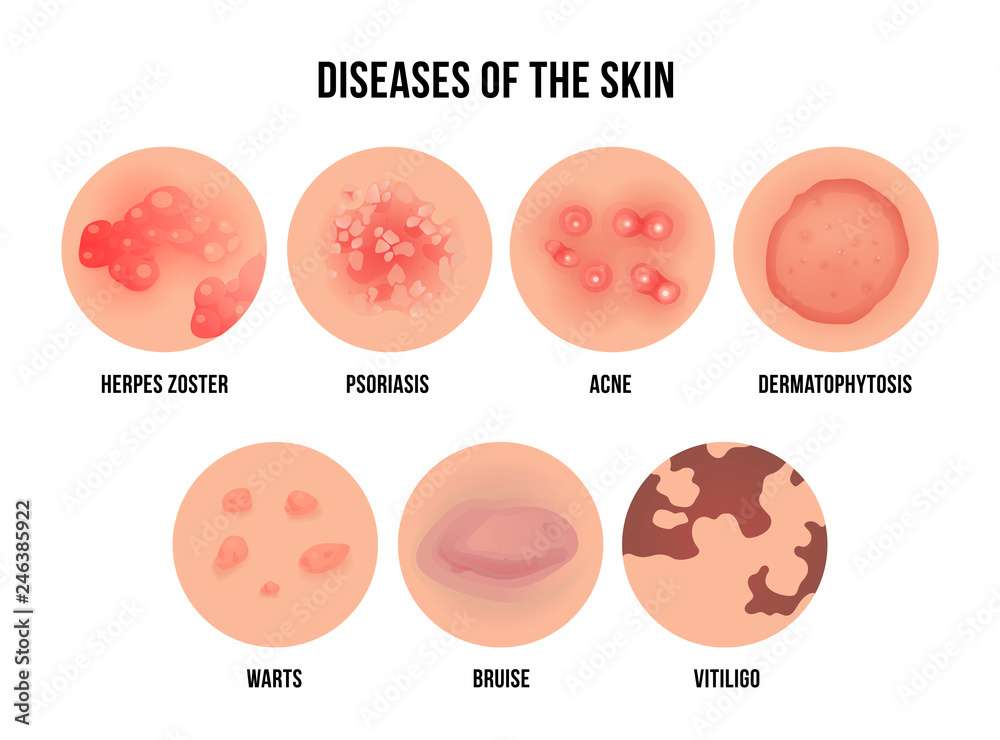
Hypertension, commonly referred to as high blood pressure, is a condition that can lead to serious health complications if left untreated. It often goes unnoticed until it manifests through serious health issues. Early detection and management are crucial for preventing cardiovascular diseases.
- Symptoms: Often asymptomatic but may include headaches, shortness of breath, and nosebleeds.
- Diagnosis: Blood pressure readings taken multiple times; sometimes followed by further tests to check for organ damage.
- Treatment Options: Lifestyle changes including diet and exercise, medications such as diuretics or ACE inhibitors.
- Management: Regular monitoring of blood pressure levels and lifestyle adjustments are critical for effective management.
A proactive approach towards hypertension can significantly improve quality of life and reduce the risk of severe health issues down the line.