
Dr Mangesh Patil
About Me
Dr Mangesh Patil
Oncologist
Biography
My Clinic
OPD Hours
| Tuesday | Morning | 10:00 AM | - | 02:00 PM |
| Evening | 06:00 PM | - | 09:00 PM | |
| Wednesday | Morning | 10:00 AM | - | 02:00 PM |
| Evening | 06:00 PM | - | 09:00 PM | |
| Thursday | Morning | 10:00 AM | - | 02:00 PM |
| Evening | 06:00 PM | - | 09:00 PM | |
| Friday | Morning | 10:00 AM | - | 02:00 PM |
| Evening | 06:00 PM | - | 09:00 PM | |
| Saturday | Morning | 10:00 AM | - | 02:00 PM |
| Evening | 06:00 PM | - | 09:00 PM | |
| Sunday | Morning | 10:00 AM | - | 02:00 PM |
| Evening | 06:00 PM | - | 09:00 PM | |
| Thursday | Morning | 10:00 AM | - | 02:00 PM |
| Evening | 06:00 PM | - | 09:00 PM |
Treatments
Specialised care and treatments offered
HEMATOLOGICAL MALIGNANCIES
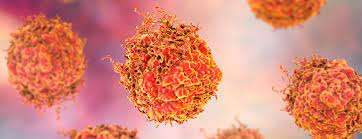
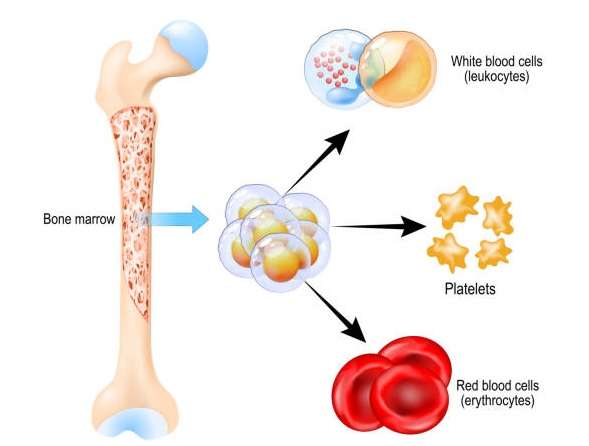
Cancers that originate in blood-forming tissues are classified as hematological malignancies. Conditions like leukemia affect bone marrow functionality leading towards complications within blood cell production processes.
- Symptoms might consist of frequent infections associated with reduced white blood counts alongside anemia-related fatigue issues due decreased red blood counts.
- Diagnosing these conditions often entails comprehensive blood tests alongside possible bone marrow biopsies confirming presence/percentage involved by malignant cells.
- Management track generally involves chemotherapy protocols targeted against certain types; additionally stem cell transplantations represent critical approaches chosen after obtaining successful donor matches over conventional treatments offered initially.
- Understanding prognoses helps patients anticipate potential responses effectively while maintaining open dialogues regarding achievable therapeutic goals throughout course treament provided by oncologists.
Regular follow-ups remain paramount since early identification leads towards much higher success rates concerning these complex diseases impacting wider populations annually.
SKIN CANCER
Skin cancer remains one of the most prevalent types of cancers globally. It generally manifests when skin cells undergo abnormal growth due to sun exposure or genetic predisposition.
- The main types are basal cell carcinoma (BCC), squamous cell carcinoma (SCC), and melanoma; each displaying distinct symptoms such as new growths or changes in existing moles.
- Diagnosis primarily relies on physical examinations complemented by biopsy procedures when necessary for accurate classification.
- Treatment options may involve topical therapies, surgical excision, photodynamic therapy (PDT), or more extensive interventions like immunotherapy depending on severity levels.
- Ongoing skin checks are crucial following treatment since some patients may experience recurrence over time.< // li >
Proactive measures against sun exposure combined with regular dermatological assessments can significantly reduce risks associated with skin cancers.
PROSTATE CANCER

A significant concern for men over 50 years old is prostate cancer. This disease occurs when malignant cells develop in prostate gland tissues.
- The most common indicators include difficulty urinating, blood in urine or semen, and persistent pain in the back or hips.
- A digital rectal exam (DRE) along with prostate-specific antigen (PSA) tests are primary methods used for diagnosis.
- Treatment alternatives often range from surgical intervention to radiation therapy or active surveillance depending on individual risk factors and preferences.
- Psycho-social support plays an important role during treatment as coping with prostate cancer can be particularly challenging for many men.
With increasing awareness regarding prostate health, early detection options have improved outcomes significantly for those affected by this condition.
COLORECTAL CANCER
This type of cancer affects the colon or rectum and is often linked to dietary factors and lifestyle choices. Early detection can significantly improve prognosis.
- Symptoms generally include changes in bowel habits, blood in stool, abdominal discomfort, and unexplained fatigue.
- The condition is diagnosed using colonoscopies along with imaging studies such as CT scans for staging purposes.
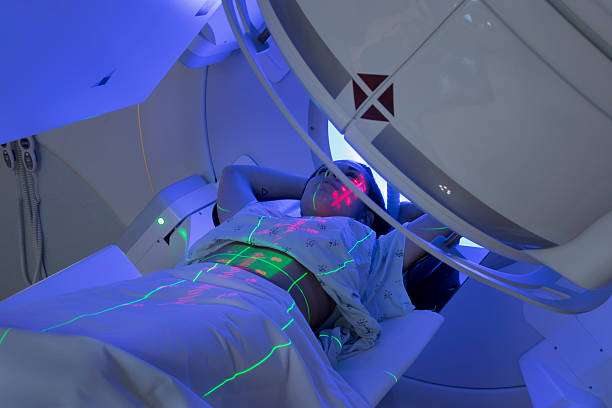
- Treatment usually involves surgical resection, accompanied by chemotherapy or radiation therapy in advanced cases to eliminate remaining cancer cells.
- Following treatment, regular monitoring is essential for recurrence prevention and overall health management.
An informed approach towards colorectal cancer can lead patients toward effective management strategies and healthier lifestyles.
LUNG CANCER
Lung cancer arises when abnormal cells form in lung tissues. It is often associated with smoking but can also affect non-smokers due to environmental factors.
- Common symptoms include persistent cough, shortness of breath, chest pain, and unexplained weight loss.
- The diagnosis typically involves imaging studies like CT scans and biopsies to confirm the presence of malignancy.
- Treatments may consist of surgery, chemotherapy, targeted therapy, and immunotherapy based on cancer type and stage.
- Palliative care is also an option to alleviate symptoms and improve quality of life during treatment.
Awareness about lung cancer can empower individuals to seek timely medical help and improve survival rates through early intervention.
BREAST CANCER
Breast cancer is one of the most common cancers affecting women worldwide. It occurs when cells in the breast begin to grow uncontrollably, forming a tumor that can invade nearby tissues.
- Symptoms may include a lump in the breast, changes in breast shape or size, and discharge from the nipple.
- This condition is typically diagnosed through imaging tests such as mammograms, ultrasounds, and biopsies.
- Treatment options often involve a combination of surgery, chemotherapy, radiation therapy, or hormonal therapy depending on the stage and type of cancer.
- Patients can expect to undergo a thorough evaluation to determine an individualized treatment plan tailored to their specific needs.
Understanding breast cancer is vital for early detection and effective management, leading to better outcomes for patients.