
Dr Manish Agarwa
About Me
Dr Manish Agarwa
MD
Cardiologist
10 Years Experience
Biography
My Clinic
OPD Hours
| Monday | Morning | 10:00 AM | - | 02:00 PM |
| Evening | 06:00 PM | - | 09:00 PM | |
| Tuesday | Morning | 10:00 AM | - | 02:00 PM |
| Evening | 06:00 PM | - | 09:00 PM | |
| Wednesday | Morning | 10:00 AM | - | 02:00 PM |
| Evening | 06:00 PM | - | 09:00 PM | |
| Thursday | Morning | 10:00 AM | - | 02:00 PM |
| Evening | 06:00 PM | - | 09:00 PM | |
| Friday | Morning | 10:00 AM | - | 02:00 PM |
| Evening | 06:00 PM | - | 09:00 PM | |
| Saturday | Morning | 10:00 AM | - | 02:00 PM |
| Evening | 06:00 PM | - | 09:00 PM | |
| Sunday | Morning | 10:00 AM | - | 02:00 PM |
| Evening | 06:00 PM | - | 09:00 PM |
Treatments
Specialised care and treatments offered
ELECTROPHYSIOLOGY STUDIES

Electrophysiology studies are specialized tests designed to assess how electrical impulses travel through your heart's conduction system. These tests help identify abnormal rhythms contributing towards various heart issues including palpitations or syncope episodes!
- The most common warning signs prompting these studies include feeling dizzy, lightheadedness, or having abnormal heartbeat sensations once diagnosed correctly after other evaluations have been completed successfully already!
- Echocardiograms alongside ECG bursts remain crucial diagnostic tools utilized beforehand so doctors can pinpoint exact areas needing attention effectively when mapping out everything accurately!
PERCUTANEOUS CORONARY INTERVENTION (PCI)
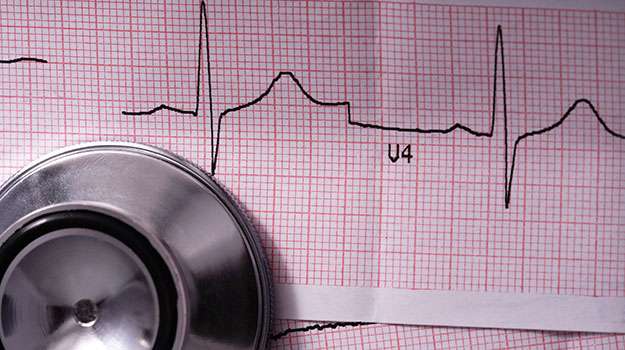
Percutaneous coronary intervention (PCI) is an effective method used to treat narrowed coronary arteries caused by plaque buildup. It enhances blood flow when lifestyle changes alone are insufficient.
- Key indicators include episodes of angina (chest pain) during physical activities or even at rest due to inadequate blood circulation.
- The diagnosis process starts with non-invasive tests followed by procedures like angiography confirming severity levels within arterial walls.
- Treatment incorporates techniques such as balloon angioplasty plus stenting which keeps arteries open long-term after successful dilation.
- Post-PCI management involves lifestyle adjustment recommendations alongside medical therapies ensuring better outcomes overall while reducing recurrence risks.
When successfully performed, PCI can greatly relieve symptoms allowing patients enhanced daily activity levels once again.
TRANSCATHETER AORTIC VALVE REPLACEMENT (TAVR)
TAVR is a revolutionary approach used primarily in older adults with severe aortic stenosis who are at high risk for traditional open-heart surgery. This technique replaces a narrow valve without requiring major surgical procedures.
- Signs that you might need this procedure include sudden fatigue, chest pain, or fainting spells during exertion due to restricted blood flow.
- An echocardiogram serves as an essential diagnostic tool, allowing physicians to evaluate valve function thoroughly.
- The TAVR process involves using catheter-based technology to insert a new valve via the femoral artery or other access points in the body, minimizing recovery time significantly compared to open surgery.
- Your recovery will be closely monitored with regular check-ups after treatment, focusing on ensuring optimal heart function returns swiftly and effectively.
This less invasive option offers hope for patients who previously had limited choices due to health risks associated with traditional surgery.
ATRIAL FIBRILLATION ABLATION
Atrial fibrillation (AFib) ablation is a specialized procedure designed to correct irregular heart rhythms originating in the atria. It aims to restore normal electrical activity within the heart.
- The condition can produce symptoms like palpitations, dizziness, and fatigue due to ineffective blood pumping.
- A precise diagnosis often requires electrocardiograms (ECGs) and Holter monitors that track heart rhythm over time.
- Treatment entails using catheters inserted through blood vessels to deliver energy therapy that disrupts abnormal signals causing AFib.
- Patients should expect close follow-up care for monitoring effectiveness and managing any potential symptoms post-procedure.
This intervention can lead to significant symptom relief and reduce stroke risk for many patients with AFib.
HEART VALVE REPAIR OR REPLACEMENT
Heart valve repair or replacement is crucial for patients suffering from severe valvular heart disease. This intervention corrects problems with the valves that regulate blood flow in and out of the heart chambers.
- Common symptoms include shortness of breath, fatigue, and irregular heartbeat.
- A thorough diagnosis may involve echocardiograms and other imaging tests to assess valve function and structure.
- Treatment options range from repairing existing valves through surgical techniques to complete valve replacement with mechanical or biological prosthetics.
- Post-surgery recovery involves monitoring for complications as well as rehabilitation programs aimed at improving heart health.
This vital surgery can greatly enhance life expectancy and quality for affected individuals.
CORONARY ANGIOPLASTY
Coronary angioplasty is a minimally invasive procedure that widens blocked or narrowed coronary arteries to restore proper blood flow to the heart muscle. This procedure is commonly performed on patients experiencing chest pain or those who have suffered a heart attack.
- Symptoms of coronary artery disease may include chest pain, shortness of breath, and fatigue.
- Diagnosis often involves an angiogram, where a contrast dye is injected into the bloodstream to visualize blockages using X-ray imaging.
- Treatment typically includes angioplasty, where a small balloon is inflated at the site of the blockage, sometimes accompanied by the placement of a stent to keep the artery open.
- Patients can expect improvements in their symptoms and an increased quality of life after successful treatment.
This procedure has significantly improved outcomes for many individuals with coronary artery disease.