
Dr Manish Arora
About Me
Dr Manish Arora
MD
Infectious disease specialists
Biography
My Clinic
OPD Hours
| Monday | Morning | 10:00 AM | - | 02:00 PM |
| Evening | 06:00 PM | - | 09:00 PM | |
| Tuesday | Morning | 10:00 AM | - | 02:00 PM |
| Evening | 06:00 PM | - | 09:00 PM | |
| Wednesday | Morning | 10:00 AM | - | 02:00 PM |
| Evening | 06:00 PM | - | 09:00 PM | |
| Thursday | Morning | 10:00 AM | - | 02:00 PM |
| Evening | 06:00 PM | - | 09:00 PM | |
| Friday | Morning | 10:00 AM | - | 02:00 PM |
| Evening | 06:00 PM | - | 09:00 PM | |
| Saturday | Morning | 10:00 AM | - | 02:00 PM |
| Evening | 06:00 PM | - | 09:00 PM | |
| Sunday | Morning | 10:00 AM | - | 02:00 PM |
| Evening | 06:00 PM | - | 09:00 PM |
Treatments
Specialised care and treatments offered
INFECTIOUS DISEASE CONSULTATION
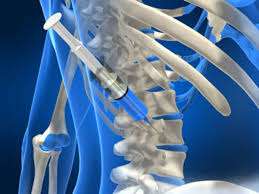
An infectious disease consultation involves an assessment from experts focusing on complex infections requiring specialized knowledge. This service aids in understanding underlying causes of persistent infections or unusual symptoms more deeply.
- Symptoms warranting consultation : Unexplained fevers , recurring skin lesions , prolonged coughing episodes among others .
- Comprehensive evaluation methods : Medical history along with thorough physical examination followed by laboratory tests including blood work can be anticipated .
- Treatment approaches guided by specialists : Care plans might encompass prescribing targeted antibiotics , antivirals , antifungals based on specific diagnoses made after assessments outlined earlier .
Engaging with specialists provides assurance through collaborative strategies designed specifically around individual needs improving overall health outcomes.
STOOL CULTURE FOR GASTROINTESTINAL INFECTIONS

A stool culture test helps identify pathogenic bacteria that cause gastrointestinal infections. This analysis provides insight into effective treatment plans tailored for specific infections.
- Causative agents: These may include bacteria like Salmonella or E.coli found in contaminated food or water sources.
- < Symptoms : Frequent diarrhea (possibly bloody), abdominal cramps , nausea , vomiting , and fever typically arise during an infection .
- Testing methods : A sample of stool is collected and cultured in a lab setting , allowing pathogens present to grow before further identification .
- Treatment plan : Options may involve hydration therapies alongside antibiotic treatments when appropriate .
Understanding these infections allows individuals to take informed steps towards recovery while minimizing risks of transmission.
SEPSIS IDENTIFICATION

Sepsis is a severe response to infection that can result in tissue damage or organ failure if not addressed promptly. It’s critical to recognize its signs early on for better outcomes.
- Signs of sepsis: Look out for symptoms such as fever, confusion, increased heart rate, or difficulty breathing.
- Disease progression: It often stems from infections in your lungs, urinary tract, abdomen or other areas needing urgent attention.
- Your healthcare provider will evaluate: This typically involves lab tests and imaging studies to pinpoint the source of infection swiftly.
If sepsis is suspected, immediate medical intervention can be life-saving. Stay vigilant about warning signs!
VIRAL HEPATITIS SCREENING

Viral hepatitis is an inflammation of the liver caused by different viruses. Recognizing the type of hepatitis is essential for effective treatment strategies.
- Causes: The main types include Hepatitis A, B, C, D, and E, each transmitted differently—some through contaminated food or water while others via blood exposure.
- Symptoms: Symptoms may vary from mild fatigue to severe liver complications like jaundice or abdominal pain.
- Diagnosis: Blood tests help determine which type of hepatitis is present and assess liver function.
- Treatment options: Treatments range from antiviral medications to supportive care depending on the type of hepatitis diagnosed.
Pursuing screening can lead to prompt treatment decisions that can protect liver health long-term.
TUBERCULOSIS (TB) EVALUATION

Tuberculosis is a contagious bacterial infection that primarily affects the lungs but can also impact other parts of the body. Early diagnosis is vital to prevent its spread.
- Symptoms: Common signs include persistent cough, unexplained weight loss, fever, and night sweats.
- Diagnosis: TB is confirmed through skin tests, blood tests, chest X-rays, or sputum tests.
- Treatment: A course of antibiotics over several months effectively treats TB; adherence is key to curing and preventing resistance.
- Lifestyle Impact: Know that most individuals recover fully with proper treatment, enabling them to resume normal activities.
A proactive approach ensures better health outcomes for those affected by tuberculosis.
HIV/AIDS TESTING AND MANAGEMENT

HIV/AIDS continues to be a significant public health issue, affecting millions globally. Early detection through testing is crucial for effective management and treatment.
- Symptoms: Many individuals may experience flu-like symptoms early on, but some remain asymptomatic for years.
- Diagnosis: Blood tests are utilized to detect the virus and assess the immune system's functionality.
- Treatment options: Antiretroviral therapy (ART) helps control the virus and improve quality of life.
- Monitoring: Regular follow-ups are essential for managing health outcomes and adjusting treatments as necessary.
Receiving timely care can lead to a manageable condition, allowing individuals to live healthy lives.