
Dr Manish Chomal,
About Me
Dr Manish Chomal,
MD
Oncologist
10 Years Experience
Biography
My Clinic
OPD Hours
| Monday | Morning | 10:00 AM | - | 02:00 PM |
| Evening | 06:00 PM | - | 09:00 PM | |
| Tuesday | Morning | 10:00 AM | - | 02:00 PM |
| Evening | 06:00 PM | - | 09:00 PM | |
| Wednesday | Morning | 10:00 AM | - | 02:00 PM |
| Evening | 06:00 PM | - | 09:00 PM | |
| Thursday | Morning | 10:00 AM | - | 02:00 PM |
| Evening | 06:00 PM | - | 09:00 PM | |
| Friday | Morning | 10:00 AM | - | 02:00 PM |
| Evening | 06:00 PM | - | 09:00 PM | |
| Saturday | Morning | 10:00 AM | - | 02:00 PM |
| Evening | 06:00 PM | - | 09:00 PM | |
| Sunday | Morning | 10:00 AM | - | 02:00 PM |
| Evening | 06:00 PM | - | 09:00 PM |
Treatments
Specialised care and treatments offered
SKIN CANCER
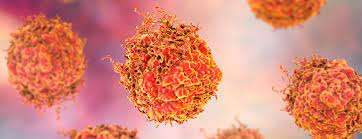
This malignancy manifests primarily through skin cell mutations often triggered by UV exposure. It comes primarily in three forms: basal cell carcinoma (BCC), squamous cell carcinoma (SCC), and melanoma — each differing in severity and risk profile based on early detection efforts taken by individuals engaged proactively with their health practices .
- Common indicators : Look out for new moles that change color/size , existing moles that start bleeding/itching along with sores that fail healing quickly .
- Screening methods employed : Dermatologists rely heavily upon visual examinations combined sometimes with biopsies if warranted .
- Therapeutic interventions available : Surgery remains prevalent amongst numerous strategies alongside photodynamic therapy focusing specifically targeting certain lesions whilst minimizing damage incurred .
- Aftercare tips offered post procedures involved
OVARIAN CANCER
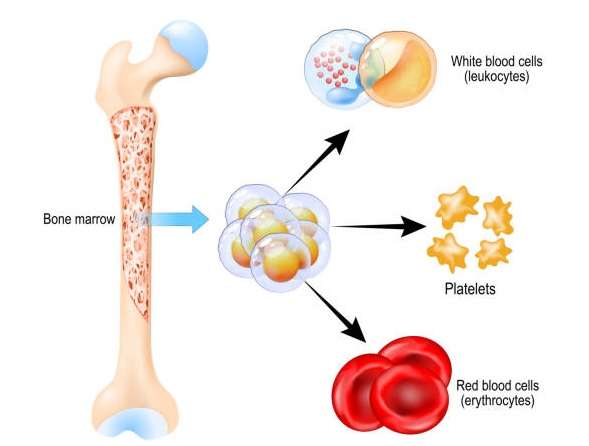
This cancer type originates within the ovaries. Although rare compared to other cancers affecting women, it is often diagnosed at an advanced stage due to subtle symptoms.
- Symptoms : Symptoms can be vague but include bloating, pelvic pain, frequent urination ,and changes in appetite or weight.
- Diagnosis : Doctors utilize pelvic exams along with ultrasound imaging or CA-125 blood tests when suspicious signs arise .
- Treatment plans : Treatments typically involve surgical intervention followed by chemotherapy based on staging .
- Recovery expectations : Many patients find recovery challenging ethically , thus exploring holistic therapies alongside conventional ones has proven beneficial .
Continued advocacy around awareness aids earlier diagnosis while concerted efforts improve existing treatment methodologies .
PROSTATE CANCER

Affecting men predominantly over 50 years old, prostate cancer originates in the prostate gland. It often grows slowly but can become aggressive if not detected early enough.
- Symptoms: Early stages might show no signs; later symptoms could include difficulty urinating and blood in urine or semen.
- Diagnostic measures: The prostate-specific antigen (PSA) test along with digital rectal exams (DRE) play significant roles in identification methods.
- Treatment options: Depending on severity and age factors, choices range from active surveillance to surgery or hormone therapy aimed at halting growth.
- Post-treatment care: Monitoring after treatment is critical as recurrence remains possible; support groups may also assist recovery processes emotionally.
As with many cancers, prompt action improves prognosis significantly; regular check-ups are essential for men over 50 years of age.
COLORECTAL CANCER
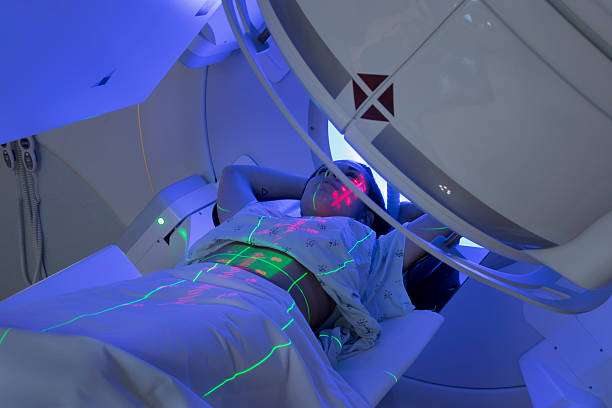
This type of cancer begins in the colon or rectum and is one of the leading causes of cancer-related deaths globally. Risk factors include age, diet high in processed foods, and family history.
- Symptoms: Symptoms can vary but often include changes in bowel habits, abdominal discomforts like cramping or bloating, unexplained weight loss, and blood in stools.
- Diagnosis: Colonoscopy remains a primary diagnostic method along with imaging tests such as CT scans or MRIs.
- Treatment strategies: Options may involve surgical removal of tumors followed by chemotherapy or radiation depending on staging.
- Expectations during recovery: Patients should prepare for potential lifestyle adjustments post-treatment aimed at mitigating recurrence risks.
An early diagnosis significantly enhances treatment success rates; therefore regular screenings are advisable for those at risk.
LUNG CANCER
Lung cancer arises from abnormal cell growth in lung tissues. It's primarily linked to smoking but can also occur in non-smokers due to various environmental factors.
- Symptoms: Persistent cough, chest pain, weight loss, fatigue, and coughing up blood are notable signs to watch out for.
- Diagnosis: Techniques like X-rays, CT scans, and tissue biopsies are essential for confirming lung cancer cases.
- Treatment approaches: Common treatments include surgery to remove tumors, chemotherapy to target cancer cells, and immunotherapy to enhance the immune response.
- Management expectations: Ongoing support through counseling and palliative care may be required during treatment phases.
A comprehensive approach helps address both physical health and emotional wellness throughout treatment.
BREAST CANCER
Breast cancer is a malignant tumor that develops from the cells of the breast. It is one of the most common cancers affecting women, and understanding its characteristics is crucial for effective management.
- Symptoms: Common symptoms include lumps in the breast, changes in size or shape, and unusual discharge from the nipple.
- Diagnosis: Diagnosis often involves a combination of physical examinations, mammography, ultrasound, and biopsy.
- Treatment options: Treatment may include surgery, radiation therapy, chemotherapy, hormone therapy, or targeted therapy depending on the stage.
- What to expect: Patients can expect regular follow-ups and monitoring post-treatment to manage any potential recurrence and side effects.
Early detection greatly improves outcomes; hence awareness and routine screening are vital for all women.