
Dr Manish Chomal,
About Me
Dr Manish Chomal,
MD
Oncologist
10 Years Experience
Biography
My Clinic
OPD Hours
| Monday | Morning | 10:00 AM | - | 02:00 PM |
| Evening | 06:00 PM | - | 09:00 PM | |
| Tuesday | Morning | 10:00 AM | - | 02:00 PM |
| Evening | 06:00 PM | - | 09:00 PM | |
| Wednesday | Morning | 10:00 AM | - | 02:00 PM |
| Evening | 06:00 PM | - | 09:00 PM | |
| Thursday | Morning | 10:00 AM | - | 02:00 PM |
| Evening | 06:00 PM | - | 09:00 PM | |
| Friday | Morning | 10:00 AM | - | 02:00 PM |
| Evening | 06:00 PM | - | 09:00 PM | |
| Saturday | Morning | 10:00 AM | - | 02:00 PM |
| Evening | 06:00 PM | - | 09:00 PM | |
| Sunday | Morning | 10:00 AM | - | 02:00 PM |
| Evening | 06:00 PM | - | 09:00 PM |
Treatments
Specialised care and treatments offered
PET SCAN (POSITRON EMISSION TOMOGRAPHY)
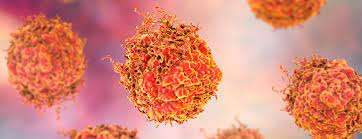
A PET scan is an advanced imaging technique that helps visualize metabolic activity within tissues. It plays a pivotal role in detecting cancer presence, staging the disease accurately, and monitoring response to therapy over time.Preparation: Patients receive an injection of radioactive tracer beforehand which accumulates preferentially in active tissues.< /il ?>Procedure: The scanner detects emissions from these tracers creating detailed three-dimensional images.< /il ?>Clinical benefits: PET assists in differentiating benign from malignant lesions aiding in treatment decisions.< /il ?>Follow-up value: Tracking changes during/after treatment shows effectiveness helping oncologists modify plans accordingly.< /il ?>
The precision offered by PET scans makes it indispensable in contemporary oncological diagnostics enabling better patient outcomes.
IMMUNOTHERAPY
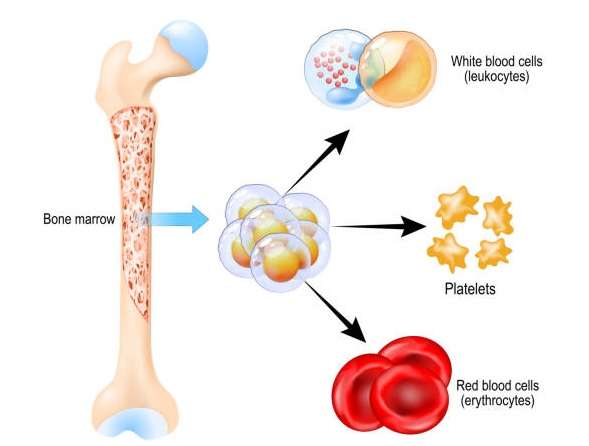
This cutting-edge treatment leverages the body’s own immune system to fight cancer by enhancing its ability to recognize and attack tumor cells. Immunotherapy has revolutionized outcomes for certain difficult-to-treat cancers recently.
- The immune boost: Therapies include checkpoint inhibitors that remove brakes on immune cells allowing them to target malignancies effectively.
- Indications: Used mainly in lung cancer, melanoma, lymphoma among others based on clinical trials results.
- Administration: Given intravenously at intervals determined by response and side effects profile.
- Side effects: Inflammation-related reactions like fatigue or skin issues; requires close medical supervision.
Immunotherapy represents a promising horizon offering durable remissions where conventional therapies sometimes fall short.
TARGETED THERAPY
An innovative form of cancer treatment that focuses on specific molecules involved in tumor growth. Targeted therapy aims at disrupting cancer progression with fewer side effects compared to conventional treatments.
- Cancer specificity: Drugs act against proteins or genes driving malignancy in particular tumor types.
- Molecular testing: Identification of biomarkers guides selection of appropriate targeted agents for individual patients.
- Treatment delivery: Usually oral medications or intravenous infusions administered under supervision.
- Tolerability: Generally better tolerated but may cause rash, diarrhea, or elevated liver enzymes needing monitoring.
This personalized approach marks substantial progress towards more effective and safer oncology therapies tailored to each patient’s disease biology.
RADIATION THERAPY
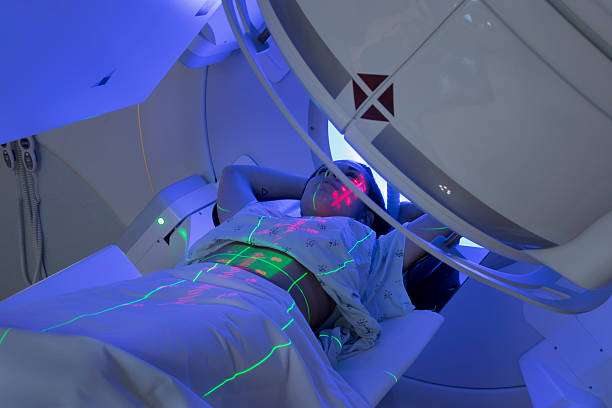
This therapeutic approach uses high-energy radiation beams to shrink tumors and destroy cancer cells. Radiation therapy can be curative or palliative depending on the individual case severity and goals of care.
- Mechanism: Radiation damages DNA within cancer cells, reducing their ability to multiply.
- Treatment planning: Customized imaging maps the tumor location for precise targeting while sparing healthy tissue.
- Schedules: Typically delivered over daily sessions spanning several weeks to maximize effectiveness and minimize side effects.
- Possible side effects: Skin irritation, fatigue, local discomfort, usually reversible after completion of therapy.
The use of advanced technologies enhances the safety profile of radiation therapy making it a key option in oncologic management strategies.
BIOPSY PROCEDURES
A biopsy is a critical diagnostic tool that involves removing tissue samples for examination to confirm cancer presence. Accurate diagnosis through biopsy is often the first step in formulating an effective cancer treatment plan.
- Purpose: To determine if a suspicious mass is malignant or benign.
- Types: Includes needle biopsy, surgical biopsy, and endoscopic biopsy depending on tumor location.
- Process: Tissue samples are analyzed microscopically by pathologists to identify cancer type and characteristics.
- Pain management: Local anesthesia minimizes discomfort during sample collection.
- Importance for treatment: Results guide subsequent therapies such as surgery, chemotherapy, or radiation.
A timely biopsy ensures precise diagnosis and opens pathways for targeted oncological care.
CHEMOTHERAPY
Cancer treatment often involves using powerful drugs to target and kill rapidly dividing cells. This approach is widely known as chemotherapy, an essential method used in oncology to control or eradicate malignant growths.
- What it treats: Chemotherapy targets a variety of cancers by interfering with cell division.
- Diagnosis considerations: Determining cancer type and stage guides the choice of chemotherapy agents.
- Treatment process: Administered intravenously or orally over several cycles, under careful monitoring.
- Expected side effects: Patients may experience nausea, fatigue, hair loss, and increased infection risk due to lowered immunity.
- Follow-up: Regular evaluations assess response and adjust therapy as needed.
This treatment remains a cornerstone in managing many cancers, offering hope for remission and improved survival rates.