
Dr Manish Godha
About Me
Dr Manish Godha
MBBS
General Physician
10 Years Experience
Biography
My Clinic
OPD Hours
| Monday | Morning | 10:00 AM | - | 02:00 PM |
| Evening | 06:00 PM | - | 09:00 PM | |
| Tuesday | Morning | 10:00 AM | - | 02:00 PM |
| Evening | 06:00 PM | - | 09:00 PM | |
| Wednesday | Morning | 10:00 AM | - | 02:00 PM |
| Evening | 06:00 PM | - | 09:00 PM | |
| Thursday | Morning | 10:00 AM | - | 02:00 PM |
| Evening | 06:00 PM | - | 09:00 PM | |
| Friday | Morning | 10:00 AM | - | 02:00 PM |
| Evening | 06:00 PM | - | 09:00 PM | |
| Saturday | Morning | 10:00 AM | - | 02:00 PM |
| Evening | 06:00 PM | - | 09:00 PM | |
| Sunday | Morning | 10:00 AM | - | 02:00 PM |
| Evening | 06:00 PM | - | 09:00 PM |
Treatments
Specialised care and treatments offered
THYROID DISORDERS
An imbalance in thyroid hormone production results in thyroid disorders which significantly affects metabolism regulation within an individual’s body system. Recognizing signs early enhances preventative approaches towards maintaining healthy hormonal balance throughout the lifespan!
.- S ymptoms :> Signs might range from unexplained weight gain/loss changes accompanying fatigue levels that swing widely even within short spans — feel free discussing these observations openly here!. < ul style='list-style-type:square'>(< / span )< * ordered list – let’s see it all here..!* provided detail next okay?/span>/This could indicate hypo/hyper thyroidism depending on presentation—consultations assist tailoring additional investigations better suited case specifics harmoniously together!{ “bullets”: [“**Common Symptoms** - Noticeable physical changes stemming either slowing down metabolism/(hypo)/spike processes too quickly/(hyper) could influence energy amounts around everyday tasks accordingly.”,{“Causative Agents”}=While fluctuating hormonal statuses exist checking timelines assists keeping wellness pathways dynamically engaged within desired ranges ultimately correlates positively benefiting patients vstitional resilience f t e r extended durations maintain overseen consistently balanced outcomes advice received responsibly altogether every step way conflicts resolved encouragingly healing journey whole !— }}
GASTROESOPHAGEAL REFLUX DISEASE (GERD)

The gastroesophageal reflux disease (GERD) occurs when stomach acid frequently flows back into the esophagus. This backflow causes irritation that can lead to uncomfortable symptoms if untreated over time. Understanding GERD enables effective management strategies that minimize discomfort while improving overall digestive health
.- Symptoms: Key symptoms include persistent heartburn (a burning sensation ), regurgitation (acid coming up), chest pain caused by acid irritation , sore throat post meals .
- Causes: Factors contributing involve obesity , dietary choices involving spicy/high-fat foods , smoking habits & pregnancy among others .
- Diagnosis: Doctors often utilize endoscopies alongside imaging techniques such as X-rays after receiving symptomatic accounts from patients concerning suspected reflux occurrences .
- Treatment: Management strategies typically involve lifestyle changes focusing on meal portions versus frequency along prescriptions targeted toward lowering acidity effect — both medication plans deliver successful outcomes regarding symptom reduction !
- What To Expect : > Regular follow-ups ensure progress tracking ; many patients find relief from symptoms following adherence strictly towards defined protocols provided within therapeutic avenues discussed earlier!
ASTHMA
Asthma is a chronic respiratory condition characterized by airway inflammation leading to wheezing, shortness of breath, chest tightness, and coughing. Its understanding is vital for proper management.Effective long-term care can greatly enhance quality of life for asthma patients
.- Symptoms: Asthma symptoms vary among individuals but commonly include persistent coughs (especially at night), difficulty breathing during physical activity or exposure to allergens.
- Triggers: Common triggers include pollen, dust mites, smoke from tobacco products or fireplaces , cold air , respiratory infections ,and exercise .
- Diagnosis: Pulmonary function tests measure how well your lungs are working ; doctors may also use peak flow meters at home to monitor breathing capacity over time .
- Treatment: A comprehensive treatment plan might incorporate inhalers (both relief/apparatus protocols) alongside possible oral medications according individual requirements . You’ll also likely learn preventive techniques about avoiding known triggers .
- What To Expect : Living with asthma means staying vigilant about managing symptoms proactively so you can engage fully in everyday activities without restrictions .
With proper guidance from healthcare providers , patients can control their asthma effectively , leading healthier lives despite challenges involved .
HYPERLIPIDEMIA
Hyperlipidemia refers to elevated levels of lipids (fats) in the bloodstream and is a significant risk factor for cardiovascular diseases. Early identification plays a key role in maintaining heart health.
- Symptoms: Often asymptomatic; however, signs may develop if it leads to heart disease or pancreatitis over time.
- Causes: Factors include genetic conditions, poor diet high in saturated fats and sugars, lack of exercise, and certain medical conditions like diabetes or hypothyroidism.
- Diagnosis: Blood tests measuring lipid profiles provide insight into cholesterol levels (LDL and HDL) and triglycerides for an accurate assessment.
- Treatment: Lifestyle changes such as adopting a heart-healthy diet along with physical activity are primary strategies; statins or other medications may be prescribed when necessary.
- What to Expect: Consistent follow-up appointments will help track lipid levels and adjust treatments accordingly for better outcomes.
A proactive approach can significantly reduce the risk of heart-related complications associated with hyperlipidemia.
DIABETES MELLITUS

Diabetes mellitus is a chronic condition characterized by elevated blood glucose levels. It affects how the body uses insulin and requires diligent management to prevent complications.
- Symptoms: Common symptoms include increased thirst, frequent urination, extreme fatigue, and blurred vision.
- Causes: Type 1 diabetes is typically autoimmune in nature, while Type 2 is often associated with lifestyle factors such as obesity and inactivity.
- Diagnosis: Diabetes can be diagnosed through fasting blood sugar tests or glucose tolerance tests conducted during routine medical evaluations.
- Treatment: Treatment usually involves dietary modifications, physical activity recommendations, and possibly insulin therapy or oral medications based on the type of diabetes.
- What to Expect: Managing diabetes requires ongoing monitoring of blood sugar levels and adjustments in treatment plans as necessary for optimal control.
A comprehensive approach that includes education on lifestyle choices can significantly improve quality of life for those living with diabetes.
HYPERTENSION
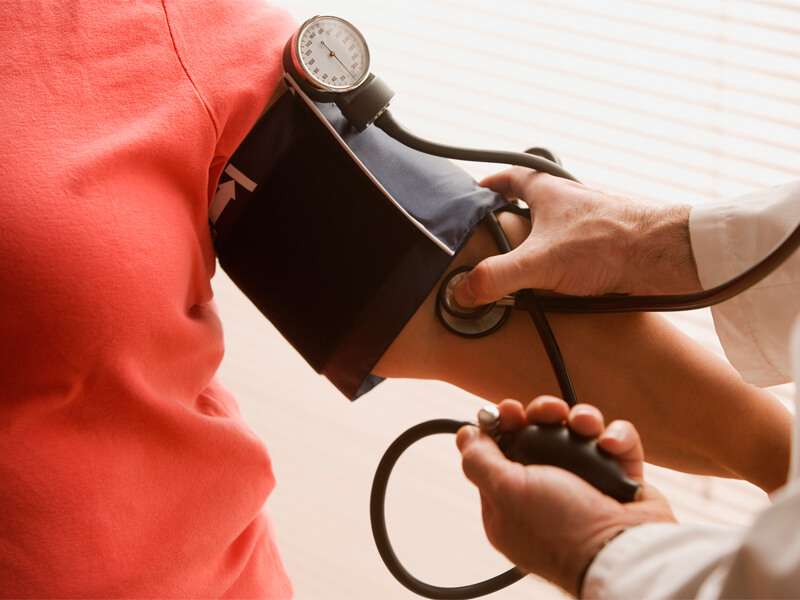
Hypertension, or high blood pressure, is a common condition that can lead to serious health issues if left unmanaged. It often goes unnoticed because it may not present any symptoms initially. Understanding hypertension is crucial for effective management.
- Symptoms: Many individuals with hypertension experience no symptoms; however, severe cases may cause headaches, shortness of breath, or nosebleeds.
- Causes: Factors contributing to hypertension include obesity, sedentary lifestyle, excessive salt intake, and chronic stress.
- Diagnosis: Blood pressure is measured using a sphygmomanometer during a routine check-up; multiple readings over time may be necessary to confirm a diagnosis.
- Treatment: Management options include lifestyle changes such as diet and exercise, along with medications like diuretics or ACE inhibitors prescribed by your healthcare provider.
- What to Expect: Regular monitoring and adherence to treatment plans are essential in controlling blood pressure and reducing the risk of complications.
With proactive management and regular check-ups, hypertension can be controlled effectively, leading to improved overall health.