
Dr Manish Homeopa
About Me
Dr Manish Homeopa
MBBS
Cardiologist
10 Years Experience
Biography
My Clinic
OPD Hours
| Monday | Morning | 10:00 AM | - | 02:00 PM |
| Evening | 06:00 PM | - | 09:00 PM | |
| Tuesday | Morning | 10:00 AM | - | 02:00 PM |
| Evening | 06:00 PM | - | 09:00 PM | |
| Wednesday | Morning | 10:00 AM | - | 02:00 PM |
| Evening | 06:00 PM | - | 09:00 PM | |
| Thursday | Morning | 10:00 AM | - | 02:00 PM |
| Evening | 06:00 PM | - | 09:00 PM | |
| Friday | Morning | 10:00 AM | - | 02:00 PM |
| Evening | 06:00 PM | - | 09:00 PM | |
| Saturday | Morning | 10:00 AM | - | 02:00 PM |
| Evening | 06:00 PM | - | 09:00 PM | |
| Sunday | Morning | 10:00 AM | - | 02:00 PM |
| Evening | 06:00 PM | - | 09:00 PM |
Treatments
Specialised care and treatments offered
PERIPHERAL ARTERY DISEASE (PAD) TREATMENT

This disorder affects circulation in limbs due to artery narrowing outside of the heart. Early recognition aids prevention of serious complications including limb loss.
- Symptoms & Causes :Intermittent claudication(pain during walking), cold extremities ;common risk factors include smoking ,diabetes,and high cholesterol .
- Diagnostic Tools :Ankle-brachial index(ABI) test ,ultrasound imaging help confirm diagnosis .
- Treatment Goals :Restore adequate blood flow through medication ,exercise programs,and sometimes surgical bypass or angioplasty .
- Patient Expectations :Regular monitoring plus adopting healthy habits reduce progression risk while improving mobility .
Addressing PAD promptly enhances quality of life by preventing ulcers,gangrene,and ensuring adequate tissue nourishment throughout affected areas .
HEART FAILURE SUPPORT
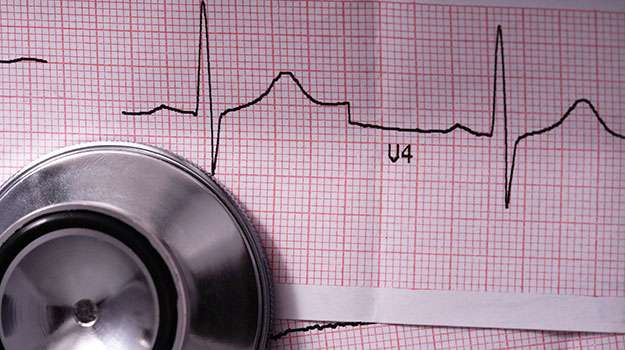
The heart's diminished ability to pump blood adequately is classified as heart failure. Educating about this condition empowers patients to recognize signs early for prompt intervention.
- Main Symptoms & Causes:Narrowed arteries, high blood pressure or previous heart attacks weaken the cardiac muscle leading to breathlessness, swelling limbs and fatigue;
- Evolving Diagnosis Techniques:Echocardiogram evaluates ventricular function while B-type natriuretic peptide (BNP) tests indicate severity;
CORONARY ARTERY DISEASE (CAD) MANAGEMENT
This condition involves narrowing of coronary arteries which reduces blood flow to the heart muscle. Recognizing CAD early is vital for preventing serious health crises like myocardial infarction.
- Symptoms and Causes: Chest pain (angina), shortness of breath, fatigue; primarily caused by atherosclerosis due to cholesterol buildup in arterial walls.
- Diagnosis: Diagnostic tools include stress testing, coronary angiography, CT scans, and lipid profiling to assess severity.
- Treatment Options: Approaches encompass lifestyle modification, pharmacotherapy with statins/antiplatelets as well as possible angioplasty or bypass surgery depending on blockage extent.
A multidisciplinary management strategy can significantly enhance survival rates while improving daily functioning among those affected by CAD.
ARRHYTHMIA EVALUATION AND CARE
An irregular heartbeat can cause discomfort and increase risk for more serious cardiac events. Understanding arrhythmias assists in effective diagnosis and treatment planning.
- Symptoms and Causes: Patients may experience palpitations, dizziness or fainting; causes range from electrolyte imbalances to underlying heart disease.
- Diagnosis: ECGs (electrocardiograms), Holter monitoring, or event recorders provide insight into abnormal rhythm patterns over time.
- Treatment Options: Treatment varies from lifestyle adjustments to medications like antiarrhythmics; some cases require procedures such as catheter ablation or pacemaker implantation.
- Coping Strategies: Avoiding stimulants such as caffeine and managing stress can reduce episodes.
Tackling arrhythmias promptly helps minimize symptoms while preventing complications including stroke or sudden cardiac arrest.
CONGENITAL HEART DEFECTS
Certain heart problems are present from birth and affect the structure or function of the heart. Awareness about these defects helps in timely treatment to ensure better outcomes.
- Symptoms and Causes: These defects range from mild to severe, causing symptoms like rapid breathing, fatigue, or cyanosis; often caused by genetic factors or developmental issues during pregnancy.
- Diagnosis: Echocardiography and other imaging tests allow detailed visualization of heart anatomy in infants and children.
- Treatment Options: Depending on severity, options include medication, catheter-based procedures, or corrective surgery.
- Management: Regular follow-ups are necessary for monitoring growth and function after treatment interventions.
An early diagnosis combined with specialized care greatly improves quality of life for individuals born with congenital heart conditions.
HYPERTENSION MANAGEMENT
High blood pressure is a common condition that can lead to serious health complications if not properly managed. Understanding its causes and how to control it is essential for maintaining heart health.
- Symptoms and Causes: Often called the "silent killer," hypertension may have no noticeable symptoms but can be influenced by genetics, diet, stress, and lifestyle.
- Diagnosis: It is diagnosed through regular blood pressure readings taken at rest during medical checkups.
- Treatment Options: Lifestyle changes such as diet and exercise are crucial; medications like ACE inhibitors or beta-blockers may be prescribed based on individual needs.
- Management: Continuous monitoring and adherence to treatment plans help prevent complications like stroke or heart attack.
- What to Expect: With proper care, blood pressure can be controlled effectively, allowing patients to lead normal lives.
Early intervention and sustained management play pivotal roles in controlling hypertension and reducing risks associated with cardiovascular diseases.