
Dr Manish Motwani
About Me
Dr Manish Motwani
General Surgeons
Biography
My Clinic
OPD Hours
| Tuesday | Morning | 10:00 AM | - | 02:00 PM |
| Evening | 06:00 PM | - | 09:00 PM | |
| Wednesday | Morning | 10:00 AM | - | 02:00 PM |
| Evening | 06:00 PM | - | 09:00 PM | |
| Thursday | Morning | 10:00 AM | - | 02:00 PM |
| Evening | 06:00 PM | - | 09:00 PM | |
| Friday | Morning | 10:00 AM | - | 02:00 PM |
| Evening | 06:00 PM | - | 09:00 PM | |
| Saturday | Morning | 10:00 AM | - | 02:00 PM |
| Evening | 06:00 PM | - | 09:00 PM | |
| Sunday | Morning | 10:00 AM | - | 02:00 PM |
| Evening | 06:00 PM | - | 09:00 PM | |
| Thursday | Morning | 10:00 AM | - | 02:00 PM |
| Evening | 06:00 PM | - | 09:00 PM |
Treatments
Specialised care and treatments offered
LAPAROSCOPIC SURGERY

Laparoscopic surgery is a minimally invasive technique employed across various surgical specialties including general surgery. With smaller incisions than traditional methods, this approach promotes shorter recovery times and less postoperative discomfort for patients undergoing various procedures。
- Commonly treated conditions span from gallbladder issues to hernias due to their responsiveness towards laparoscopic approaches
- Diagnosis necessitates appropriate preoperative assessments alongside imaging studies ensuring candidacy eligibility within laparoscopic protocols
- This innovative methodology reduces trauma compared with open procedures consequently enhancing patient satisfaction throughout their healing journey
- Typical expected outcomes encapsulate faster return-to-work durations promoting normalization into regular routines ahead
Overall embracing laparoscopic techniques facilitates progressive advancements within surgical practices ultimately benefiting many individuals seeking effective solutions
BOWEL RESECTION

Bowel resection involves surgically removing part of the intestine affected by disease, trauma, or cancer. This procedure is often necessary when conservative treatments have failed and helps restore gastrointestinal function effectively after removal of diseased sections.
- Symptoms prompting this surgery typically include chronic abdominal pain, bleeding, bowel obstruction, or weight loss linked to underlying diseases like Crohn’s disease or tumors.
- The diagnostic process may involve endoscopies along with imaging techniques such as X-rays or CT scans for thorough assessment of intestinal conditions
- Treatment post-resection includes dietary modifications alongside possible medications depending on underlying conditions affecting bowel health
- Coping strategies may be necessary initially but most patients achieve significant symptom relief over time
Raising awareness about bowel health facilitates early detection and treatment opportunities leading up towards successful bowel resection outcomes
APPENDECTOMY
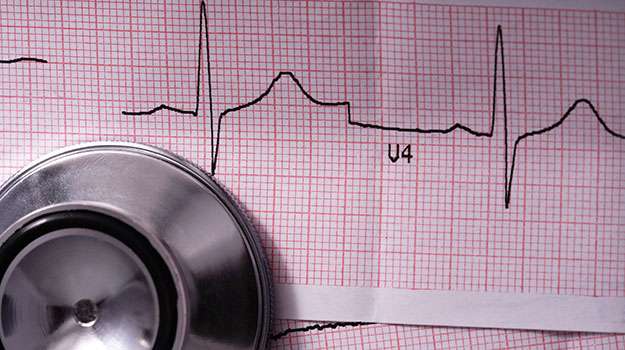
An appendectomy is a surgical procedure performed to remove an inflamed appendix. Appendicitis often presents with severe abdominal pain that requires prompt medical attention to prevent complications such as rupture.
- Main symptoms include acute pain near the navel that later shifts to the lower right abdomen along with fever and nausea.
- Immediate diagnosis typically relies on physical examinations combined with imaging studies such as CT scans or ultrasounds for accurate assessment of appendicitis severity.
- Surgical removal can be conducted via open surgery or laparoscopy; both methods aim at relieving pain quickly while minimizing recovery time.
- The prognosis after surgery is generally excellent with most patients returning to normal activities within weeks post-operation.
The urgency surrounding appendicitis makes understanding its signs critical for timely intervention and recovery success rates post-appendectomy are high.
COLONOSCOPY
A colonoscopy is a vital procedure used for examining the inner lining of the large intestine (colon). It helps detect abnormalities like polyps or signs of colorectal cancer early on, making it an essential screening tool for individuals at risk.
- Typical indications for this procedure include unexplained gastrointestinal symptoms like bleeding or chronic diarrhea.
- The process begins with bowel preparation using laxatives to clear out stool from the colon before examination.
- During a colonoscopy, doctors use a flexible tube with a camera to visually inspect and potentially remove suspicious growths for biopsy if needed.
- This procedure allows for immediate results and important follow-up care based on findings from biopsies performed during the exam.
An early diagnosis through colonoscopy can significantly improve treatment outcomes and enhance long-term health prospects.
GALLBLADDER REMOVAL (CHOLECYSTECTOMY)
The gallbladder is a small organ that helps digest fats by storing bile. Sometimes, it can develop issues like gallstones that result in pain and inflammation. In such cases, removal of the gallbladder may be necessary.
- Patients often experience sudden pain in the upper right abdomen, nausea, vomiting, or jaundice if stones block bile ducts.
- Diagnosis generally involves imaging techniques such as ultrasound or MRI to visualize gallstones and assess gallbladder function.
- Surgical options include laparoscopic cholecystectomy, which is minimally invasive and offers quicker recovery times.
- Post-surgery, patients usually adapt quickly to changes in digestion and can maintain a normal diet with some adjustments.
Understanding the importance of gallbladder health can lead to timely intervention and resolution of symptoms.
HERNIA REPAIR
A hernia occurs when an organ or tissue protrudes through a weak spot in the abdominal wall. This condition is quite common and can cause discomfort, especially during physical activities. It is essential to seek medical advice to avoid complications.
- Common symptoms include a visible bulge, pain or discomfort, especially when lifting, coughing, or bending.
- Diagnosis typically involves a physical examination and may include imaging tests like an ultrasound or CT scan to assess the extent of the hernia.
- Treatment options can range from watchful waiting to surgical procedures such as laparoscopy or open repair.
- A successfully treated hernia usually leads to significant relief from symptoms and improves the quality of life.
Addressing a hernia promptly is crucial for preventing complications such as incarceration or strangulation of the tissue.