
Dr Manish Munjal
About Me
Dr Manish Munjal
MD
Anesthesiologist
Biography
My Clinic
OPD Hours
| Monday | Morning | 10:00 AM | - | 02:00 PM |
| Evening | 06:00 PM | - | 09:00 PM | |
| Tuesday | Morning | 10:00 AM | - | 02:00 PM |
| Evening | 06:00 PM | - | 09:00 PM | |
| Wednesday | Morning | 10:00 AM | - | 02:00 PM |
| Evening | 06:00 PM | - | 09:00 PM | |
| Thursday | Morning | 10:00 AM | - | 02:00 PM |
| Evening | 06:00 PM | - | 09:00 PM | |
| Friday | Morning | 10:00 AM | - | 02:00 PM |
| Evening | 06:00 PM | - | 09:00 PM | |
| Saturday | Morning | 10:00 AM | - | 02:00 PM |
| Evening | 06:00 PM | - | 09:00 PM | |
| Sunday | Morning | 10:00 AM | - | 02:00 PM |
| Evening | 06:00 PM | - | 09:00 PM |
Treatments
Specialised care and treatments offered
PERIOPERATIVE MEDICINE
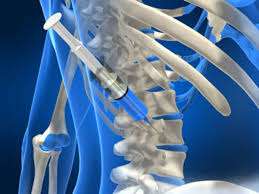
This specialty focuses on optimizing patient care before, during, and after surgical interventions. The goal is to minimize risks associated with surgery through comprehensive assessments aimed at tailoring anesthetic plans...
- Risk Evaluation : Detailed health evaluations provide insights into existing conditions impacting safety measures throughout operations.
- Multidisciplinary Approach : Collaboration between surgeons & anesthesiologists ensures cohesive strategies addressing diverse challenges across multiple specialties involved together efficiently managing complexities present within unique scenarios encountered daily…
- Recovery Assessment : Close contacts follow up routinely evaluating vital signs postoperatively guaranteeing smooth transitions from surgical theatres back home resulting in favorable outcomes enhancing overall well-being long term-mindedly! …
Emphasizing continuity alongside regular communications fosters trust enriching bonds further optimising experiences collectively achieved overall enhancing confidence simply enjoying journeys along paths emerged despite uncertainties ahead!
INTRAVENOUS (IV) SEDATION

This method involves administering sedative medications directly into the bloodstream via an IV line. IV sedation provides rapid onset of relaxation and comfort tailored specifically to individual patient needs during various medical procedures that may induce discomfort or anxiety.
- Advantages : IV sedation allows healthcare providers better control over depth of sedation compared with oral counterparts; adjustments can be made quickly if required during treatment sessions.
- Suitable Procedures : Frequently utilized in dentistry & outpatient procedures requiring limited awareness yet swift recovery times – perfect balance between calmness & awareness.
- Recovery : Monitoring occurs post-sedation until full consciousness returns; usually shorter durations than general anesthesia mean faster discharge after completion.
Overall experiences highly beneficial when appropriately titrated ratios align with specific scenarios at hand.
SEDATION TECHNIQUES

Sedation techniques vary significantly depending on the procedure's requirements and patient needs. These techniques aim to relieve anxiety while providing comfort during minor surgeries or diagnostic tests such as endoscopies or dental work.
- Anxiety Relief: Many patients experience anxiety about upcoming procedures; moderate sedation can help ease these feelings effectively without losing consciousness completely.
- The Role of Monitoring: Continuous monitoring assures that patients remain stable throughout any sedation process with adjustments made as necessary by medical professionals.
- Forms of Sedation: Options may include oral sedatives taken prior to arrival at healthcare facilities or intravenous delivery based on individual requirements and preferences.
A thorough discussion about sedation options helps ensure patient understanding and addresses concerns pre-procedure effectively.
REGIONAL ANESTHESIA

Regional anesthesia offers targeted pain relief by blocking sensation in a specific area of the body. It’s commonly employed for procedures involving limbs or lower body regions, providing effective analgesia while allowing patients to remain awake.
- Procedure Examples: This type can be used effectively for surgeries like knee replacements or hernia repairs where local anesthesia suffices without full sedation.
- Differentiation from General Anesthesia: Unlike general anesthesia, which affects consciousness entirely, regional blocks only numb the specified region while keeping the patient alert.
- Technique Used: Common methods include nerve blocks or spinal taps that deliver anesthetics directly to nerve bundles.
- Pain Management After Surgery: Patients may receive ongoing injections post-surgery for extended pain relief that aids in rehabilitation processes after major operations.
This modality allows patients to partake in their recovery journey more actively and comfortably.
GENERAL ANESTHESIA

This form of anesthesia is critical for performing complex surgeries while ensuring patients remain unconscious and free from pain. General anesthesia involves a carefully calculated combination of medications administered intravenously or through inhalation.
- Indications: It is typically used for major surgical procedures where complete unconsciousness is necessary, such as abdominal surgeries or orthopedic operations.
- Assessment: Preoperative assessments help determine suitability for general anesthesia based on health history, allergies, and current medications.
- Monitoring: During surgery, vital signs are closely monitored to ensure the patient's safety throughout the procedure while under anesthesia.
- Recovery Expectations: Post-anesthesia care usually includes observation in a recovery room as patients awaken from sedation, with careful attention to side effects like nausea or drowsiness.
Understanding this process plays a crucial role in alleviating patient concerns before undergoing surgery.
EPIDURAL ANALGESIA

Epidural analgesia is a common method used to manage pain, particularly during labor and surgery. This technique involves the administration of medication into the epidural space surrounding the spinal cord, providing targeted pain relief.
- Symptoms: Patients typically seek epidural analgesia to alleviate severe pain during childbirth or surgical procedures.
- Diagnosis: The decision for an epidural is often based on patient history and their individual pain management needs.
- Treatment Options: During this procedure, local anesthetics and sometimes opioids are injected into the epidural space, providing effective pain control with minimal side effects.
- Preparation and Procedure: Patients will be guided on how to position themselves during the procedure to ensure optimal placement of the catheter.
- Post-Procedure Care: After receiving an epidural, patients should expect monitoring for effectiveness and any potential side effects, ensuring a safe recovery.
This approach can greatly enhance comfort levels during medical interventions.