
Dr Manish Singha
About Me
Dr Manish Singha
MBBS
General Physician
10 Years Experience
Biography
My Clinic
OPD Hours
| Monday | Morning | 10:00 AM | - | 02:00 PM |
| Evening | 06:00 PM | - | 09:00 PM | |
| Tuesday | Morning | 10:00 AM | - | 02:00 PM |
| Evening | 06:00 PM | - | 09:00 PM | |
| Wednesday | Morning | 10:00 AM | - | 02:00 PM |
| Evening | 06:00 PM | - | 09:00 PM | |
| Thursday | Morning | 10:00 AM | - | 02:00 PM |
| Evening | 06:00 PM | - | 09:00 PM | |
| Friday | Morning | 10:00 AM | - | 02:00 PM |
| Evening | 06:00 PM | - | 09:00 PM | |
| Saturday | Morning | 10:00 AM | - | 02:00 PM |
| Evening | 06:00 PM | - | 09:00 PM | |
| Sunday | Morning | 10:00 AM | - | 02:00 PM |
| Evening | 06:00 PM | - | 09:00 PM |
Treatments
Specialised care and treatments offered
SEASONAL ALLERGIC RHINITIS CARE
This hypersensitivity reaction affects the nasal passages typically during pollen season causing uncomfortable symptoms that impact daily activities. Effective management minimizes disruption significantly.
- Underlying causes & typical symptoms: Exposure to airborne allergens triggers sneezing fits, runny nose, nasal congestion along with itchy eyes frequently seen in seasonal patterns.
- Diagnostic confirmation: Clinical history aligned with allergy testing via skin prick or specific IgE blood tests identifies offending allergens precisely.
- Treatment strategies: Antihistamines provide symptom relief; nasal corticosteroids reduce inflammation while avoidance tactics help prevent flare-ups.
- Prognosis considerations: Symptoms recur annually but consistent treatment adherence ensures manageable severity improving quality of life during allergen exposure periods.
Ongoing communication with healthcare providers guides personalized adjustments fostering optimal control over seasonal allergic rhinitis challenges.
ADULT OBESITY MANAGEMENT

The accumulation of excessive body fat poses significant health risks including diabetes and cardiovascular disease. Addressing obesity involves multidisciplinary strategies tailored individually for sustainable results.
- Causation insights & manifestations: Overeating calorie-dense foods combined with physical inactivity leads to progressive weight gain impacting energy balance negatively.
- Status evaluation tools:
CHILDHOOD VACCINATION GUIDANCE
Immunizations play a vital role in protecting children from infectious diseases by building immunity before exposure. Following vaccination schedules is essential for community health resilience.
- The importance of vaccines: They prevent illnesses such as measles, polio, diphtheria which can have serious health implications in childhood.
- Schedule planning: Age-specific doses are recommended starting from birth through adolescence based on national immunization programs.
- Disease prevention benefits: Vaccines reduce hospitalizations and protect vulnerable populations by achieving herd immunity.
- Pediatric considerations: Monitoring for side effects like mild fever post-vaccination helps ensure safety; severe reactions are rare but require prompt attention.
ACUTE RESPIRATORY INFECTION TREATMENT
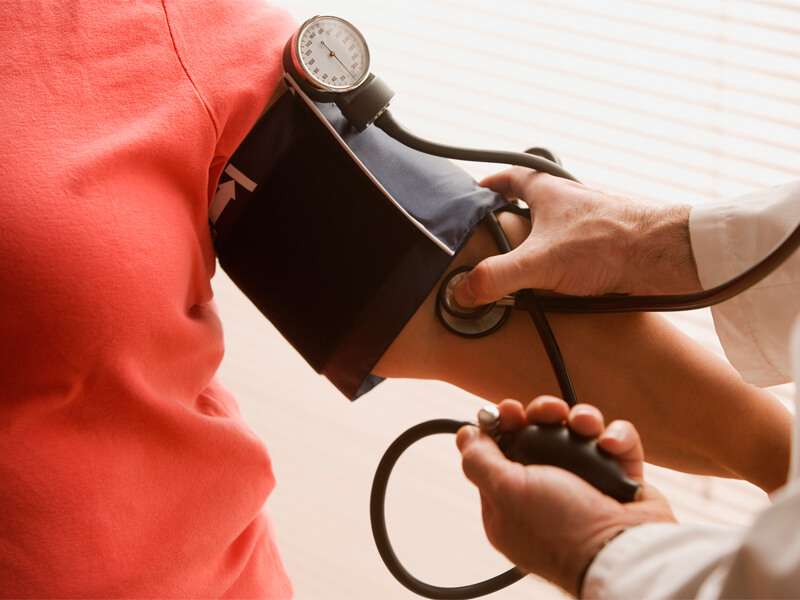
Infections affecting the respiratory tract are common across all ages and can range from mild colds to serious pneumonia. Timely intervention reduces discomfort and prevents progression.
- Causative factors and signs: Viruses or bacteria cause symptoms such as cough, sore throat, nasal congestion, sometimes fever.
- Diagnosis methods: Clinical examination supported by chest X-rays or sputum cultures in complicated cases aid assessment.
- Therapeutic measures: Symptomatic relief through rest, hydration, antipyretics; antibiotics reserved for confirmed bacterial infections.
- Recovery outlook: Most viral infections resolve within two weeks; vigilance advised for worsening symptoms requiring medical evaluation.
TYPE 2 DIABETES MELLITUS CARE
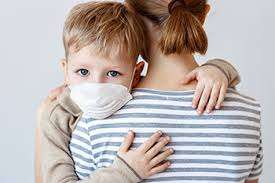
This chronic metabolic disorder causes elevated blood sugar levels due to insulin resistance or insufficient insulin production. It requires comprehensive management to avoid severe health issues.
- Key symptoms and contributors: Increased thirst, frequent urination, fatigue; influenced by obesity, sedentary lifestyle, and genetics.
- Diagnostic procedures: Blood tests such as fasting glucose and HbA1c levels confirm diagnosis and monitor control.
- Treatment approaches: Emphasis on dietary regulation, physical activity enhancement, oral hypoglycemic agents, or insulin therapy where needed.
- What to anticipate: Continuous education about glucose monitoring alongside routine doctor visits ensures effective disease control.
A proactive strategy combining medical treatment with lifestyle changes fosters prevention of complications like neuropathy or cardiovascular events.
HYPERTENSION MANAGEMENT
High blood pressure, or hypertension, is a common yet serious condition that affects the arteries' ability to circulate blood efficiently. Managing hypertension is crucial to prevent complications like heart disease and stroke.
- Symptoms and causes: Often called the “silent killer,” it usually shows no symptoms but can stem from genetics, lifestyle factors, or other medical conditions.
- Diagnosis: Regular blood pressure monitoring through sphygmomanometers or ambulatory devices helps confirm elevated readings over time.
- Treatment options: Lifestyle modifications including diet changes, exercise, and medications such as ACE inhibitors or diuretics are commonly prescribed.
- Management expectations: Consistent follow-ups are necessary to adjust treatment plans and avoid hypertensive emergencies.
Taking early action and adhering to treatment protocols significantly improves quality of life while reducing risks associated with long-term hypertension.