
Dr Manish Singhal (Cancer Doctor in Noida, Delhi NCR and India)
About Me
Dr Manish Singhal (Cancer Doctor in Noida, Delhi NCR and India)
DM
Oncologist
10 Years Experience
Biography
My Clinic
OPD Hours
| Monday | Morning | 10:00 AM | - | 02:00 PM |
| Evening | 06:00 PM | - | 09:00 PM | |
| Tuesday | Morning | 10:00 AM | - | 02:00 PM |
| Evening | 06:00 PM | - | 09:00 PM | |
| Wednesday | Morning | 10:00 AM | - | 02:00 PM |
| Evening | 06:00 PM | - | 09:00 PM | |
| Thursday | Morning | 10:00 AM | - | 02:00 PM |
| Evening | 06:00 PM | - | 09:00 PM | |
| Friday | Morning | 10:00 AM | - | 02:00 PM |
| Evening | 06:00 PM | - | 09:00 PM | |
| Saturday | Morning | 10:00 AM | - | 02:00 PM |
| Evening | 06:00 PM | - | 09:00 PM | |
| Sunday | Morning | 10:00 AM | - | 02:00 PM |
| Evening | 06:00 PM | - | 09:00 PM |
Treatments
Specialised care and treatments offered
HODGKIN LYMPHOMA
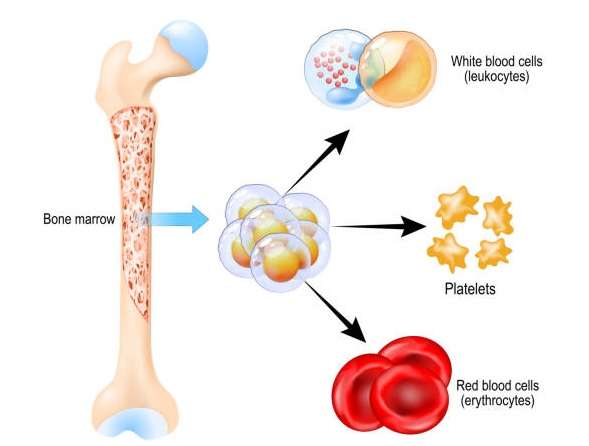
This is a type of blood cancer that originates from white blood cells known as lymphocytes. Hodgkin lymphoma typically presents more frequently among younger adults but can occur at any age. Awareness aids early identification which greatly impacts management outcomes positively.
- The symptoms usually involve swollen lymph nodes (especially neck), fever without infection presence, night sweats, and significant weight loss over an extended period without effort.
- An accurate diagnosis is achieved through lymph node biopsy coupled with imaging studies like PET scans to assess spread within the body accurately;The standard treatment options include chemotherapy combined with radiation therapy tailored according to specific disease features outlined during the staging process provided by oncologists' expertise in hematological malignancies. /((([optimally cooperative decision-making between patient/doctor enhances treatment success rates while reducing potential side effects./?)) ). comprehensively characterises available choices underlined upon articulated expectations shared by patients ; thus establishing trustful partnerships fosters healing environments conducive towards recovery nurturance/./?
COLORECTAL CANCER

This malignancy arises from the colon or rectum lining and poses significant health risks if not detected early. Commonly associated with dietary habits and genetics, understanding this disease can aid better preventive measures among high-risk individuals.
- Main symptoms comprise changes in bowel habits, unexplained weight loss, fatigue, and abdominal discomfort.
- Diagnosis often utilizes colonoscopy along with imaging studies; biopsies confirm it through histological examination of tissues collected during assessment procedures.
- Treatment involves surgical intervention complemented by chemotherapy or radiation based on staging results. Targeted therapies are becoming more prevalent too as research advances our understanding of genetic markers related to colorectal cancers.
A proactive approach such as regular screenings can significantly reduce mortality associated with this condition.
PROSTATE CANCER
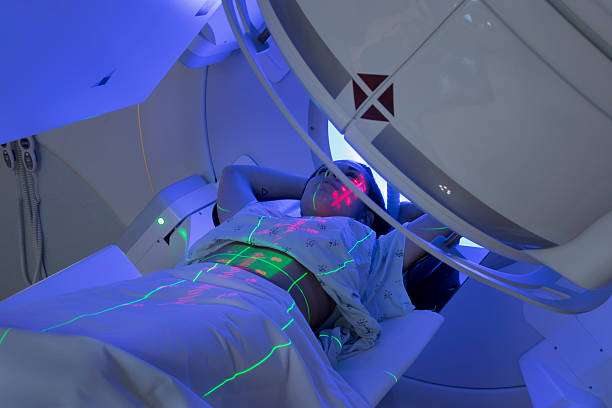
This type of cancer develops in the prostate gland due to abnormal cell growth. It mainly affects older men; however, understanding its risk factors can aid in prevention strategies. Regular screening is recommended for those at higher risk.
- Symptoms often include difficulties with urination, blood in urine or semen, and pelvic discomfort.
- Prostate-specific antigen (PSA) tests along with digital rectal exams are common diagnostic measures used to detect abnormalities in prostate health.
- Treatment options include active surveillance for low-risk cases, surgery for localized tumors, alongside radiation therapy or hormone therapy as needed.
- A healthcare team may provide additional support services to assist with lifestyle changes during treatment.
Staying informed about prostate health is vital for prompt action against potential issues.
LUNG CANCER
Lung cancer typically occurs when abnormal cells grow uncontrollably in lung tissues. It’s predominantly caused by smoking but can also affect non-smokers due to environmental factors. Awareness of risk factors and symptoms can lead to early diagnosis.
- Common symptoms include persistent cough, chest pain, shortness of breath, and frequent respiratory infections.
- The diagnostic process often includes imaging tests such as CT scans along with sputum cytology or tissue biopsy.
- Treatment modalities might consist of surgery, chemotherapy, radiotherapy, or immunotherapy based on the type and stage of cancer.
- Managing lung cancer involves not only addressing medical needs but also supportive care for emotional well-being.
An early diagnosis greatly increases chances for effective treatment and improved survival rates.
BREAST CANCER
Breast cancer is a complex disease that arises from the uncontrolled growth of breast cells. It can affect both men and women, although it is significantly more common in women. Early detection and treatment are crucial for improving outcomes.
- Symptoms may include lumps in the breast, changes in breast shape or size, and unusual discharge from the nipple.
- Diagnosis typically involves a combination of physical examinations, mammograms, and biopsies to confirm the presence of cancerous cells.
- Treatment options vary and may include surgery, chemotherapy, radiation therapy, or targeted therapies depending on the stage of cancer.
- A multidisciplinary approach is often employed to provide comprehensive care tailored to each patient’s unique condition.
- Post-treatment follow-up is essential for monitoring recovery and detecting any potential recurrence.
Understanding breast cancer can empower patients to make informed decisions about their health journey.