
Dr Manisha Beniw
About Me
Dr Manisha Beniw
MBBS
General Physician
Biography
My Clinic
OPD Hours
| Monday | Morning | 10:00 AM | - | 02:00 PM |
| Evening | 06:00 PM | - | 09:00 PM | |
| Tuesday | Morning | 10:00 AM | - | 02:00 PM |
| Evening | 06:00 PM | - | 09:00 PM | |
| Wednesday | Morning | 10:00 AM | - | 02:00 PM |
| Evening | 06:00 PM | - | 09:00 PM | |
| Thursday | Morning | 10:00 AM | - | 02:00 PM |
| Evening | 06:00 PM | - | 09:00 PM | |
| Friday | Morning | 10:00 AM | - | 02:00 PM |
| Evening | 06:00 PM | - | 09:00 PM | |
| Saturday | Morning | 10:00 AM | - | 02:00 PM |
| Evening | 06:00 PM | - | 09:00 PM | |
| Sunday | Morning | 10:00 AM | - | 02:00 PM |
| Evening | 06:00 PM | - | 09:00 PM |
Treatments
Specialised care and treatments offered
DIGESTIVE HEALTH ASSESSMENT
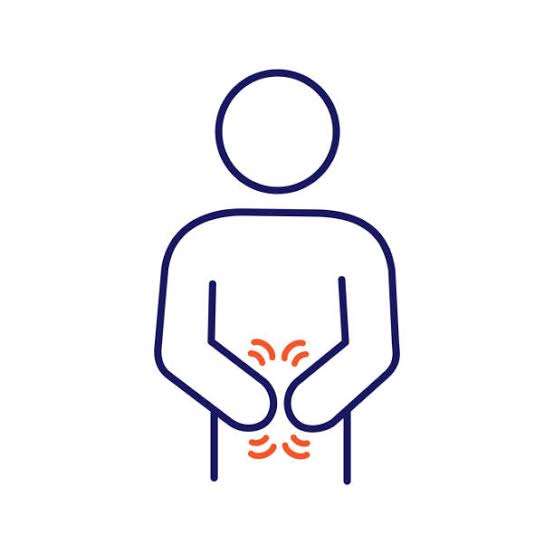
The digestive system plays a crucial role in overall health by processing food into energy and nutrients while eliminating waste products. Maintaining digestive health should be prioritized through routine assessments that evaluate gastrointestinal functioning effectively.
- Common Digestive Disorders: Symptoms may include abdominal pain, bloating, irregular bowel habits affecting quality of life negatively.
- Diagnostic Methods: Based on presenting symptoms; physicians might recommend endoscopy procedures or imaging tests like ultrasounds to investigate underlying conditions accurately.
- Management Strategies: Diet modifications focusing on fiber intake alongside hydration promote healthier digestion patterns while medications relieve discomfort caused due indigestion episodes if necessary last resort options exist too.
A proactive stance towards assessing digestive wellness enhances comfort levels allowing patients improved vitality experiencing daily life fully enriched choices optimally facilitated post evaluations undertaken collectively partners involved toward achieving optimal healthcare outcomes journey.
VACCINATION CONSULTATION

Vaccinations are an integral part of preventive healthcare that protects individuals from various infectious diseases. Staying up-to-date with vaccinations helps prevent outbreaks within communities while safeguarding public health overall.
- Importance Of Vaccines: Vaccines train your immune system to recognize pathogens without causing illness; this prepares your body for future infections.
- Types Of Vaccines: Routine vaccines such as flu shots or hepatitis vaccines must be administered throughout life stages according to guidelines set by health organizations.
- Consultation Approach: A thorough medical history assessment determines which vaccines are appropriate based on age demographics and existing medical conditions.
- What To Expect: Post-vaccination side effects like mild fever or soreness at injection sites are typical reactions indicating vaccine effectiveness.
Staying informed about immunizations contributes positively towards community wellness objectives while ensuring personal safety against preventable diseases.
ANEMIA DIAGNOSIS
Anemia occurs when you lack enough healthy red blood cells to carry adequate oxygen to your body's tissues. This condition can result from various factors including nutritional deficiencies or chronic diseases. Recognizing anemia early through diagnosis is essential for effective management.
- Symptoms: Common symptoms include fatigue, weakness, pale skin, dizziness, or shortness of breath during activities.
- Diagnosis: Blood tests measuring hemoglobin levels help confirm anemia's presence along with checking iron levels if deficiency is suspected.
- Treatment Options: Treatment typically involves dietary adjustments or supplements for iron or vitamins like B12 depending on the underlying cause of the anemia.
- What to Expect: Addressing the root cause improves energy levels and overall well-being significantly over time with appropriate care strategies in place.
Timely diagnosis ensures that you receive suitable treatment before anemia escalates into more serious conditions.
CHOLESTEROL LEVEL MONITORING
High cholesterol is a significant risk factor for cardiovascular diseases. Monitoring your cholesterol levels is important for maintaining heart health and preventing problems before they arise. A lipid panel assesses the different types of cholesterol in your body.
- Symptoms: Usually no specific symptoms are evident; however, high cholesterol can lead to arterial plaque build-up over time, increasing heart attack risk.
- Diagnosis: A simple blood test measures total cholesterol levels along with LDL (bad) and HDL (good) cholesterol categories.
- Treatment Options: If levels are elevated, dietary changes focusing on reducing saturated fats and increasing fiber intake are recommended. Medications may also be prescribed depending on individual risk factors.
- What to Expect: Regular testing allows for effective monitoring of cholesterol levels and timely adjustments in treatment strategies if necessary.
A proactive approach in managing cholesterol can significantly enhance overall cardiovascular health.
DIABETES SCREENING

Diabetes is a chronic health condition affecting how your body turns food into energy. Early detection through screening is vital in managing the disease effectively. This screening helps identify individuals at risk or those who already have diabetes but are unaware.
- Symptoms: Common signs include increased thirst, frequent urination, extreme fatigue, and blurred vision.
- Diagnosis: Blood tests like fasting glucose test or A1C test help determine blood sugar levels and diagnose diabetes.
- Treatment Options: If diagnosed early, lifestyle interventions such as diet changes and physical activity can manage diabetes effectively. Medications may also be introduced when necessary.
- What to Expect: Regular monitoring of blood sugar levels will guide treatment adjustments to keep diabetes under control.
Screening not only aids in early intervention but also reduces the risk of complications associated with diabetes.
HYPERTENSION MANAGEMENT
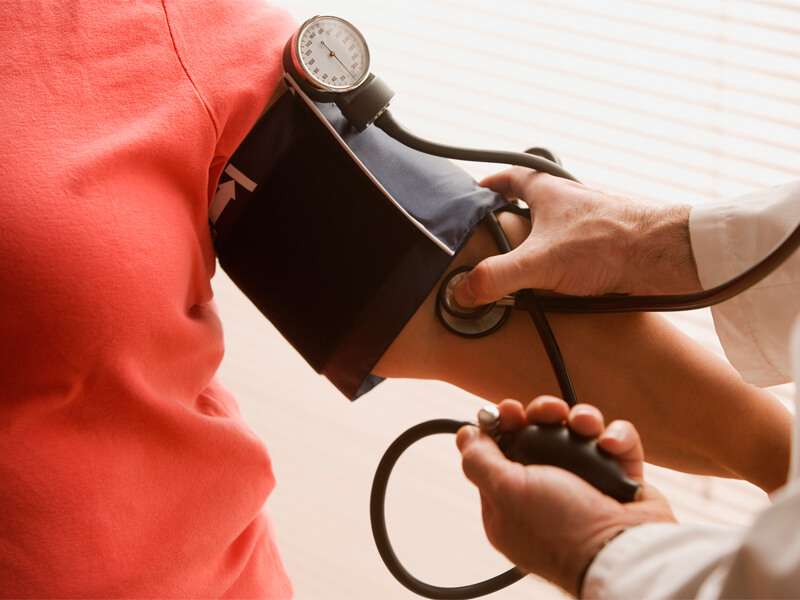
Hypertension, or high blood pressure, is a common condition that can lead to serious health issues if left untreated. It is often called the 'silent killer' because it usually presents with no symptoms. Regular monitoring and management of blood pressure is crucial to prevent complications such as heart disease and stroke.
- Symptoms: Many people experience no symptoms; however, some may have headaches, shortness of breath, or nosebleeds.
- Diagnosis: Blood pressure readings taken during medical check-ups can indicate hypertension. Multiple readings might be required to confirm the diagnosis.
- Treatment Options: Lifestyle modifications such as a balanced diet, regular exercise, and maintaining a healthy weight can significantly lower blood pressure. Medications may also be prescribed as needed.
- What to Expect: With proper management, most patients can maintain normal blood pressure levels and reduce their risks for related health issues.
Regular follow-ups are essential for adjusting treatment plans based on progress.