
Dr Manisha Goyal
About Me
Dr Manisha Goyal
MD
Anesthesiologist
10 Years Experience
Biography
My Clinic
OPD Hours
| Monday | Morning | 10:00 AM | - | 02:00 PM |
| Evening | 06:00 PM | - | 09:00 PM | |
| Tuesday | Morning | 10:00 AM | - | 02:00 PM |
| Evening | 06:00 PM | - | 09:00 PM | |
| Wednesday | Morning | 10:00 AM | - | 02:00 PM |
| Evening | 06:00 PM | - | 09:00 PM | |
| Thursday | Morning | 10:00 AM | - | 02:00 PM |
| Evening | 06:00 PM | - | 09:00 PM | |
| Friday | Morning | 10:00 AM | - | 02:00 PM |
| Evening | 06:00 PM | - | 09:00 PM | |
| Saturday | Morning | 10:00 AM | - | 02:00 PM |
| Evening | 06:00 PM | - | 09:00 PM | |
| Sunday | Morning | 10:00 AM | - | 02:00 PM |
| Evening | 06:00 PM | - | 09:00 PM |
Treatments
Specialised care and treatments offered
OBSTETRIC ANESTHESIA
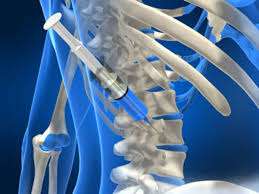
This specialized field provides effective pain management options during labor and delivery processes, enhancing maternal comfort while ensuring fetal wellbeing. Tailored approaches help facilitate smoother birthing experiences for mothers-to-be across varying labor stages
- Obstetric anesthesia often indicates utilization during childbirth journeys involving epidurals/spinal blockades easing contractions enabling women choosing natural childbirth methods comfortably without excess distress
- Comprehensive evaluations help assess risks related primarily focusing on maternal health status & preferences guiding decision-making effectively as part stronger communication protocols implemented between parties involved throughout care settings
- Medications administered typically include local anesthetics combined within formulations tailored together maximizing effectiveness through timely interactions alongside supportive practices enhancing overall ease-tension balance mitigating discomfort effectively against pressures exerted naturally upon bodies involved whilst delivering babies!
Focus remains centered around creating supportive atmospheres balancing optimal health outcomes achieving best possible experiences surrounding childbirth journeys undertaken together collaboratively nurturing them toward safe arrivals welcomed thereafter!
PEDIATRIC ANESTHESIA

Pediatric anesthesia focuses on safely administering anesthesia to infants and children requiring various medical interventions. Due to their unique physiological characteristics, special care is essential in handling young patients undergoing surgery procedures.
- Pediatric patients might require this form of anesthesia for a range of surgical treatments from tonsillectomies to orthopedic surgeries tailored specifically towards children’s needs.
- Anesthesiologists conduct thorough assessments concerning any previous adverse reactions experienced with sedatives/medications before planning care strategies tailored individually per patient requirement.
- The administration involves using age-appropriate dosages delivered via inhalational drugs combined with intravenous lines when necessary ensuring minimal discomfort throughout their journey into deeper sleep states.
Pediatric anesthesiology aims not only at successful surgical outcomes but also ensures that every child feels safe and informed about their experience as much as capable development allows!
NERVE BLOCKS

Nerve blocks involve injecting anesthetic directly near nerves to prevent sensation in specific areas of the body. This technique is particularly useful for targeted pain management during surgical interventions or chronic pain alleviation.
- Surgical candidates may suffer from localized pain conditions that warrant nerve blocks for optimal relief during shoulder repairs or knee surgeries.
- A detailed assessment helps determine which nerves need targeting based on individual anatomical considerations and specific pain complaints.
- Anesthetists use ultrasound guidance to enhance accuracy in delivering medication precisely where needed, ensuring effective pain control during procedures.
- The recovery phase may involve some mild side effects like temporary weakness in adjacent muscles but usually resolves quickly as sensation returns gradually.
Nerve blocks are sophisticated tools aimed at improving patient comfort during surgery while enhancing postoperative outcomes through effective analgesia strategies.
SEDATION

Sedation provides patients with a calming effect during minor procedures or exams without full unconsciousness. It’s ideal for those needing assistance with anxiety management while remaining responsive yet relaxed.
- This treatment can be useful for individuals uncomfortable with dental work or diagnostic imaging procedures like MRI scans.
- A comprehensive evaluation helps determine appropriate sedation levels based on individual medical histories and concerns before the procedure begins.
- Dosing varies according to the patient's needs, often administered via IV route or orally prior to starting the procedure.
- Post-sedation monitoring ensures patient safety until they fully regain alertness; common side effects include drowsiness or slight disorientation afterward.
The primary aim is to make medical procedures more tolerable while minimizing discomfort and anxiety for patients requiring sedation services.
REGIONAL ANESTHESIA

Regional anesthesia blocks sensation in specific areas of the body, providing effective pain control during and after certain surgeries. This approach is frequently used for procedures involving limbs or lower body regions.
- This type may be indicated when patients undergo surgeries such as knee replacements or cesarean deliveries where targeted pain relief is beneficial.
- The diagnosis process typically involves a thorough evaluation and discussion about potential risks and benefits with the patient.
- Management options include spinal blocks or epidural injections, administered by an experienced anesthesiologist to achieve optimal results.
- Patients can expect enhanced comfort post-surgery as regional techniques often lead to fewer systemic side effects compared to general anesthesia.
By utilizing regional anesthesia, healthcare providers aim to promote faster recovery times and improve overall patient satisfaction with their surgical experience.
GENERAL ANESTHESIA

General anesthesia is a medically induced state of unconsciousness that facilitates surgical procedures by eliminating pain perception and muscle reflexes. This technique ensures patients are entirely unaware of the surgery, leading to a smoother experience.
- Symptoms of needing general anesthesia often arise when undergoing major surgery, such as orthopedic or abdominal operations.
- Diagnosis involves evaluating the patient's medical history, current medications, and conducting a preoperative assessment.
- Treatment usually includes the administration of anesthetic agents through inhalation or intravenous routes.
- Postoperative care is crucial for monitoring recovery, managing side effects like nausea or confusion, and ensuring safe awakening from anesthesia.
The goal of general anesthesia is to provide a painless and comfortable surgical experience while prioritizing patient safety throughout the process.