
Dr Manju Agrawal
About Me
Dr Manju Agrawal
MD
Internal Medicine
Biography
My Clinic
OPD Hours
| Monday | Morning | 10:00 AM | - | 02:00 PM |
| Evening | 06:00 PM | - | 09:00 PM | |
| Tuesday | Morning | 10:00 AM | - | 02:00 PM |
| Evening | 06:00 PM | - | 09:00 PM | |
| Wednesday | Morning | 10:00 AM | - | 02:00 PM |
| Evening | 06:00 PM | - | 09:00 PM | |
| Thursday | Morning | 10:00 AM | - | 02:00 PM |
| Evening | 06:00 PM | - | 09:00 PM | |
| Friday | Morning | 10:00 AM | - | 02:00 PM |
| Evening | 06:00 PM | - | 09:00 PM | |
| Saturday | Morning | 10:00 AM | - | 02:00 PM |
| Evening | 06:00 PM | - | 09:00 PM | |
| Sunday | Morning | 10:00 AM | - | 02:00 PM |
| Evening | 06:00 PM | - | 09:00 PM |
Treatments
Specialised care and treatments offered
OBESITY PREVENTION & MANAGEMENT
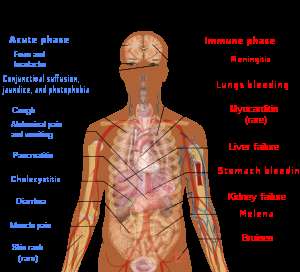
The growing prevalence of obesity poses significant health risks. Addressing this issue involves understanding the factors contributing to weight gain while implementing tailored prevention strategies accordingly!
- Main Symptoms:A BMI classified above 30 indicates obesity leading excess physical strain upon bodily systems increasing morbidity patterns< l I
GASTROESOPHAGEAL REFLUX DISEASE (GERD)
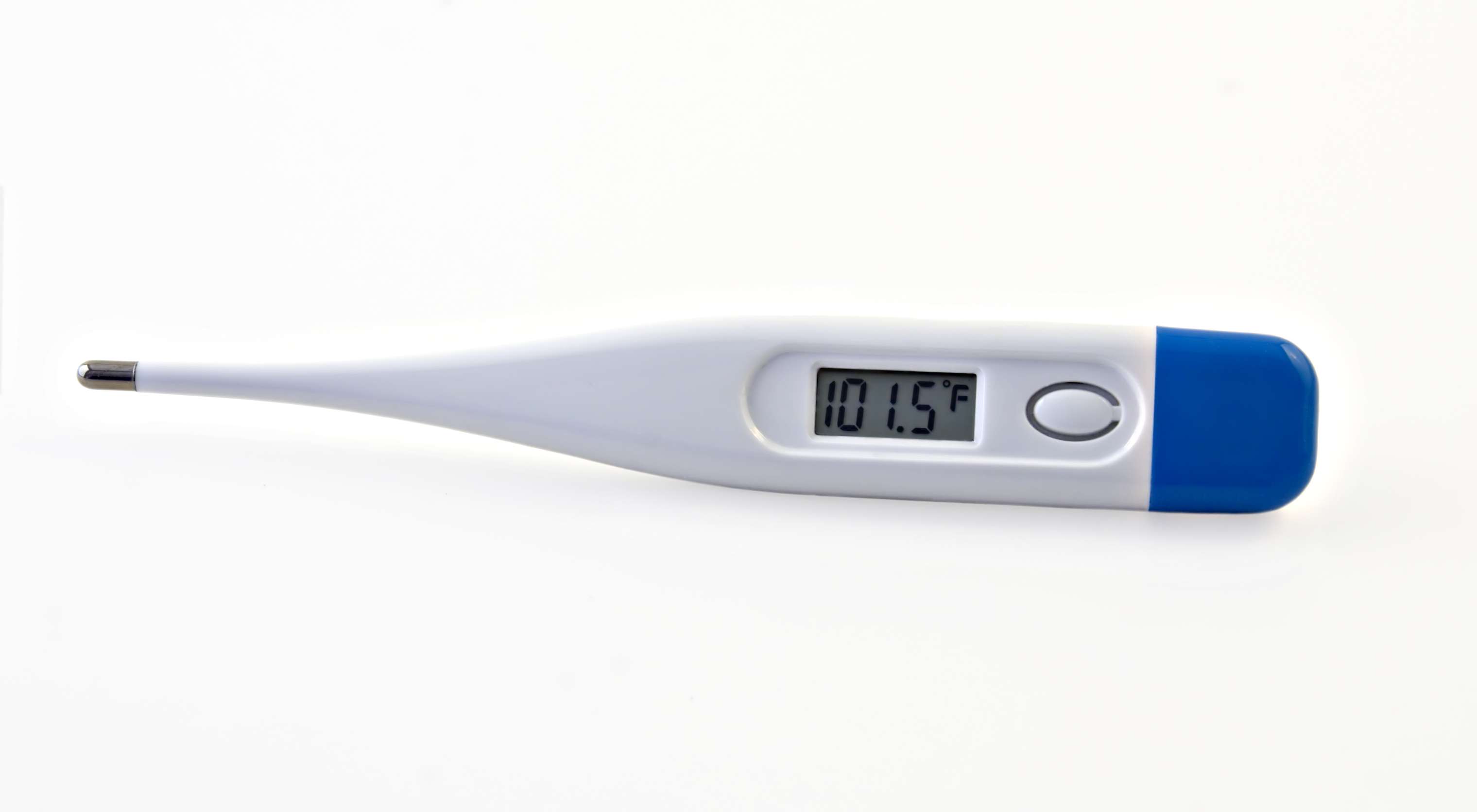
This chronic digestive condition occurs when stomach acid repeatedly flows back into the esophagus. Understanding GERD helps patients take control of their symptoms through effective management strategies!
- Main Symptoms:Individuals suffering from GERD often report experiencing acid reflux , heartburn or dysphagia
- Causes :Factors influencing GERD include obesity , pregnancy or even certain food types causing relaxation effect on lower esophageal sphincter .
- Diagnosis :Endoscopy procedure confirms extent mucosal damage along flame rectified pH values within esophagus often among other clinical evaluations
- Treatment -Management Options: Lifestyle modifications involving weight loss programs summarizing trigger foods along pharmacologic therapies aim alleviating debilitating reflux episodes potentially hindering daily activities .
- Your Expectations: By sticking closely to recommended changes both medically insightfully nutritional perspectives better outcomes warrant relief lifting quality psychological aspects too reducing flare-ups !
ASTHMA MANAGEMENT
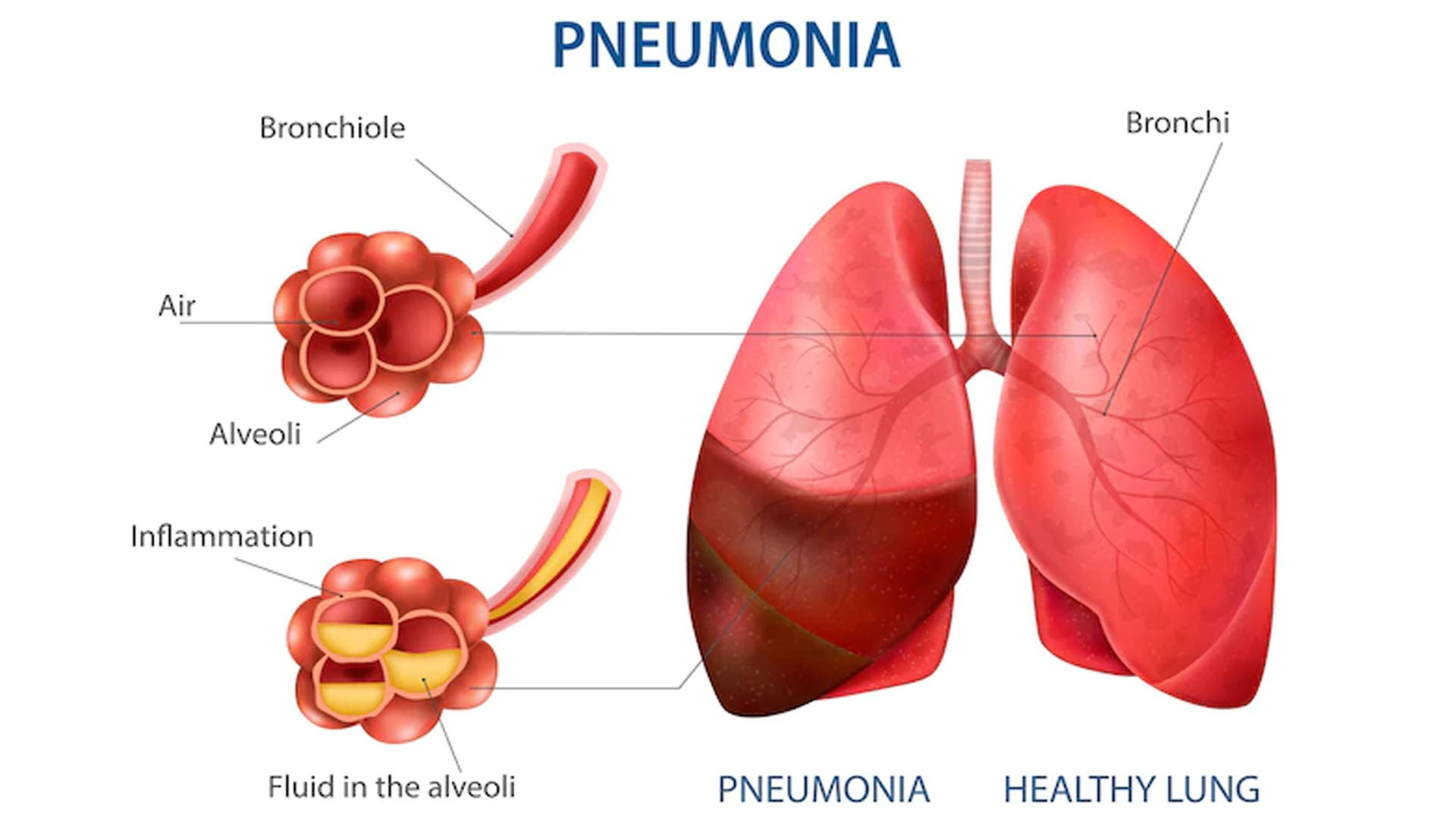
Asthma is a common respiratory condition characterized by inflammation in the airways that leads to difficulty in breathing. Proper management enables individuals to maintain an active lifestyle despite their diagnosis.
- Symptoms: Common signs include wheezing, coughing (especially at night), shortness of breath during exertion or at rest, chest tightness or pain.
- Status Trigger Factors:Common triggers like allergens (dust mites), exercise-induced bronchoconstriction or environmental pollutants can exacerbate asthma symptoms considerably in vulnerable individuals.
- Diagnosis :The diagnosis is made based on patient history followed by physical examinations & lung function tests like spirometry
- Treatment Management :Inhalers such as bronchodilators help relieve acute symptoms while inhaled corticosteroids reduce inflammation over time . Additionally , avoidance strategies should also be employed against identified triggers .
- Your Expectations :With diligent adherence towards treatment plans combined alongside routine checkups , patients tend enjoy safer breathing practices & prevent exacerbation events
Managing asthma effectively requires personal commitment towards both preventive care & adhering therapeutic regimens .
CHOLESTEROL MANAGEMENT
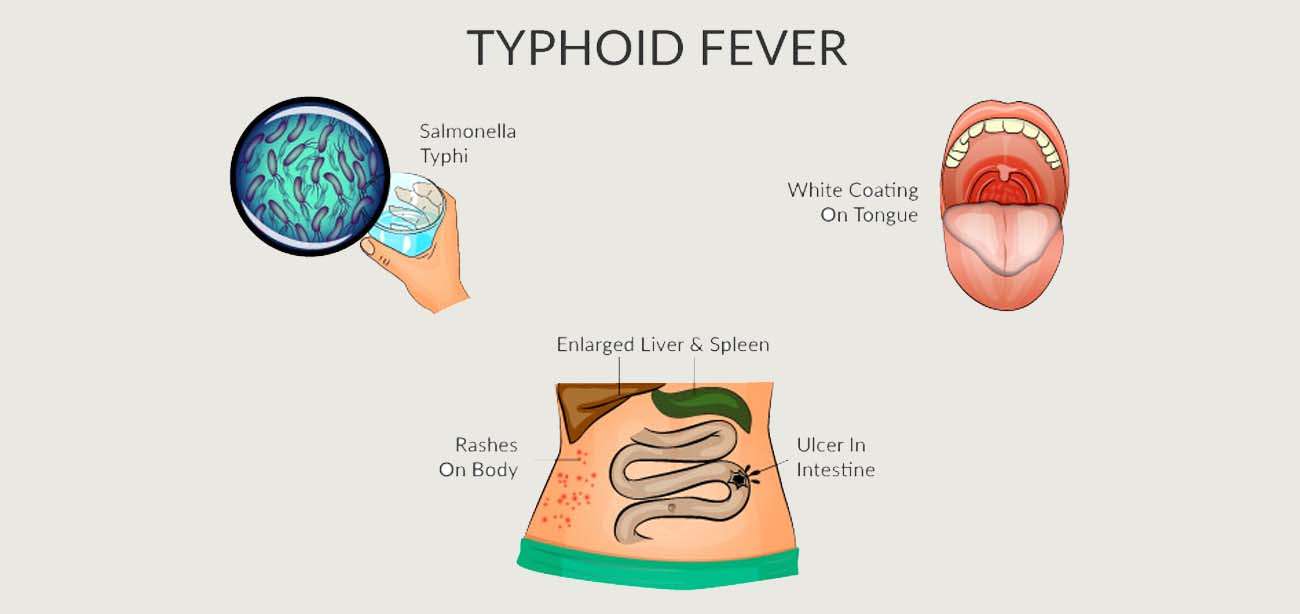
Elevated cholesterol levels can increase the risk of heart diseases. Monitoring lipid profiles regularly allows for timely intervention and management of heart health.
- Symptoms: High cholesterol typically does not present obvious symptoms; however, it can lead to serious cardiovascular diseases over time without appropriate intervention.
- Causes: Poor diet high in saturated fats and trans fats along with lack of exercise contribute significantly to elevated cholesterol levels.
- Diagnosis: A simple blood test known as a lipid panel measures total cholesterol levels alongside HDL (good) and LDL (bad) cholesterol concentrations.
- Treatment Options: Management includes dietary changes focusing on heart-healthy foods low in saturated fats along with regular physical activity; medications may also be prescribed when necessary.
- Your Expectations: Through consistent management efforts including regular check-ups, patients can expect improved cholesterol levels which will positively influence overall heart health.
A focus on early detection paired with effective lifestyle modifications can significantly diminish heart-related risks associated with high cholesterol.
TYPE 2 DIABETES MANAGEMENT
Type 2 Diabetes is a metabolic disorder characterized by insulin resistance and high blood sugar levels. Early diagnosis and lifestyle intervention are vital in managing this condition effectively.
- Symptoms: People may experience increased thirst, frequent urination, fatigue, blurred vision, and slow healing of wounds.
- Causes: Contributing factors include overweight status, sedentary lifestyle, family history of diabetes, and unhealthy dietary habits.
- Diagnosis: Blood tests measuring glucose levels (like HbA1c) help confirm the presence of diabetes.
- Treatment/Management: A combination of dietary changes, exercise regimens, weight loss strategies, and sometimes medications are utilized for effective management.
- What to Expect: With disciplined lifestyle changes and medical supervision, many individuals can manage their diabetes successfully and minimize its impact on daily life.
A proactive approach combined with medical advice offers the best route towards achieving stable blood glucose levels.
HYPERTENSION MANAGEMENT
Hypertension, commonly known as high blood pressure, is a chronic condition that can lead to severe health complications if left untreated. It is often referred to as the 'silent killer' because it usually has no noticeable symptoms.
- Symptoms: Many individuals with hypertension may not exhibit symptoms, but some could experience headaches, dizziness, or nosebleeds.
- Causes: Factors contributing to hypertension include obesity, lack of physical activity, excessive salt intake, and stress.
- Diagnosis: Blood pressure readings are taken using a sphygmomanometer. Regular monitoring helps in diagnosing and managing this condition effectively.
- Treatment Options: Lifestyle changes such as diet modification, increased physical activity, and medication may be prescribed to lower blood pressure.
- What to Expect: With proper management, individuals can lead a healthy life while keeping their blood pressure within a normal range.
Effective management of hypertension is crucial for avoiding complications like heart disease and stroke; hence regular check-ups are advised.