
Dr Manju Sharma
About Me
Dr Manju Sharma
MD
Nephrologist
10 Years Experience
Biography
My Clinic
OPD Hours
| Monday | Morning | 10:00 AM | - | 02:00 PM |
| Evening | 06:00 PM | - | 09:00 PM | |
| Tuesday | Morning | 10:00 AM | - | 02:00 PM |
| Evening | 06:00 PM | - | 09:00 PM | |
| Wednesday | Morning | 10:00 AM | - | 02:00 PM |
| Evening | 06:00 PM | - | 09:00 PM | |
| Thursday | Morning | 10:00 AM | - | 02:00 PM |
| Evening | 06:00 PM | - | 09:00 PM | |
| Friday | Morning | 10:00 AM | - | 02:00 PM |
| Evening | 06:00 PM | - | 09:00 PM | |
| Saturday | Morning | 10:00 AM | - | 02:00 PM |
| Evening | 06:00 PM | - | 09:00 PM | |
| Sunday | Morning | 10:00 AM | - | 02:00 PM |
| Evening | 06:00 PM | - | 09:00 PM |
Treatments
Specialised care and treatments offered
POLYCYSTIC KIDNEY DISEASE (PKD)
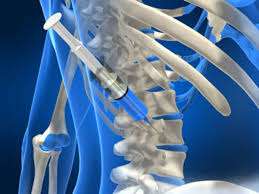
Polycystic Kidney Disease (PKD) is an inherited disorder characterized by clusters of cysts that develop primarily within the kidneys. This leads not only to enlarged kidneys but also various complications related to renal function over time.
- < span style="font-weight: bold;">Symptoms: In early stages might be asymptomatic; later signs include high blood pressure & back pain due to cyst growths.
- < span style="font-weight: bold;">Diagnosis methods: Imaging techniques such as ultrasound or CT scans assist greatly when evaluating cystic structures present.
- < span style="font-weight: bold;">Treatment options: Though no cure exists yet management focuses on controlling symptoms & complications via medication— surgery might become necessary if cysts cause discomfort excessively.
Engaging with experts regularly allows patients timely intervention which enhances long-term outcomes!
DIABETIC NEPHROPATHY

This condition occurs as a complication of diabetes leading to kidney damage over time. Diabetic nephropathy impacts how effectively kidneys filter waste from your bloodstream. Early detection is vital for preventing severe decline in function.
- Symptoms:Generally asymptomatic until advanced stages; signs may include proteinuria (protein in urine) along with swelling.
- Diagnosis:Regular screenings for individuals with diabetes are crucial; they often include blood tests for glomerular filtration rate (GFR).
- Management:Control of blood sugar levels through diet changes and medications aids in slowing progression.
Awareness about this relationship between diabetes control & kidney health helps you take informed decisions.
URINARY TRACT INFECTIONS (UTIS)

A urinary tract infection, commonly referred to as a UTI, occurs when bacteria enter the urinary system. This condition is prevalent among women but can affect anyone at any age.
- Main Symptoms: Frequent urination, burning sensation during urination, cloudy or strong-smelling urine are typical signs indicative of an infection.
- Diagnosis Methodology:: Urinalysis alongside culture tests helps determine the infection's cause and appropriate treatment routes.
KIDNEY STONES

The formation of kidney stones, hard deposits made of minerals and salts, is a painful condition affecting many individuals. These stones develop when urine becomes concentrated, allowing minerals to crystallize and stick together.
- Causative Factors: Dehydration, certain diets high in protein or sodium, and specific medical conditions increase the risk of stone formation.
- Difficulties Experienced: Symptoms include severe pain in the back or side, hematuria (blood in urine), and nausea.
- Treatment Approaches: Options range from increased fluid intake to pass smaller stones naturally up to surgical interventions for larger stones that obstruct urine flow.
An understanding of preventive measures can significantly reduce the likelihood of future occurrences of kidney stones.
HYPERTENSION MANAGEMENT

Hypertension, or high blood pressure, is a common condition that can lead to serious complications if left untreated. Effective management can prevent damage to the kidneys and lower the risk of cardiovascular events.
- Signs: Often referred to as a 'silent killer', it typically presents no symptoms until significant damage occurs.
- Evaluation: Blood pressure readings taken on multiple occasions are essential for accurate diagnosis.
- Treatment Strategies: Lifestyle modifications such as dietary changes, regular physical activity, and medications may be recommended based on individual needs.
- Monitoring: Regular follow-ups are necessary to ensure blood pressure stays within target ranges.
A comprehensive approach to hypertension can greatly enhance overall health and quality of life.
CHRONIC KIDNEY DISEASE (CKD)

Chronic Kidney Disease is a progressive condition characterized by the gradual loss of kidney function over time. It can affect various bodily functions and is often associated with other health issues like diabetes and hypertension.
- Symptoms: Often asymptomatic in early stages, but can include fatigue, swelling, and changes in urination.
- Diagnosis: Blood tests measuring creatinine levels, urine tests, and imaging studies are used to assess kidney function.
- Treatment Options: Management may involve lifestyle changes, medications to control underlying conditions, and dialysis in advanced stages.
- Prevention: Maintaining a healthy diet, regular exercise, and monitoring blood pressure can help reduce risk.
Catching CKD early can significantly slow its progression and improve outcomes for patients.