
About Me
Dr. Manjunatha P
M.D
Dermatology
16 Years Experience
Biography
Dr. Manjunatha P, MBBS, MD (DVL), is a distinguished Consultant Dermatologist with over 16 years of clinical experience in the diagnosis, treatment, and management of a wide spectrum of skin, hair, and nail disorders. With extensive expertise in both medical and cosmetic dermatology, he is dedicated to delivering comprehensive, patient-centered care tailored to individual needs.
Dr. Manjunatha specializes in the treatment of acne and acne scars, eczema, psoriasis, fungal infections, vitiligo, pigmentation disorders, allergic skin conditions, hair loss, dandruff, nail diseases, and other chronic dermatological concerns. He is proficient in performing advanced dermatological procedures and offers the latest evidence-based treatments to ensure optimal outcomes and long-term skin health.
Known for his compassionate approach and commitment to clinical excellence, Dr. Manjunatha emphasizes accurate diagnosis, preventive skin care, and personalized treatment plans. He believes in educating patients about their conditions and empowering them to make informed decisions regarding their skin and overall wellness.
Holding an MBBS and MD in Dermatology, Venereology & Leprosy (DVL), Dr. Manjunatha remains actively updated with the latest advancements in dermatology and skincare. He is registered with the Karnataka Medical Council (KMC) and is recognized for providing high-quality dermatological care to patients across all age groups. His dedication to excellence and patient satisfaction has earned him the trust of countless individuals seeking expert skin, hair, and nail care solutions.
My Clinic
OPD Hours
Treatments
Specialised care and treatments offered
ALOPECIA AREATA
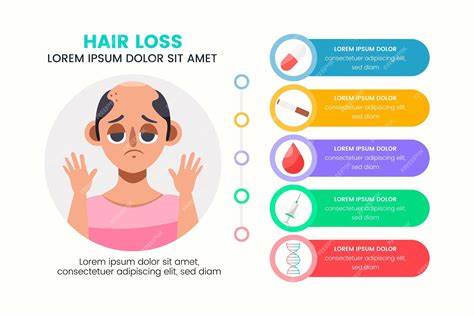
Alopecia areata is an autoimmune disorder causing sudden patchy hair loss which can affect any hair-bearing area although scalp involvement is most common. It may affect children or adults without gender preference.
- Symptoms & Triggers Insight: Characterized by round smooth bald patches that develop rapidly; exact cause unknown but believed related to immune system attacking hair follicles triggered by genetics/stress factors.
MELASMA
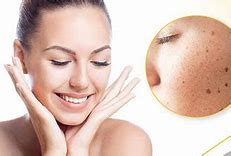
This pigmentary disorder mainly affects adults causing symmetrical brownish patches especially on sun-exposed facial areas. Melasma is linked to hormonal changes and UV exposure that stimulate melanin production abnormally.
- Main Signs & Causes: Irregular darkened spots usually appear across cheeks, forehead, nose bridge. Commonly triggered by pregnancy (chloasma), contraceptive use or sun exposure.
- Evidencing Diagnosis: Diagnosed visually via clinical assessment; wood’s lamp examination assists in depth evaluation of pigmentation layers.
- Treatment Possibilities: Includes broad-spectrum sunscreens daily along with topical agents like hydroquinone or azelaic acid; chemical peels or laser may be options in stubborn cases under close supervision.
- Treatment Expectations: Gradual fading occurs over months but complete removal can be challenging; persistence with protective measures is key to long-term success.
A combination of preventive care against ultraviolet rays plus targeted depigmenting therapies offers improvement in melasma’s cosmetic appearance over time safely.
ATOPIC DERMATITIS (ECZEMA)
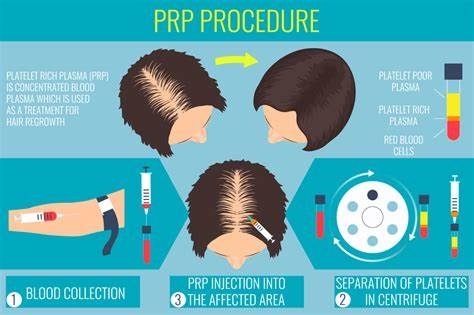
Atopic dermatitis is a chronic inflammatory skin disease characterized by itchy patches commonly seen in children but also affecting adults. It results from an impaired skin barrier along with immune dysregulation.
- Clinical Features and Causes: Presents as dry, red, itchy areas often located on flexural surfaces such as elbows or behind knees. Family history of allergies increases risk.
- Diagnosis Criteria: Primarily based on patient history and characteristic appearance; sometimes allergy tests are performed for associated triggers.
- Treatment Strategies: Emollients for hydration form the base; topical steroids or calcineurin inhibitors reduce inflammation; avoiding irritants is crucial.
- Prognosis: Symptoms fluctuate but regular skin care improves control significantly. Severe cases might need systemic therapies under specialist care.
Lifelong management focusing on maintenance of skin moisture minimizes flare-ups and enhances comfort for those affected by this condition.
ACNE VULGARIS
Acne vulgaris is one of the most common skin disorders affecting adolescents and adults alike. It arises from blockage and inflammation of hair follicles and associated oil glands.
- Causes and Symptoms: Acne appears as pimples, blackheads, whiteheads, or cysts primarily on the face, chest, and back. Hormonal changes, excess sebum production and bacterial growth contribute.
- Diagnostic Approach: Usually diagnosed by clinical inspection; severity guides treatment planning.
- Treatment Modalities: Mild cases respond well to topical cleansers and retinoids; moderate to severe acne may require oral antibiotics or hormonal therapy. In resistant situations isotretinoin is considered under supervision.
- What to Expect: Improvement typically takes weeks to months. Scarring prevention is an important aspect of management.
A tailored approach combining skincare hygiene with medical treatments helps in controlling acne effectively while minimizing side effects.
PSORIASIS
Psoriasis is a chronic autoimmune skin condition that causes rapid skin cell buildup, leading to scaling and inflammation. It can affect individuals of all ages and often follows a relapsing-remitting course.
- Symptoms and Causes: Psoriasis typically presents as red, scaly patches, often on the scalp, elbows, knees, or lower back. Triggers include stress, infections, certain medications, and genetics.
- Diagnosis: Doctors diagnose psoriasis through physical examination and sometimes a skin biopsy to differentiate it from other conditions.
- Treatment Options: Management includes topical therapies like corticosteroids and vitamin D analogs, phototherapy, systemic treatments including oral medications or biologic agents for severe cases.
- Expectations: With appropriate treatment, symptoms can be controlled though psoriasis may flare periodically. Lifestyle adjustments help reduce triggers.
This condition requires ongoing care but with adherence to treatment plans many patients maintain good quality of life and skin appearance.