
Dr Manjusha Agarwal
About Me
Dr Manjusha Agarwal
Internal Medicine
Biography
My Clinic
OPD Hours
| Tuesday | Morning | 10:00 AM | - | 02:00 PM |
| Evening | 06:00 PM | - | 09:00 PM | |
| Wednesday | Morning | 10:00 AM | - | 02:00 PM |
| Evening | 06:00 PM | - | 09:00 PM | |
| Thursday | Morning | 10:00 AM | - | 02:00 PM |
| Evening | 06:00 PM | - | 09:00 PM | |
| Friday | Morning | 10:00 AM | - | 02:00 PM |
| Evening | 06:00 PM | - | 09:00 PM | |
| Saturday | Morning | 10:00 AM | - | 02:00 PM |
| Evening | 06:00 PM | - | 09:00 PM | |
| Sunday | Morning | 10:00 AM | - | 02:00 PM |
| Evening | 06:00 PM | - | 09:00 PM | |
| Thursday | Morning | 10:00 AM | - | 02:00 PM |
| Evening | 06:00 PM | - | 09:00 PM |
Treatments
Specialised care and treatments offered
GASTROESOPHAGEAL REFLUX DISEASE (GERD) ASSESSMENT
Gastroesophageal Reflux Disease (GERD) is a digestive disorder where stomach acid frequently flows back into the tube connecting your mouth and stomach. This backflow can irritate the lining of your esophagus causing discomfort.
- Common symptoms include heartburn, regurgitation of food or sour liquid, difficulty swallowing together with chest pain especially at night.
- Diagnosis often includes endoscopic evaluation via an upper GI endoscopy along with pH monitoring studies that measure acidity levels in the esophagus over 24 hours.
- Treatment focuses primarily on lifestyle modifications like avoiding trigger foods combined with medications such as proton pump inhibitors (PPIs).
- Rigorous follow-up appointments help evaluate symptom relief efficacy while adjusting treatment plans accordingly ensuring patients receive optimal care throughout recovery process
Addressing GERD comprehensively leads not only towards symptom relief but also enhances quality-of-life substantially over time.
ANEMIA DIAGNOSIS AND TREATMENT
Anemia refers to a deficiency in red cells or hemoglobin in the blood. It can lead to fatigue, weakness, and other health problems if not adequately addressed.
- The most common cause of anemia is iron deficiency; however, it can also result from chronic diseases or vitamin deficiencies such as B12 or folate insufficiency.
- Diagnosis requires a complete blood count (CBC) test along with additional tests like ferritin level assessments to determine type-specific anemia accurately.
- Treatment options may involve dietary supplementation with iron-rich foods, vitamin supplements, or more aggressive medical therapies based on severity.
- Paitents will learn about managing their diet effectively while being monitored for improvement through regular follow-ups on their hemoglobin levels
A comprehensive approach ensures that anemia is resolved efficiently while promoting overall patient wellness.
THYROID DISORDER EVALUATION
Thyroid disorders encompass a range of conditions that affect hormone production from the thyroid gland. These disorders can have significant impacts on metabolism and overall well-being.
- Common symptoms include weight changes, fatigue, mood swings, hair loss, or changes in skin texture depending on whether it's hyper- or hypothyroidism.
- A diagnosis typically involves blood tests measuring TSH (Thyroid Stimulating Hormone), T3 and T4 hormone levels to assess thyroid function accurately.
- Treatment varies based on the type of disorder; options include medication adjustments or hormonal therapies based on clinical guidelines.
- Paitents will receive thorough education about their condition and how it affects them to ensure better adherence to treatment regimens.
A tailored management plan helps in effectively controlling thyroid disorders for long-term health benefits.
CHOLESTEROL MANAGEMENT
Elevated cholesterol levels can significantly increase the risk of heart disease and stroke. Managing cholesterol is vital for overall cardiovascular health.
- It may be asymptomatic initially but might lead to chest pain or heart-related symptoms over time.
- A lipid panel test helps in assessing cholesterol levels—total cholesterol, LDL, HDL, and triglycerides are measured.
- Treatment includes dietary interventions, physical activity recommendations, and possibly statin therapy or other medications when necessary.
- Paitents are guided on how lifestyle choices impact cholesterol levels directly and what steps they need to take for improvement.
A proactive approach ensures effective management of cholesterol levels to safeguard your heart health.
HYPERTENSION SCREENING AND MANAGEMENT
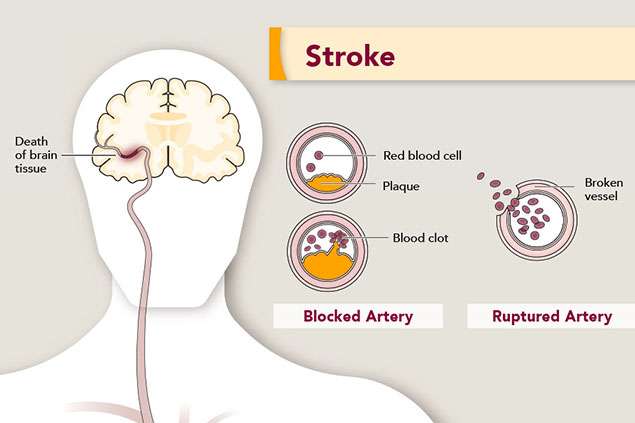
Hypertension, or high blood pressure, is often referred to as the 'silent killer' because it typically presents no symptoms. If left untreated, it can lead to serious cardiovascular issues.
- The primary causes include lifestyle factors such as poor diet, lack of physical activity, and stress.
- Diagnosis is made through regular blood pressure checks using a sphygmomanometer.
- Treatment may involve lifestyle modifications like dietary changes alongside antihypertensive medications.
- Patients should expect regular follow-ups to monitor their condition and adjust treatment as necessary.
- Educational resources are provided to help patients understand how they can manage their hypertension effectively.
A comprehensive approach helps control blood pressure and reduce the risks associated with this condition.
DIABETES MELLITUS MANAGEMENT
Diabetes Mellitus is a metabolic disorder characterized by high blood sugar levels due to insulin resistance or insufficient insulin production. This chronic condition can lead to serious health complications if not properly managed.
- Symptoms may include frequent urination, increased thirst, fatigue, and blurred vision.
- Diagnosis usually involves fasting blood sugar tests, HbA1c levels, and glucose tolerance tests.
- Treatment options vary from lifestyle changes such as diet and exercise to medications including insulin therapy.
- Regular monitoring of blood glucose levels is crucial in managing diabetes effectively.
- Patients can expect personalized care plans that focus on their specific needs and ongoing support for lifestyle adjustments.
Proper management of Diabetes Mellitus can significantly improve quality of life and reduce the risk of complications.