
Dr Manjusha Sawale
About Me
Dr Manjusha Sawale
Anesthesiologist
Biography
My Clinic
OPD Hours
| Tuesday | Morning | 10:00 AM | - | 02:00 PM |
| Evening | 06:00 PM | - | 09:00 PM | |
| Wednesday | Morning | 10:00 AM | - | 02:00 PM |
| Evening | 06:00 PM | - | 09:00 PM | |
| Thursday | Morning | 10:00 AM | - | 02:00 PM |
| Evening | 06:00 PM | - | 09:00 PM | |
| Friday | Morning | 10:00 AM | - | 02:00 PM |
| Evening | 06:00 PM | - | 09:00 PM | |
| Saturday | Morning | 10:00 AM | - | 02:00 PM |
| Evening | 06:00 PM | - | 09:00 PM | |
| Sunday | Morning | 10:00 AM | - | 02:00 PM |
| Evening | 06:00 PM | - | 09:00 PM | |
| Thursday | Morning | 10:00 AM | - | 02:00 PM |
| Evening | 06:00 PM | - | 09:00 PM |
Treatments
Specialised care and treatments offered
PEDIATRIC ANESTHESIA
Pediatric anesthesia requires specialized knowledge due to unique physiological responses in children. Effective management ensures safe surgeries while minimizing anxiety among younger patients undergoing various procedures ranging from simple outpatient tasks through complex interventions requiring comprehensive adaptability .
- Unique considerations : Younger patients may exhibit different reactions toward medications necessitating adaptations continuously updating techniques accordingly .
- Collaborative efforts : Anesthesiologists work closely alongside pediatricians fostering consistent communication ensuring coherent strategies put forth addressing specific challenges faced pertaining their age group’s needs efficiently managed comprehensively solving issues beforehand together proactively achieving optimal outcomes later down road !
- Monitoring protocols : Continuous assessment conducted employing state-of-the-art technology providing secure environments maintaining alertness uninterruptedly leading children safest possible journeys through potentially intimidating scenarios !
The goal remains straightforward—to create comfortable experiences that benefit children eliminating fears surrounding surgeries guiding toward brighter healthier futures benefitting families involved completely lifting burdens earlier!
PREOPERATIVE ASSESSMENT

A thorough preoperative assessment is essential before any surgical procedure. This evaluation helps identify potential risks associated with anesthesia and guides effective planning tailored specifically for each patient’s health profile.
- Identifying risks : Factors such as previous reactions to anesthesia or existing health conditions inform risk assessment significantly impacting decisions made prior to surgery.
- Comprehensive evaluations : Specialists conduct physical examinations alongside obtaining detailed medical histories allowing an understanding about current medications & allergies.
- Planning tailored protocols : Customizing anesthesia plans empowers clinicians tailoring approaches best suited uniquely catering individual requirements empowering safe surgeries ahead .
- Patient education : Clear explanations about procedures & expected outcomes promote engagement enhancing satisfaction from initial visit onwards .
Your safety remains our priority throughout this process; effective preparation leads towards smoother experiences when it counts most!
ANESTHESIA FOR LABOR

Anesthesia plays a vital role in managing pain during labor and delivery. Various options are available depending on individual preferences and medical indications, enhancing maternal comfort throughout childbirth.
- The use of epidural or spinal analgesia: These techniques provide focused pain relief during labor, minimizing discomfort while allowing mothers to participate actively in their birthing experience.
PAIN MANAGEMENT TECHNIQUES

Pain management is crucial in improving quality of life for individuals suffering from chronic pain conditions. Anesthesiologists utilize various techniques to help manage pain effectively without invasive procedures.
- Symptoms of chronic pain: Persistent discomfort affecting daily activities often necessitates intervention through specialized pain management strategies.
- Assessment methods: Detailed evaluations including patient history and physical examinations guide treatment planning tailored to individual experiences with pain.
- Management solutions: Techniques such as nerve blocks, medication adjustments, and physical therapy are commonly integrated into comprehensive care plans.
- Follow-up care: Regular follow-ups are essential to adapt treatment approaches based on response and changing needs over time.
A collaborative effort ensures that patients receive personalized care aimed at restoring functionality while alleviating discomfort effectively.
SEDATION FOR MINOR PROCEDURES

Sedation is commonly employed during minor medical procedures to help patients relax while ensuring they remain safe and comfortable. It helps minimize anxiety while allowing the healthcare team to perform necessary interventions.
- Symptoms addressed: Anxiety or excessive movement during procedures can hinder successful outcomes; sedation can alleviate these concerns.
- Evaluation: A careful assessment of the patient's medical history determines sedation needs based on individual tolerance levels.
- Treatment methods: Options range from mild sedatives to deeper levels of sedation, customized according to the nature of the procedure.
- Monitoring: Continuous monitoring is conducted by the anesthesiology team for safety throughout the process.
- Post-procedure expectations: Patients are typically monitored until fully awake, with instructions provided for a smooth recovery at home.
This practice promotes a clearer experience through stress reduction during healthcare interventions.
REGIONAL ANESTHESIA

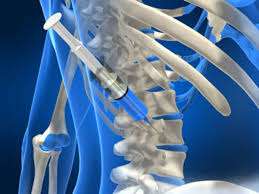
Regional anesthesia is a specialized technique used to block sensation in specific areas of the body. It involves injecting anesthetic agents near nerve pathways to provide pain relief during and after surgical procedures.
- Symptoms: Patients may experience localized pain or discomfort that regional anesthesia can effectively manage.
- Diagnosis: The need for regional anesthesia is assessed based on the type of procedure, medical history, and patient preferences.
- Treatment options: Methods include spinal, epidural, and nerve block anesthesia, tailored to the surgical site and patient needs.
- Management: Anesthesiologists monitor patients closely throughout the process to ensure safety and efficacy.
- Recovery expectations: Most patients can expect significant pain relief immediately following the procedure, with minimal side effects.
This approach enables quicker recovery times and allows for more controlled postoperative pain management.