
Dr Manoj Anantrai Shah
About Me
Dr Manoj Anantrai Shah
Cardiologist
Biography
My Clinic
OPD Hours
| Tuesday | Morning | 10:00 AM | - | 02:00 PM |
| Evening | 06:00 PM | - | 09:00 PM | |
| Wednesday | Morning | 10:00 AM | - | 02:00 PM |
| Evening | 06:00 PM | - | 09:00 PM | |
| Thursday | Morning | 10:00 AM | - | 02:00 PM |
| Evening | 06:00 PM | - | 09:00 PM | |
| Friday | Morning | 10:00 AM | - | 02:00 PM |
| Evening | 06:00 PM | - | 09:00 PM | |
| Saturday | Morning | 10:00 AM | - | 02:00 PM |
| Evening | 06:00 PM | - | 09:00 PM | |
| Sunday | Morning | 10:00 AM | - | 02:00 PM |
| Evening | 06:00 PM | - | 09:00 PM | |
| Thursday | Morning | 10:00 AM | - | 02:00 PM |
| Evening | 06:00 PM | - | 09:00 PM |
Treatments
Specialised care and treatments offered
CORONARY CT ANGIOGRAPHY

This non-invasive imaging technique uses computed tomography (CT) scanning to visualize coronary arteries. Coronary CT angiography provides essential details regarding coronary artery patency (blockages) without needing traditional catheterization methods!
STRESS TESTING
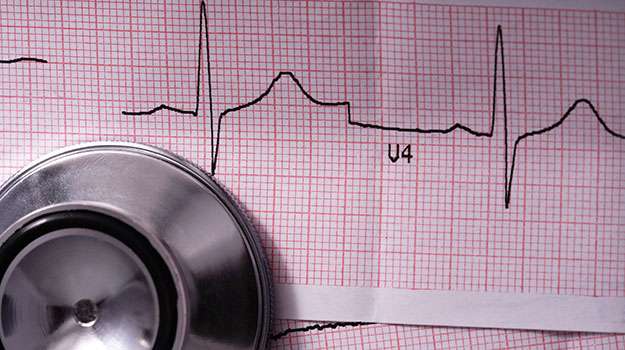
A stress test assesses how your heart functions under physical exertion. It's critical in evaluating cardiovascular health and diagnosing potential underlying problems that may not be apparent at rest.
- Common symptoms prompting this test include exertional chest pain or abnormal heart rhythms during activity.
- The diagnosis involves monitoring heart rate, blood pressure, and electrocardiogram readings throughout controlled exercise sessions or administering medications that simulate exercise effects on individuals unable to perform physical activity safely.
- Treatment recommendations depend on test outcomes; they often include lifestyle changes like diet improvement or medication initiation tailored according to results obtained from testing findings directly affecting patient health management strategies now available due diligence evidence-based practices today!
TRANSESOPHAGEAL ECHOCARDIOGRAM (TEE)
A transesophageal echocardiogram (TEE) is an advanced imaging technique used to obtain detailed pictures of the heart's structures. This non-invasive method provides clearer images than standard echocardiography and assists in diagnosing various cardiovascular conditions.
- Difficulties in diagnosing certain conditions stem from symptoms like unknown origin arrhythmias or unexplained stroke risk factors.
- The TEE procedure involves inserting a probe down the esophagus while monitoring real-time images of the heart through ultrasound technology.
- This technique helps identify problems such as valve issues, clots in the heart chambers, or congenital defects requiring attention.
- The patient may experience some discomfort but will receive sedation during the test for ease; recovery typically takes only a few hours before resuming regular activity later that day.
This innovative approach offers crucial insights for managing complex cardiac health issues more effectively.
HEART VALVE REPAIR
Heart valve repair involves surgical techniques to mend damaged or malfunctioning heart valves. This corrective procedure aims to restore optimal heart function and alleviate symptoms associated with valve-related conditions.
- Main indications for this surgery include shortness of breath, fatigue, and palpitations due to valvular stenosis or regurgitation.
- The diagnosis is made via echocardiograms or cardiac MRI that assess valve structure and function accurately.
- Surgery options range from minimally invasive approaches using robotics to traditional open-heart surgery depending on the complexity of the condition.
- Recovery varies but generally allows patients to resume normal activities within weeks after surgery with regular follow-up care.
This procedure can drastically improve overall well-being by enhancing heart performance.
ELECTROPHYSIOLOGY STUDIES
Electrophysiology studies are diagnostic procedures used to evaluate the electrical activity of the heart. They are essential in diagnosing arrhythmias and determining the appropriate course of treatment.
- Troubling symptoms include irregular heartbeats, dizziness, and syncope (fainting).
- Doctors diagnose these conditions using ECGs, Holter monitors, and electrophysiological tests performed during catheterization.
- Treatment may involve lifestyle modifications, medications like antiarrhythmics, or procedures such as catheter ablation for persistent issues.
- Patients can expect thorough monitoring during the study to ensure accurate results and a tailored treatment plan afterwards.
The outcome often leads to improved heart rhythm management for patients.
ANGIOPLASTY
Angioplasty is a minimally invasive procedure aimed at widening narrowed or obstructed blood vessels, primarily coronary arteries. This treatment is essential for improving blood flow and relieving symptoms associated with coronary artery disease.
- Symptoms of arterial blockages may include chest pain, shortness of breath, and fatigue.
- Diagnosis typically involves electrocardiograms, stress tests, and imaging studies such as angiography.
- Treatment options include balloon angioplasty and stenting to keep the arteries open post-procedure.
- Post-angioplasty, patients can expect a shorter recovery time, often returning to normal activities within a few days.
This procedure significantly enhances quality of life by effectively managing cardiovascular issues.