
Dr Manoj Kabra
About Me
Dr Manoj Kabra
DO
Ophthalmologist
Biography
My Clinic
OPD Hours
| Monday | Morning | 10:00 AM | - | 02:00 PM |
| Evening | 06:00 PM | - | 09:00 PM | |
| Tuesday | Morning | 10:00 AM | - | 02:00 PM |
| Evening | 06:00 PM | - | 09:00 PM | |
| Wednesday | Morning | 10:00 AM | - | 02:00 PM |
| Evening | 06:00 PM | - | 09:00 PM | |
| Thursday | Morning | 10:00 AM | - | 02:00 PM |
| Evening | 06:00 PM | - | 09:00 PM | |
| Friday | Morning | 10:00 AM | - | 02:00 PM |
| Evening | 06:00 PM | - | 09:00 PM | |
| Saturday | Morning | 10:00 AM | - | 02:00 PM |
| Evening | 06:00 PM | - | 09:00 PM | |
| Sunday | Morning | 10:00 AM | - | 02:00 PM |
| Evening | 06:00 PM | - | 09:00 PM |
Treatments
Specialised care and treatments offered
RETINAL DETACHMENT
A retinal detachment occurs when the retina peels away from its underlying supportive tissue. This serious condition requires immediate medical attention as it can quickly lead to permanent loss of vision if not treated swiftly. Awareness of its signs aids timely diagnoses critical for successful outcomes!
- Symptoms often include sudden flashes of light, floating spots within your field of view, or a shadow curtain descending across your sight area—each should be regarded seriously!
- An ophthalmologist conducts specific tests including imaging technology like B-scan ultrasonography during emergencies that confirm detachment levels accurately before determining intervention needs quickly!
- Treatment modalities could involve pneumatic retinopexy using gas bubbles injected into vitreous space combined with positioning instructions; additionally surgical procedures such as scleral buckle repairs provide effective solutions based on individual complexity levels involved depending on severity grading patterns noted at presentations.^
Immediate assistance enhances prospects significantly when caught early! Monitoring any abnormal sensation developments will empower proactive engagement significantly empowering better results throughout future assessments down life paths too—be vigilant!
KERATOCONUS
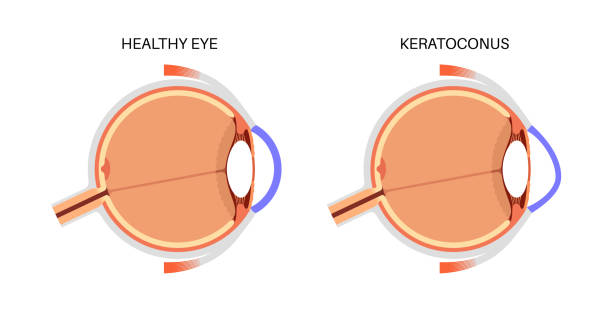
Keratoconus is a disorder where the cornea thins and bulges into a cone shape, leading to distorted vision. This usually appears during adolescence or early adulthood but can occur later in life too. Recognition of keratoconus symptoms leads to effective management strategies that preserve eyesight.
- The main indicators include blurred or distorted sight, frequent changes in prescription glasses, and increased sensitivity to light at night.
- A topographic map of the cornea generated during a specialized exam aids in diagnosing keratoconus accurately before significant progression occurs.
- Treatment options range from rigid gas permeable contact lenses that help reshape corneal curvature to surgical techniques such as corneal cross-linking aimed at strengthening corneal tissue integrity against further deformity progression.
If you experience visual disturbances suggestive of keratoconus, seeking prompt evaluation by an ophthalmologist can facilitate timely intervention tailored specifically for your needs!
DIABETIC RETINOPATHY
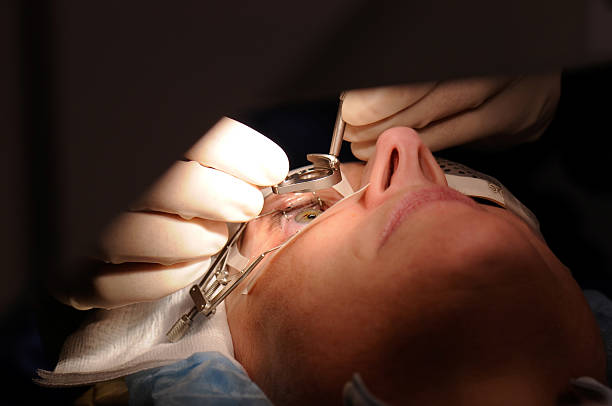
This condition arises from diabetes and affects blood vessels in the retina. Diabetic retinopathy can lead to serious visual impairment if not properly managed. Awareness of this disease among diabetic patients is essential for prevention of severe outcomes.
- The hallmark symptoms include blurred vision, floaters, and impaired color perception; advanced stages may cause serious visual loss without warning signs.
- A dilated eye exam enables early diagnosis through direct observation of retinal changes indicative of this condition.
- Treatment methods might include laser surgery, anti-VEGF injections that reduce swelling, or vitrectomy for more severe cases where bleeding occurs within the eye cavity.
- Good blood sugar control is critical in preventing progression; lifestyle interventions play a key role here alongside regular examinations by an ophthalmologist.
Please prioritize routine check-ups if you are diabetic—early intervention can significantly alter your prognosis regarding sight preservation!
AGE-RELATED MACULAR DEGENERATION (AMD)
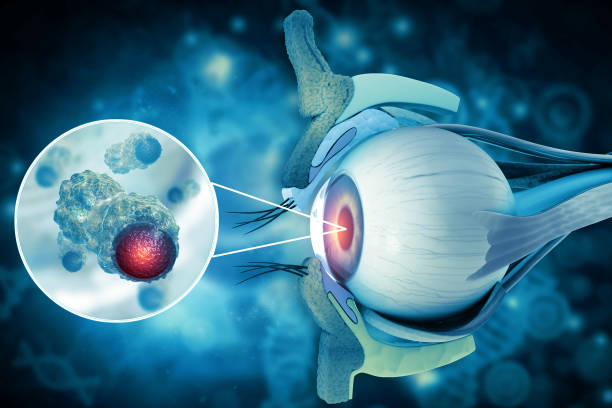
Age-related Macular Degeneration is a progressive condition affecting central vision primarily in individuals over the age of 50. It impacts daily activities such as reading and driving due to its effect on the macula, the part of the retina responsible for sharp central vision.
- Common symptoms include distorted or blurred central vision and difficulty distinguishing colors. Some might also notice dark spots in their line of sight.
- A comprehensive dilated eye examination helps diagnose AMD; imaging tests like OCT (Optical Coherence Tomography) may be used as well.
- Treatment options vary: dry AMD may be managed with lifestyle changes and supplements whereas wet AMD could require injections or laser therapy to prevent further damage.
- Ongoing support from an eye care specialist is crucial for monitoring progression and adapting treatment plans accordingly.
Early detection plays a significant role in managing AMD effectively; regular screenings become increasingly important with age.
GLAUCOMA
Glaucoma refers to a group of eye disorders that result in damage to the optic nerve, often associated with increased intraocular pressure. It is crucial to address this condition promptly as it can lead to permanent vision loss if left untreated.
- Common symptoms can include peripheral vision loss, tunnel vision, or seeing halos around lights.
- A thorough eye examination including tonometry (to measure eye pressure) is critical for diagnosing glaucoma.
- Treatment may involve prescription eye drops intended to lower eye pressure, oral medications, laser therapy, or surgery in advanced cases.
- Regular monitoring by an ophthalmologist is vital for managing the disease effectively over time.
Understanding the risks associated with glaucoma can help in taking preventive measures; ensure regular check-ups if you have risk factors such as family history or high blood pressure.
CATARACTS
Cataracts are a common ocular condition characterized by a clouding of the lens in the eye, leading to decreased vision. They often develop slowly and can affect one or both eyes. Understanding cataracts is crucial for early diagnosis and treatment.
- Symptoms may include blurred vision, difficulty seeing at night, and sensitivity to light.
- Cataracts are typically diagnosed through a comprehensive eye exam, which includes vision tests and an examination of the lens.
- Management options range from prescription glasses for mild cases to surgical intervention when vision impairment becomes significant.
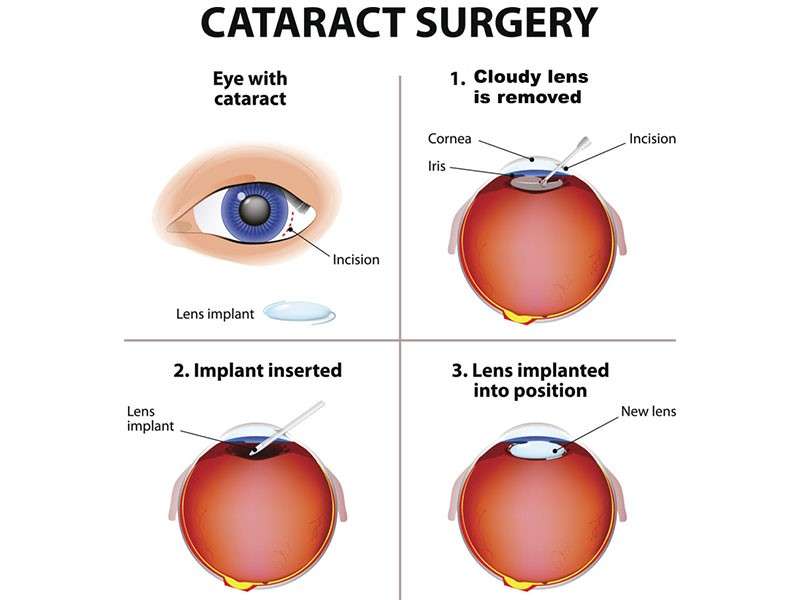
- Surgery usually involves removing the cloudy lens and replacing it with an artificial intraocular lens.
- Post-operative care is essential for recovery; most patients experience improved vision following surgery.
If you notice any changes in your vision, it’s advisable to consult an eye care professional as early detection can enhance treatment outcomes.