
Dr Manoj R Mashru
About Me
Dr Manoj R Mashru
Cardiologist
Biography
My Clinic
OPD Hours
| Tuesday | Morning | 10:00 AM | - | 02:00 PM |
| Evening | 06:00 PM | - | 09:00 PM | |
| Wednesday | Morning | 10:00 AM | - | 02:00 PM |
| Evening | 06:00 PM | - | 09:00 PM | |
| Thursday | Morning | 10:00 AM | - | 02:00 PM |
| Evening | 06:00 PM | - | 09:00 PM | |
| Friday | Morning | 10:00 AM | - | 02:00 PM |
| Evening | 06:00 PM | - | 09:00 PM | |
| Saturday | Morning | 10:00 AM | - | 02:00 PM |
| Evening | 06:00 PM | - | 09:00 PM | |
| Sunday | Morning | 10:00 AM | - | 02:00 PM |
| Evening | 06:00 PM | - | 09:00 PM | |
| Thursday | Morning | 10:00 AM | - | 02:00 PM |
| Evening | 06:00 PM | - | 09:00 PM |
Treatments
Specialised care and treatments offered
CORONARY ANGIOGRAPHY

Coronary angiography is an imaging technique used extensively in cardiology. It provides detailed visuals of coronary arteries allowing assessment of narrowing or blockages potentially leading to serious cardiac events like heart attacks.
- Symptoms : Typically indicated when patients report angina-like chest pain or have risk factors indicating possible coronary artery disease.
- Diagnosis : During this minimally invasive procedure, contrast dye injected into coronary vessels makes abnormalities visible via X-ray technology.
- Treatment Options : Findings from angiography can dictate whether further interventions such as stenting are required after determining severity levels accurately.
Recognizing these critical changes early increases chances of effective intervention before more severe complications manifest later down the line.
ELECTROPHYSIOLOGY STUDY
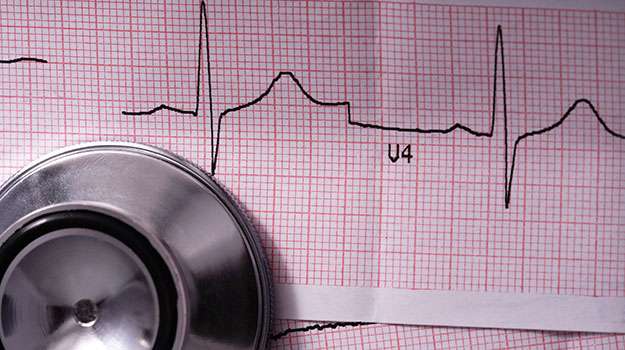
An electrophysiology study (EPS) is utilized to evaluate the electrical activity of the heart. This specialized testing helps diagnose arrhythmias by mapping electrical signals within the heart muscle itself.
- Symptoms: Patients who experience unexplained palpitations or syncope may benefit from this detailed investigation into their cardiac rhythm problems.
- Diagnosis : EPS precisely identifies abnormal conduction pathways responsible for arrhythmias.
- Treatment Options : If necessary, ablation therapy can be performed during EPS to eliminate problematic areas causing irregular beats.
- What to Expect : Recovery generally involves close monitoring but most patients return home within hours post-procedure.
Through careful analysis of cardiac electrical behavior, EPS plays a vital role in developing tailored management strategies for rhythm disorders.
CARDIAC CATHETERIZATION
Cardiac catheterization is an invasive procedure used to diagnose and sometimes treat cardiovascular conditions. It involves inserting a thin tube into the arteries of the heart through blood vessels for detailed examination.
- Symptoms: It may be needed for patients experiencing severe chest pain, shortness of breath, or significant risk factors for coronary artery disease.
- Diagnosis: This procedure can help identify blockages in coronary arteries by using contrast dye visible through imaging techniques like X-rays.
- Treatment Options: Depending on findings, options include angioplasty or stenting to restore proper blood flow to the heart muscle.
The procedure is performed under local anesthesia and offers crucial information necessary for effective treatment planning in cardiovascular care.
STRESS TEST
A stress test evaluates how the heart performs under physical exertion, helping identify potential issues that might not be detectable at rest. It is commonly used in assessing coronary artery disease risk.
- Symptoms: Patients may be asked to undergo this test if they have chest pain or other symptoms suggestive of heart disease during exercise.
- Diagnosis: The test usually involves walking on a treadmill while monitoring the patient's electrocardiogram (ECG) and blood pressure responses.
- Treatment Options: Depending on findings, further testing or lifestyle changes like diet and exercise might be recommended for improving overall cardiovascular health.
- What to Expect: Engaging in moderate exercise allows doctors to assess the heart's performance under stress safely.
This simple yet effective test offers significant insights into your cardiovascular functioning and guides appropriate management plans.
HOLTER MONITOR
A Holter monitor is a portable device that continuously records the heart's electrical activity for 24 hours or more. This monitoring technique enables doctors to capture data on heart rhythms during daily activities.
- Symptoms: It's often used when patients report symptoms like palpitations, dizziness, or unexplained fainting spells.
- Diagnosis: The monitor helps in identifying irregular heartbeats (arrhythmias) that may not appear during a standard ECG exam.
- Treatment Options: Results can guide treatment choices such as lifestyle modifications or specific medications to manage arrhythmias effectively.
- What to Expect: Patients wear the monitor attached with electrodes; it’s lightweight and does not interfere with normal activities.
This test provides critical data for diagnosing and managing complex cardiac disorders efficiently.
ECHOCARDIOGRAM
An echocardiogram is a crucial diagnostic tool that uses sound waves to create images of the heart. This non-invasive test helps physicians assess heart structure and function, providing vital information about various cardiac conditions.
- Symptoms: Patients may undergo this test if they experience shortness of breath, chest pain, or abnormal heart rhythms.
- Diagnosis: It is typically recommended after an initial evaluation by a healthcare provider and can reveal conditions like valve disease or cardiomyopathy.
- Treatment Options: Depending on results, treatment may range from medications to surgical interventions aimed at improving heart health.
- What to Expect: The procedure is painless and involves lying on an examination table while a technician applies gel and moves a transducer over the chest area.
The echocardiogram is a safe method that provides valuable insights into cardiac health without exposure to radiation.