
DR Manoj R Mashru
About Me
DR Manoj R Mashru
Cardiologist
Biography
My Clinic
OPD Hours
| Tuesday | Morning | 10:00 AM | - | 02:00 PM |
| Evening | 06:00 PM | - | 09:00 PM | |
| Wednesday | Morning | 10:00 AM | - | 02:00 PM |
| Evening | 06:00 PM | - | 09:00 PM | |
| Thursday | Morning | 10:00 AM | - | 02:00 PM |
| Evening | 06:00 PM | - | 09:00 PM | |
| Friday | Morning | 10:00 AM | - | 02:00 PM |
| Evening | 06:00 PM | - | 09:00 PM | |
| Saturday | Morning | 10:00 AM | - | 02:00 PM |
| Evening | 06:00 PM | - | 09:00 PM | |
| Sunday | Morning | 10:00 AM | - | 02:00 PM |
| Evening | 06:00 PM | - | 09:00 PM | |
| Thursday | Morning | 10:00 AM | - | 02:00 PM |
| Evening | 06:00 PM | - | 09:00 PM |
Treatments
Specialised care and treatments offered
CARDIAC REHABILITATION

Cardiac rehabilitation is a structured program that supports recovery after cardiac events or surgeries. Its primary goal is to help individuals regain strength while promoting a heart-healthy lifestyle post-diagnosis or intervention.
- Participants engage in supervised exercise sessions complemented by educational workshops emphasizing healthy diet choices , stress management , smoking cessation support , etc .
- Programs are personalized based on each patient ’ s medical history , capabilities , and prescribed therapeutic objectives ensuring maximum benefits derived from rehabilitation efforts .
- Regular assessments track progress throughout treatment duration fostering motivation among participants creating accountability between healthcare providers & patients alike allowing them collectively steer towards better health outcomes .
Involving physical exercise combined with psychological support empowers those recovering from cardiac issues reclaim control over their health leading ultimately towards improved longevity & well - being long term outcome sustainability forever intertwined into everyday lives going forward .
ATRIAL FIBRILLATION MANAGEMENT
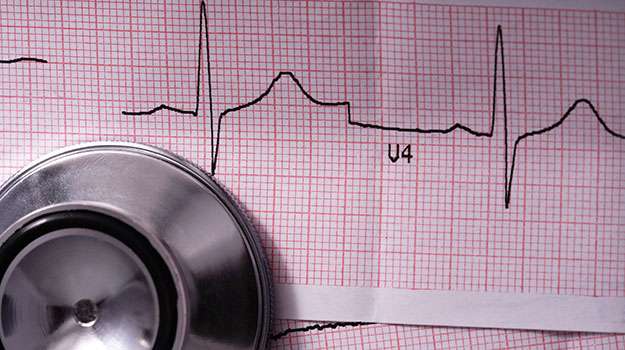
Atrial fibrillation (AFib) is a common irregular heartbeat condition requiring thorough assessment and management. It significantly increases stroke risk but can often be effectively controlled with appropriate treatment strategies tailored to each patient’s needs.
- Main symptoms can involve palpitations, rapid heartbeat, fatigue, dizziness, or even chest discomfort due to poor blood circulation caused by AFib episodes.
- The condition may be diagnosed through ECG readings confirming irregular pulse patterns alongside patient symptom reports during consultation visits.
- Treatment options usually encompass lifestyle adjustments, anticoagulation therapy for stroke prevention, or procedures like electrical cardioversion and catheter ablation tailored towards synchronization restoration in heart rhythm .
- Regular follow-ups ensure timely adjustments and bolster successful outcomes across management paths .
Successful management alleviates patient concerns about stroke risks whilst enhancing overall quality of life through effective rhythm control practices .
HOLTER MONITOR
A Holter monitor is a portable device worn by patients to continuously record their heart’s rhythms over 24 to 48 hours. This test allows physicians to detect abnormal cardiac activity that may not appear during regular check-ups.
- This monitoring tool helps evaluate symptoms like irregular heartbeat (arrhythmia) or unexplained dizziness and fainting spells.
- The diagnosis generally follows after analysis by correlating symptoms with recorded data from daily activities provided by patients during monitoring periods.
- Certain lifestyle adjustments might be recommended based on findings alongside possible medication interventions if necessary。
This easy-to-use device empowers both doctors and patients in identifying potential arrhythmias promptly and accurately for effective management of their condition.
TRANSESOPHAGEAL ECHOCARDIOGRAM (TEE)
A transesophageal echocardiogram (TEE) offers a clearer view of the heart than a standard echocardiogram by positioning the ultrasound probe in the esophagus. This method allows for detailed evaluation of cardiac structures when traditional imaging isn’t sufficient.
- This test helps diagnose issues like valvular heart disease, atrial septal defects, or endocarditis more accurately than through external imaging alone.
- The procedure involves sedation and inserting a slim tube down the throat while monitoring patient comfort throughout this minimally invasive process.
- It’s used particularly in cases where more precise imaging is necessary for treatment planning or preoperative assessment.
The insights gained from TEE are invaluable in establishing appropriate management strategies for serious cardiovascular conditions.
ECHOCARDIOGRAM
An echocardiogram is an essential diagnostic tool that uses ultrasound waves to create images of the heart's structure and function. This non-invasive test helps identify various heart conditions without any discomfort for the patient.
- Common reasons for an echocardiogram include investigating suspicion of heart disease, assessing heart function, or examining valvular issues.
- The procedure is typically performed by placing transducers on the chest that emit sound waves, which then reflect off heart structures.
- Results can reveal problems such as valve abnormalities, congenital defects, or signs of previous heart attacks.
- No significant preparation is needed; patients should wear comfortable clothing and may need to fast for a few hours beforehand.
This safe imaging technique provides critical information that guides treatment decisions for various cardiac conditions.
CORONARY ANGIOPLASTY
Coronary angioplasty is a minimally invasive procedure used to open narrowed or blocked coronary arteries, improving blood flow to the heart muscle. This technique can help relieve symptoms such as chest pain and shortness of breath.
- Symptoms can include angina (chest pain), fatigue, and heart palpitations.
- Diagnosis typically involves electrocardiograms (ECGs), stress tests, and imaging techniques like angiography.
- Treatment options may include angioplasty itself, along with stenting to keep arteries open, lifestyle modifications, and medications.
- During the procedure, a catheter is inserted through the skin and guided to the artery where a balloon is inflated to widen the artery.
- Patients can generally expect quicker recovery times compared to traditional surgery and may go home the same day.
This procedure represents a vital step in managing coronary artery disease effectively.