
Dr Manprakash Sh
About Me
Dr Manprakash Sh
MBBS
General Physician
10 Years Experience
Biography
My Clinic
OPD Hours
| Monday | Morning | 10:00 AM | - | 02:00 PM |
| Evening | 06:00 PM | - | 09:00 PM | |
| Tuesday | Morning | 10:00 AM | - | 02:00 PM |
| Evening | 06:00 PM | - | 09:00 PM | |
| Wednesday | Morning | 10:00 AM | - | 02:00 PM |
| Evening | 06:00 PM | - | 09:00 PM | |
| Thursday | Morning | 10:00 AM | - | 02:00 PM |
| Evening | 06:00 PM | - | 09:00 PM | |
| Friday | Morning | 10:00 AM | - | 02:00 PM |
| Evening | 06:00 PM | - | 09:00 PM | |
| Saturday | Morning | 10:00 AM | - | 02:00 PM |
| Evening | 06:00 PM | - | 09:00 PM | |
| Sunday | Morning | 10:00 AM | - | 02:00 PM |
| Evening | 06:00 PM | - | 09:00 PM |
Treatments
Specialised care and treatments offered
RESPIRATORY INFECTIONS
A respiratory infection involves any infection affecting the nasal passages lungs throat causing significant discomfort if untreated. Understanding these infections aids in timely management strategies that improve recovery times significantly!
.ANEMIA

Anemia occurs when there are not enough healthy red blood cells to carry adequate oxygen throughout your body. It often goes unnoticed until detected during routine examinations
.CHOLESTEROL MANAGEMENT
Lipid management is crucial for maintaining overall cardiovascular health. High cholesterol levels can increase the risk of heart disease if not properly addressed.
- Symptoms: Often there are no direct symptoms; however, high cholesterol can lead to serious conditions like heart attacks or strokes due to artery blockage.
- Causes: Lifestyle choices including poor diet high in saturated fat trans fats combined with inactivity contribute significantly.
- Diagnosis: A simple blood test called a lipid panel measures various types of cholesterol in your bloodstream.
- Treatment Options: Strategies may range from dietary adjustments rich in fruits vegetables whole grains coupled with medications such as statins when necessary.
- What to Expect: Regular check-ups will be essential in tracking progress toward achieving target cholesterol levels over time.
Adopting healthier habits plays an integral role in successful cholesterol control long term.
THYROID DISORDERS
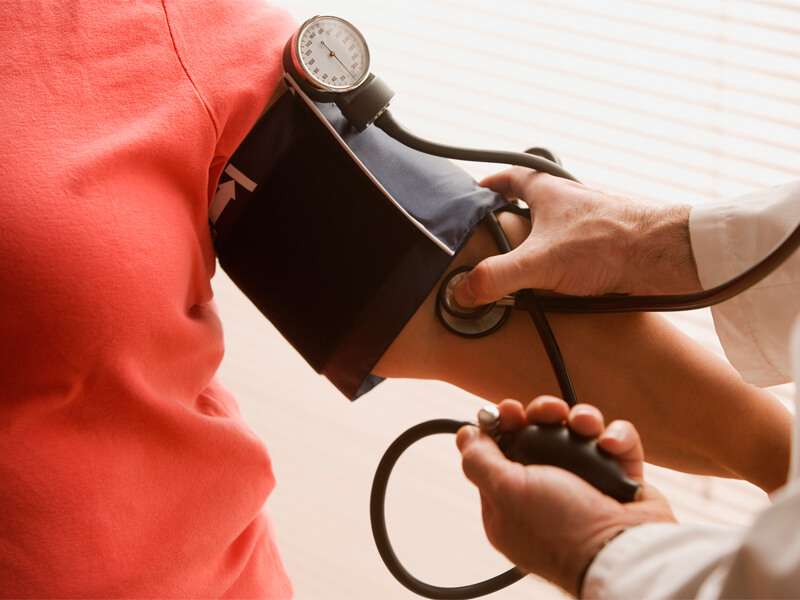
Thyroid disorders affect the production of thyroid hormones which are critical for metabolism. These conditions vary widely in symptom severity and health implications.
- Symptoms: Common symptoms include fatigue, weight gain or loss, mood changes, and sensitivity to temperature extremes.
- Causes: Thyroid imbalances can arise from autoimmune conditions like Hashimoto's thyroiditis or Graves’ disease, iodine deficiency, or nodules on the thyroid gland.
- Diagnosis:Your physician may utilize blood tests measuring TSH (Thyroid Stimulating Hormone) along with T3/T4 hormone levels to establish diagnosis.
- Treatment Options:The treatment plan could involve hormone replacement therapy for hypothyroidism or antithyroid medications for hyperthyroidism depending on the specific disorder diagnosed.
- What to Expect:An effective treatment regimen can restore hormone balance and alleviate symptoms significantly while also requiring periodic monitoring of hormone levels thereafter.
Catching thyroid issues early on will allow for better control over potential complications related to this condition.
DIABETES MELLITUS

Diabetes mellitus encompasses a group of diseases that affect how your body uses blood sugar (glucose). Proper management is vital to prevent severe complications over time.
- Symptoms: Typical signs include increased thirst, frequent urination, blurred vision, and fatigue.
- Causes: Factors leading to diabetes can include genetics, obesity, lack of physical activity, and certain medical conditions.
- Diagnosis: Tests such as fasting blood glucose levels or HbA1c tests help confirm diabetes diagnoses.
- Treatment Options: This may involve lifestyle changes in diet, regular exercise, and medications like insulin or oral hypoglycemics when necessary.
- What to Expect: Ongoing monitoring of blood sugar levels is crucial for managing diabetes effectively and minimizing health risks associated with the disease.
A comprehensive approach involving healthcare professionals ensures better management of this chronic condition.
HYPERTENSION
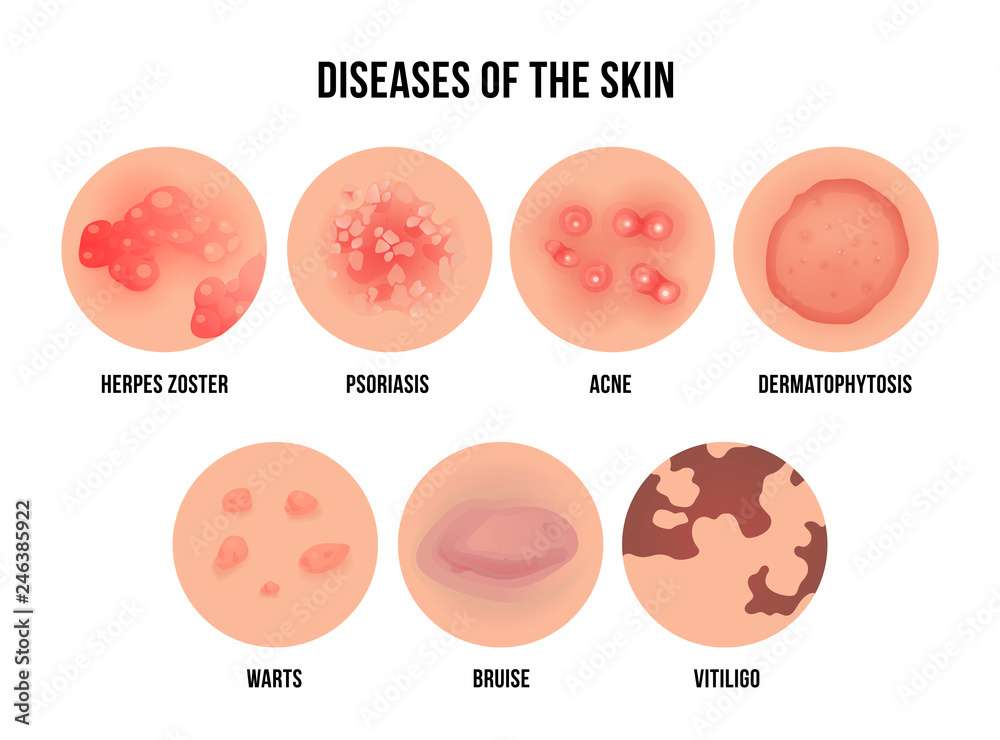
Hypertension, commonly referred to as high blood pressure, is a condition that can lead to serious health complications if left untreated. It often develops over many years and can remain unnoticed until significant damage has occurred.
- Symptoms: Many individuals with hypertension experience no symptoms, but some may suffer from headaches, shortness of breath, or nosebleeds.
- Causes: Factors contributing to hypertension include obesity, lack of physical activity, excessive salt intake, and stress.
- Diagnosis: Blood pressure is measured using a sphygmomanometer; readings above 130/80 mmHg indicate hypertension.
- Treatment Options: Management may include lifestyle changes such as diet and exercise or medications like diuretics and ACE inhibitors.
- What to Expect: Regular monitoring is crucial to manage the condition effectively and prevent complications such as heart disease or stroke.
It’s essential to consult a healthcare provider for personalized advice and treatment plans tailored to individual needs.