
Dr Mansi Sanghvi
About Me
Dr Mansi Sanghvi
Dermatologist
Biography
My Clinic
OPD Hours
| Tuesday | Morning | 10:00 AM | - | 02:00 PM |
| Evening | 06:00 PM | - | 09:00 PM | |
| Wednesday | Morning | 10:00 AM | - | 02:00 PM |
| Evening | 06:00 PM | - | 09:00 PM | |
| Thursday | Morning | 10:00 AM | - | 02:00 PM |
| Evening | 06:00 PM | - | 09:00 PM | |
| Friday | Morning | 10:00 AM | - | 02:00 PM |
| Evening | 06:00 PM | - | 09:00 PM | |
| Saturday | Morning | 10:00 AM | - | 02:00 PM |
| Evening | 06:00 PM | - | 09:00 PM | |
| Sunday | Morning | 10:00 AM | - | 02:00 PM |
| Evening | 06:00 PM | - | 09:00 PM | |
| Thursday | Morning | 10:00 AM | - | 02:00 PM |
| Evening | 06:00 PM | - | 09:00 PM |
Treatments
Specialised care and treatments offered
SKIN ALLERGIES
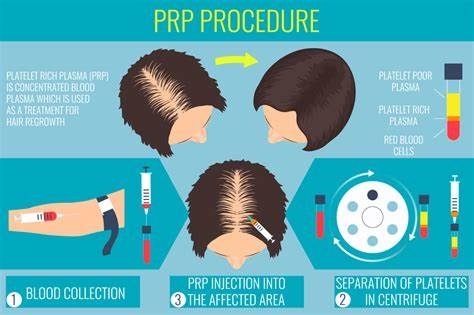
Skin allergies result from immune system reactions to various irritants or allergens. These reactions lead to uncomfortable symptoms that demand effective management strategies
- Main symptoms encompass redness, swelling, itching, and rashes that can appear suddenly upon contact with allergens such as soaps or certain fabrics
- A careful medical history review along with physical examination helps diagnose allergic reactions—prick tests may identify specific allergens involved
- Treatment often consists of antihistamines for immediate relief alongside topical steroids for localized inflammation management
- Avoidance strategies play an essential role in prevention while educating patients about recognizing their triggers enhances coping measures
Proactive management provides patients with better control over their allergic reactions leading toward improved comfort levels
ROSACEA
This common dermatological condition typically manifests as facial redness. Rosacea often leads to self-consciousness due to its visibility and potential progression without proper care.
- Main symptoms include persistent flushing, visible blood vessels on the face, acne-like bumps, and even eye irritation in severe cases.
- A healthcare professional usually diagnoses rosacea through patient history and examination; occasionally tests are performed to exclude other conditions such as lupus or allergies.
- Treatment might consist of topical medications like metronidazole or oral antibiotics depending on severity along with lifestyle modifications aimed at avoiding triggers like sun exposure or spicy foods.
With continuous management tailored by specialists, individuals can maintain their quality of life while keeping rosacea under control effectively
MELANOMA
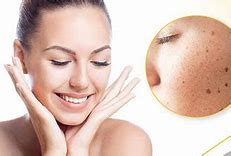
Melanoma is a serious form of skin cancer that develops from melanocytes (the cells responsible for pigment). Early detection is critical for successful treatment outcomes.
- The key symptoms include changes in existing moles or new growths that exhibit asymmetry or irregular borders.
- A dermatologist conducts a detailed examination of the skin; if melanoma is suspected, a biopsy will confirm diagnosis using tissue analysis.
- Treatment options depend on stage and may involve surgery, immunotherapy, targeted therapy, or radiation therapy as needed
- Regular monitoring and follow-up appointments are crucial after initial treatment to catch any signs of recurrence early on.
A proactive approach ensures timely intervention which significantly improves prognosis for melanoma patients.
ECZEMA (ATOPIC DERMATITIS)
Eczema is a chronic inflammatory condition characterized by dry and itchy skin. It often begins in childhood but can continue into adulthood or appear later in life.
- The main symptoms include red, inflamed patches that may weep or crust over; itching often intensifies at night.
- A thorough clinical evaluation helps diagnose eczema; allergy testing might also be suggested if triggers are suspected.
- Treatment typically involves moisturizers, topical corticosteroids, and sometimes oral antihistamines for itch relief.
- Patients should focus on maintaining proper hydration of the skin while avoiding known irritants to reduce flare-ups.
Effective management strategies lead to better comfort levels and healthier skin over time.
PSORIASIS
This chronic autoimmune condition manifests as red, inflamed patches covered with silvery scales. Psoriasis can greatly impact the quality of life due to its visible nature.
- The primary symptom is itchy or painful patches on the skin, which can occur anywhere but are commonly found on elbows and knees.
- A doctor typically diagnoses psoriasis through a visual inspection; sometimes, a small skin biopsy may be required for confirmation.
- Treatment often includes topical treatments like corticosteroids, phototherapy, and systemic medications for more severe cases.
- Management may also involve lifestyle changes such as stress reduction and dietary adjustments for optimal results.
With appropriate care, many individuals find relief from symptoms and improved skin appearance.
ACNE VULGARIS
Acne vulgaris is one of the most common skin conditions, primarily affecting adolescents but can persist into adulthood. It occurs when hair follicles become clogged with oil and dead skin cells.
- Symptoms include the presence of pimples, blackheads, and cysts on the face, back, and shoulders.
- Doctors typically perform a physical examination of the skin to diagnose acne; in some cases, additional tests may be needed to rule out hormonal imbalances.
- Treatment options range from topical retinoids to oral medications like antibiotics or hormonal treatments depending on severity.
- Patients can expect a gradual improvement over several weeks with consistent treatment. It's crucial to avoid picking at acne lesions to prevent scarring.
Understanding this condition can help in managing it effectively and minimizing long-term effects on skin health.