
Dr Mansukh Ghalla
About Me
Dr Mansukh Ghalla
General Physician
Biography
My Clinic
OPD Hours
| Tuesday | Morning | 10:00 AM | - | 02:00 PM |
| Evening | 06:00 PM | - | 09:00 PM | |
| Wednesday | Morning | 10:00 AM | - | 02:00 PM |
| Evening | 06:00 PM | - | 09:00 PM | |
| Thursday | Morning | 10:00 AM | - | 02:00 PM |
| Evening | 06:00 PM | - | 09:00 PM | |
| Friday | Morning | 10:00 AM | - | 02:00 PM |
| Evening | 06:00 PM | - | 09:00 PM | |
| Saturday | Morning | 10:00 AM | - | 02:00 PM |
| Evening | 06:00 PM | - | 09:00 PM | |
| Sunday | Morning | 10:00 AM | - | 02:00 PM |
| Evening | 06:00 PM | - | 09:00 PM | |
| Thursday | Morning | 10:00 AM | - | 02:00 PM |
| Evening | 06:00 PM | - | 09:00 PM |
Treatments
Specialised care and treatments offered
ALLERGY TESTING
An allergy test is an essential tool used in identifying specific allergens causing adverse reactions like sneezing or skin irritations. Understanding these triggers assists in developing effective management strategies tailored to each individual's needs.
- The primary symptoms: runny nose, itchy eyes, hives can indicate allergic reactions that warrant further investigation through formal testing methods offered by specialists locally around Mumbai too!
- Allergy tests may include skin prick tests that expose potential triggers directly onto the dermal layer; however serum IgE tests might be conducted under specific circumstances needing deeper insights into immune responses seen during episodes.
- Once identified- avoidance strategies paired alongside medications like antihistamines become straightforward approaches allowing patients greater control over their environments!
Consistent communication with healthcare professionals ensures allergies remain manageable while fostering improved day-to-day living experiences amidst differing sensitivities recorded here at local clinics established routinely offering support services tailored towards those affected by all types!
SKIN CONDITION EVALUATION

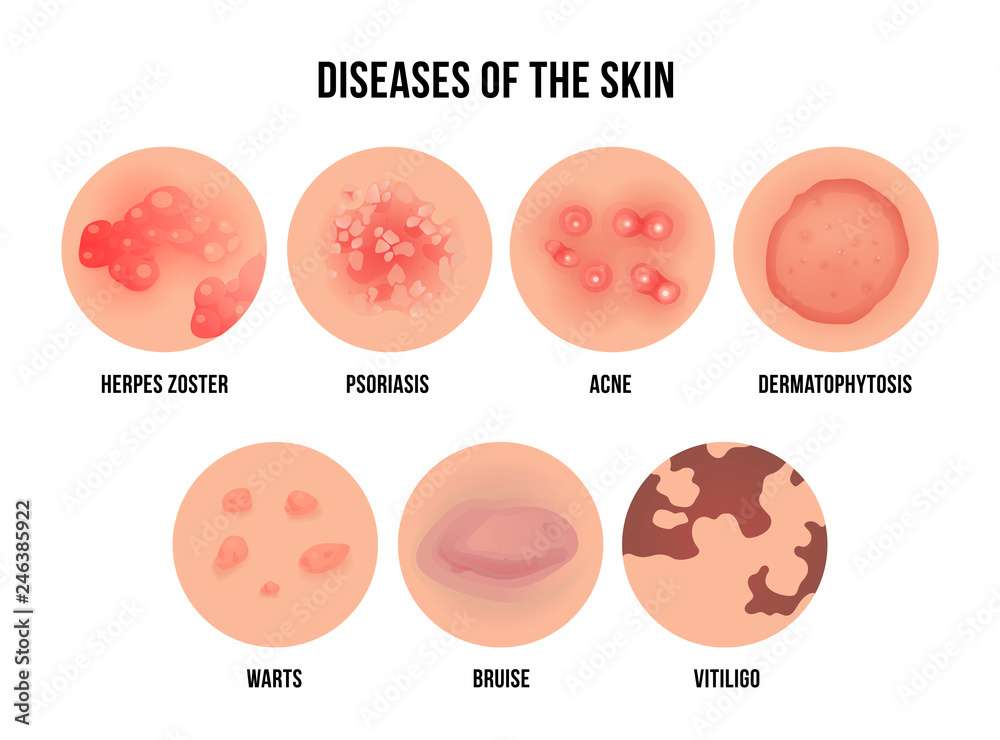
A skin condition evaluation helps identify various dermatological concerns ranging from eczema to psoriasis. Early diagnosis is critical for effective management of any skin-related issue encountered by patients at different stages of life.
- Painful rashes or persistent itchiness are common symptoms, alongside redness or scaling indicative of more complex dermatological problems that require attention.
- This evaluation typically involves a physical examination along with a review of medical history regarding skin issues present in the family background as well as previous treatments tried by the patient unknowingly prior visits.
- Diagnosis might involve punch biopsies or patch testing if allergies are involved; results guide future therapy decisions.
- Treatment could vary from topical corticosteroids to light therapy depending on severity; thus it’s tailored uniquely towards each patient's daily needs!
Frequent follow-ups allow adjustments based on how well individual responses occur under prescribed regimens enhancing healing rates while also managing flare-ups smartly too!
RESPIRATORY ILLNESS ASSESSMENT
An assessment for respiratory illnesses plays a crucial role in diagnosing conditions such as asthma or chronic obstructive pulmonary disease (COPD). Understanding symptoms helps ensure timely intervention and management strategies are in place.
- Main symptoms may include coughing, wheezing, shortness of breath, or chest tightness when experiencing respiratory issues.
- The diagnosis often involves physical examinations alongside tests like spirometry to measure lung function and chest X-rays if needed.
- Treatment plans could encompass inhalers for asthma management or pulmonary rehabilitation programs for chronic conditions.
- Follow-up appointments are essential to monitor progress and adjust treatment plans over time as necessary.
A thorough evaluation allows patients to manage respiratory illnesses effectively while improving quality of life through specialized care options available after diagnosis.
ROUTINE HEALTH CHECK-UPS
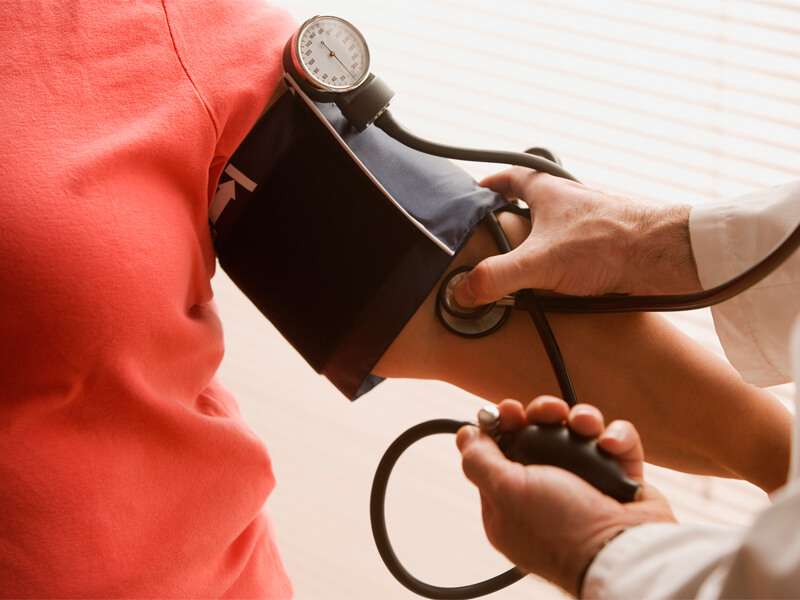
Routine health check-ups are vital for maintaining overall well-being and early identification of potential health issues. These assessments can save lives by catching problems before they become serious.
- A check-up typically includes measuring vital signs, discussing medical history, and conducting necessary screenings based on age and risk factors.
- Screens for blood pressure, cholesterol levels, and body mass index (BMI) are standard practice during these visits.
- Your doctor may recommend additional tests such as blood work depending on individual risk factors and family history.
- The goal is not only to identify diseases but also to promote healthy lifestyle choices that prevent future issues.
An annual check-up is an important step toward proactive healthcare management for all individuals.
DIABETES SCREENING

Diabetes screening is crucial for early detection of prediabetes or diabetes, which can significantly impact overall health if left unchecked. It’s important to understand risk factors and the need for regular testing.
- The main symptoms to watch for include increased thirst, frequent urination, and unexplained weight loss.
- Screening is usually conducted through blood tests such as fasting glucose or HbA1c levels.
- If diagnosed with diabetes, management may involve dietary changes, exercise, and medications to control blood sugar levels.
- Ongoing monitoring of blood sugar levels is essential to adjust treatment plans appropriately.
- Education on managing diabetes plays a key role in preventing complications related to the disease.
Regular screenings help catch diabetes early when it’s most manageable, ensuring better long-term health outcomes.
HYPERTENSION MANAGEMENT
Hypertension, or high blood pressure, is a common condition that can lead to serious health issues if not managed properly. Regular monitoring and lifestyle changes are essential in managing this condition.
- Symptoms may include headaches, shortness of breath, or nosebleeds, but often there are no noticeable symptoms.
- Diagnosis typically involves measuring blood pressure using a sphygmomanometer during routine check-ups.
- Treatment options include lifestyle modifications such as diet and exercise, along with medication if necessary.
- Patients should regularly monitor their blood pressure and keep track of any changes or symptoms.
- A comprehensive management plan can help prevent complications like heart disease and stroke.
Effective hypertension management requires continuous collaboration with your healthcare provider for the best health outcomes.