
Dr Mayur Jain
About Me
Dr Mayur Jain
Cardiologist
Biography
My Clinic
OPD Hours
| Tuesday | Morning | 10:00 AM | - | 02:00 PM |
| Evening | 06:00 PM | - | 09:00 PM | |
| Wednesday | Morning | 10:00 AM | - | 02:00 PM |
| Evening | 06:00 PM | - | 09:00 PM | |
| Thursday | Morning | 10:00 AM | - | 02:00 PM |
| Evening | 06:00 PM | - | 09:00 PM | |
| Friday | Morning | 10:00 AM | - | 02:00 PM |
| Evening | 06:00 PM | - | 09:00 PM | |
| Saturday | Morning | 10:00 AM | - | 02:00 PM |
| Evening | 06:00 PM | - | 09:00 PM | |
| Sunday | Morning | 10:00 AM | - | 02:00 PM |
| Evening | 06:00 PM | - | 09:00 PM | |
| Thursday | Morning | 10:00 AM | - | 02:00 PM |
| Evening | 06:00 PM | - | 09:00 PM |
Treatments
Specialised care and treatments offered
PERIPHERAL ARTERY DISEASE (PAD) MANAGEMENT

Peripheral artery disease is characterized by narrowed arteries reducing blood flow predominantly in limbs resulting in pain especially while walking. Ongoing management aims at alleviating symptoms while preventing complications such as critical limb ischemia which might necessitate surgical intervention if left unaddressed .
- Symptoms often manifest as leg cramps with exertion , coldness in extremities , sores refusing healing fast leading possible tissue loss needing more invasive solutions .
- Diagnosis commonly integrates Doppler ultrasound studies alongside medical history taking examining ratio between ankle-brachial index assuring early identification risk factors .
- Management plans frequently emphasize lifestyle modifications encompassing smoking cessation along with regular supervised exercise therapy promoting enhanced circulation paired possibly prescribed medications targeting plaque build-up reduction managing hypertension cholesterol etc .
- Following procedures expect educational sessions upon maintaining long-term health vigilance enhancing awareness recognizing alarming signs needing prompt medical attention .
Comprehensive care combined lifestyle alterations contributes positively towards improving quality life overall encompassing successful management PAD condition safeguarding against exacerbation unseen repercussions surging benefiting general wellness long run beyond immediate treatment measures alone .
CARDIAC STRESS TEST
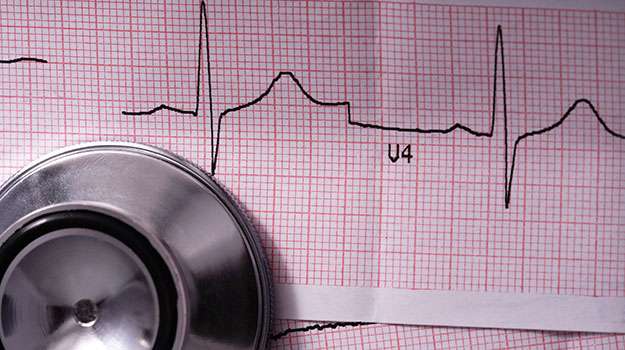
A cardiac stress test evaluates how well your heart performs under exertion by monitoring its response during exercise. The results help identify potential coronary artery problems based on physical performance capacity and associated symptoms like chest pain or lack of breath during activity.
- This test typically includes walking on a treadmill while being closely monitored through EKG readings that track heart rate and rhythm alongside blood pressure checks throughout different stages of exertion.
- Common indicators for this test encompass prior history of heart disease, unexplained fatigue during physical activities, or successful recovery after myocardial infarction (heart attack).
- If abnormalities arise indicating insufficient blood flow or electrical issues in response to stress levels, further diagnostic interventions may be warranted including angiography or medication adjustments。
- While generally safe , minor side effects such as fatigue , lightheadedness , or arrhythmias could occasionally occur , indicating need for careful supervision throughout testing .
Evaluation outcomes significantly contribute towards guiding ongoing treatment approaches tailored towards individual cardiovascular needs .
TRANSESOPHAGEAL ECHOCARDIOGRAM (TEE)
The transesophageal echocardiogram (TEE) offers a detailed view of the heart by inserting an ultrasound probe into the esophagus. This method allows for clearer imaging compared to standard echocardiograms because it gets closer to the heart without bone interference.
- Patients may undergo TEE when they have suspected blood clots, structural abnormalities, or valve diseases requiring further investigation beyond conventional tests.
- The procedure involves sedation; thus patients should arrange transportation home afterward due to temporary grogginess post-sedation.
- Treatment plans arising from TEE findings may involve surgical interventions or medication aimed at correcting identified issues like atrial fibrillation-related clots.
- No significant side effects are expected but mild sore throat might occur temporarily due to probe insertion.
This intricate examination presents crucial insights vital for an accurate diagnosis and effective management strategies for complex cardiac conditions.
HOLTER MONITOR
A Holter monitor is a portable device used for continuous recording of heart activity over 24-48 hours. This test captures irregularities in heart rhythm that may not appear during a standard examination.
- This monitoring is particularly useful for patients experiencing palpitations, dizziness, or fainting spells that could indicate underlying arrhythmias.
- Diagnosis involves wearing small electrodes attached to the skin connected to the recorder. Patients are encouraged to maintain daily activities while documenting symptoms in a diary for correlation with recorded data.
- If identified irregularities are found, treatment options may include lifestyle modifications or medication tailored to stabilize heart rhythms.
- No major restrictions apply during monitoring; however, avoiding bathing or swimming is recommended to ensure equipment integrity.
A Holter monitor provides valuable insights that assist healthcare providers in making informed decisions regarding ongoing cardiac care.
ECHOCARDIOGRAM
An echocardiogram is a crucial diagnostic tool that uses ultrasound waves to create moving images of the heart. It helps assess heart structure and function without any discomfort to the patient.
- Common indications for an echocardiogram include abnormal heart sounds, unexplained shortness of breath, or evaluation of existing cardiovascular conditions.
- The process is typically non-invasive and painless; it requires patients to lie down while a technician applies gel on the chest and moves a transducer over it.
- This test can reveal issues such as valve disorders, congenital defects, or signs of heart failure through detailed imaging.
- No special preparations are necessary, but patients may be advised to avoid large meals before testing for optimal results.
An echocardiogram is essential for determining appropriate treatment plans based on individual cardiac health assessments.
ANGIOPLASTY
Angioplasty is a minimally invasive procedure aimed at restoring blood flow through narrowed or blocked arteries, typically in the heart. This intervention can significantly improve symptoms of coronary artery disease and enhance overall cardiac function.
- Symptoms of blocked arteries often include chest pain (angina), shortness of breath, and fatigue during physical activities.
- The diagnosis usually involves tests such as coronary angiography, where a dye is injected into the arteries to visualize blockages on X-rays.
- Treatment generally entails balloon angioplasty, where a small balloon is inflated inside the artery to clear the blockage, often followed by placing a stent to keep the artery open.
- Post-procedure expectations may include monitored recovery time, possible medications for blood thinning, and lifestyle changes to maintain heart health.
This procedure can lead to significant relief from symptoms and lower the risk of serious cardiovascular events.