
Dr Mazula Gupta
About Me
Dr Mazula Gupta
MS
Cardiothorocic Surgeon
10 Years Experience
Biography
My Clinic
OPD Hours
| Monday | Morning | 10:00 AM | - | 02:00 PM |
| Evening | 06:00 PM | - | 09:00 PM | |
| Tuesday | Morning | 10:00 AM | - | 02:00 PM |
| Evening | 06:00 PM | - | 09:00 PM | |
| Wednesday | Morning | 10:00 AM | - | 02:00 PM |
| Evening | 06:00 PM | - | 09:00 PM | |
| Thursday | Morning | 10:00 AM | - | 02:00 PM |
| Evening | 06:00 PM | - | 09:00 PM | |
| Friday | Morning | 10:00 AM | - | 02:00 PM |
| Evening | 06:00 PM | - | 09:00 PM | |
| Saturday | Morning | 10:00 AM | - | 02:00 PM |
| Evening | 06:00 PM | - | 09:00 PM | |
| Sunday | Morning | 10:00 AM | - | 02:00 PM |
| Evening | 06:00 PM | - | 09:00 PM |
Treatments
Specialised care and treatments offered
CARDIAC REHABILITATION
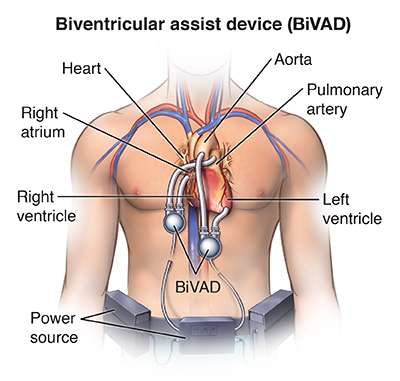
This medically supervised program supports recovery after a cardiac event like surgery or a heart attack. Engaging in cardiac rehabilitation promotes cardiovascular health while enhancing emotional well-being post-event through structured guidance tailored precisely per individual needs involved.
- Symptoms/Indications:The program suits those recovering from surgery or other cardiac episodes experiencing fatigue/breathlessness post-incident seeking improvements listed above .
- Diagnosis: A referral follows after evaluating patient history alongside recent clinical assessments demonstrating necessity followed by establishing personalized goals hence subsequently monitored throughout sessions ensuring safety during each stage.
- Treatment options: Components comprise exercise therapy emphasizing gradual increases tailored towards current ability nutritional counseling & educational workshops promoting preventive strategies beyond recovery itself forming seamless integration into daily life habits.
- What To Expect:
/ - The journey focuses not solely on physical gains yet mental resilience culminating long-term sustainable results fostering confidence reassuring continuity aligned jointly between healthcare providers relatives ultimately guaranteeing best outcomes advancing towards lasting wellness endeavors improving holistic wellbeing too!
HYPERLIPIDEMIA
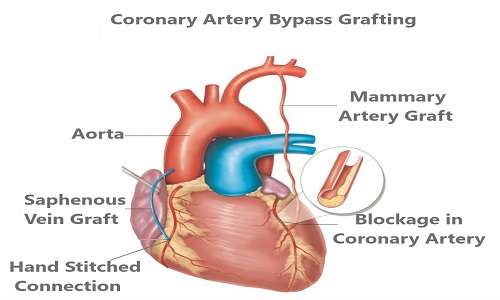
This condition involves elevated levels of lipids in the blood—including cholesterol—leading to increased cardiovascular risks. Understanding hyperlipidemia empowers patients toward actionable steps for better health outcomes.
- Symptoms : Typically asymptomatic; hence routine screening is critical for early detection .
- Causes : Poor dietary choices , sedentary lifestyles , genetic factors , or underlying conditions like diabetes contribute significantly .
- Diagnosis : Blood tests measure lipid levels allowing healthcare providers tailor intervention approaches accordingly .
- Treatment / Management Options : Dietary adjustments focusing on reducing saturated fats along with regular exercise significantly lower lipid levels alongside pharmacological interventions when necessary .
- What To Expect : Lifestyle modification demonstrates substantial effectiveness leading towards achieving target lipid levels positively reflecting cardiovascular health .
An informed approach combined with consistent follow-ups enhances overall wellness concerning hyperlipidemia management successfully .
HEART FAILURE MANAGEMENT
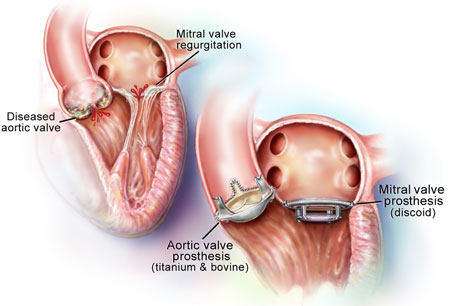
This chronic condition arises when the heart cannot pump effectively due to various underlying issues. Understanding heart failure allows patients to engage actively in their treatment plans for improved quality of life.
- Symptoms: Common symptoms include shortness of breath during everyday activities, swelling in legs or ankles, and extreme fatigue.
- Causes: Factors include coronary artery disease, high blood pressure, diabetes, and certain infections affecting heart function.
- Diagnosis : Physicians usually diagnose through medical history evaluation along with imaging tests such as echocardiograms or MRIs .
- Treatment / Management Options : A combination of medications , dietary modifications , fluid management , as well as regular physical activity forms part of an effective plan .
- What to Expect : Engaging consistently with your healthcare team helps manage symptoms effectively , enabling many patients maintain active lifestyles .
With dedicated support , individuals can navigate the challenges associated with heart failure positively .
MITRAL VALVE PROLAPSE
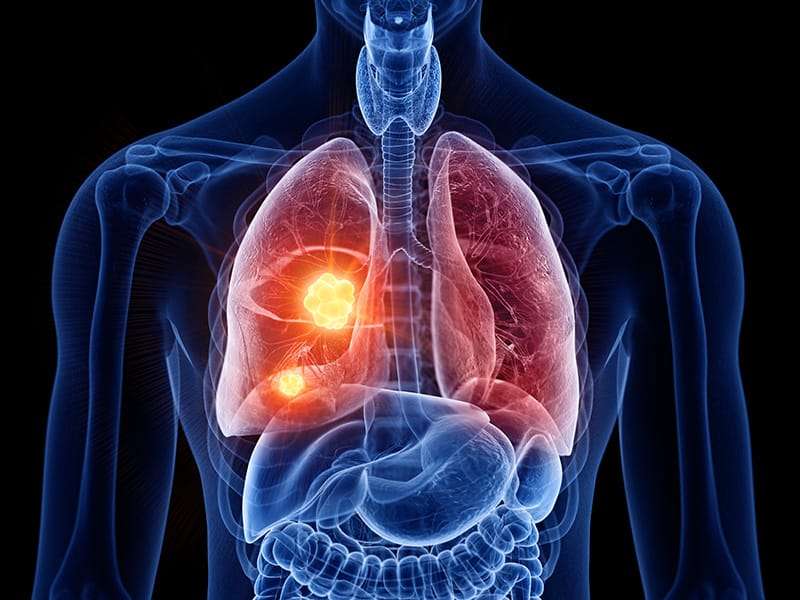
This condition occurs when the mitral valve does not close properly during heartbeats. While often benign, understanding mitral valve prolapse is important for recognizing potential symptoms and ensuring proper care.
- Symptoms: Many people are asymptomatic; however, some may experience palpitations or lightheadedness.
- Causes: Factors contributing to this condition include genetic predisposition and connective tissue disorders.
- Diagnosis: An echocardiogram is commonly used to visualize valve function and assess any regurgitation.
- Treatment/Management Options: In many cases, no treatment is necessary; however, maintaining a healthy lifestyle with regular check-ups plays a crucial role in monitoring the condition over time.
- What to Expect: Most individuals lead normal lives without significant restrictions while managing mild symptoms if they occur.
A proactive approach with regular medical evaluations ensures optimal management of this condition.
ATRIAL FIBRILLATION
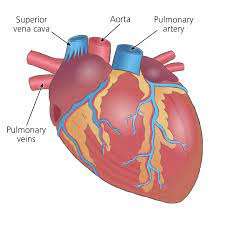
Atrial fibrillation (AFib) is an irregular heartbeat that can increase the risk of stroke and other heart-related complications. Recognizing AFib early can aid in effective management strategies tailored to individual needs.
- Symptoms: Common signs include rapid heartbeat, fluttering sensation in the chest, dizziness, and fatigue.
- Causes: AFib may arise from high blood pressure, heart disease, or lifestyle factors such as excessive alcohol consumption or obesity.
- Diagnosis: Diagnosis involves an ECG to monitor heart rhythms alongside possible echocardiograms for structural assessment.
- Treatment/Management Options: Management often includes medication for controlling heart rate or rhythm. Lifestyle modifications like weight loss and engagement in regular physical activity can be beneficial.
- What to Expect: Many people manage AFib successfully with appropriate treatment and lifestyle adjustments.
Pursuing a healthier lifestyle can greatly enhance overall cardiovascular wellness.
CORONARY ARTERY DISEASE
Coronary artery disease (CAD) is a common heart condition that occurs when the coronary arteries become narrowed or blocked due to plaque buildup. This can lead to chest pain, heart attacks, and other complications. Understanding CAD is crucial for effective management and prevention.
- Symptoms: Common symptoms include chest pain or discomfort, shortness of breath, fatigue, and palpitations.
- Causes: The primary cause is atherosclerosis, which is the accumulation of fatty deposits in the arteries that restrict blood flow.
- Diagnosis: Doctors typically use physical exams, blood tests, electrocardiograms (ECG), and imaging techniques like angiography to diagnose CAD.
- Treatment/Management Options: Lifestyle changes such as adopting a heart-healthy diet, regular exercise, and managing stress are essential. Medications may also be prescribed to control cholesterol levels and blood pressure.
- What to Expect: With proper management, many individuals can lead healthy lives and reduce their risk of further heart issues.
A proactive approach toward lifestyle changes can significantly improve heart health.