
Dr Md Bashir Al
About Me
Dr Md Bashir Al
MD
Dermatologist
10 Years Experience
Biography
My Clinic
OPD Hours
| Monday | Morning | 10:00 AM | - | 02:00 PM |
| Evening | 06:00 PM | - | 09:00 PM | |
| Tuesday | Morning | 10:00 AM | - | 02:00 PM |
| Evening | 06:00 PM | - | 09:00 PM | |
| Wednesday | Morning | 10:00 AM | - | 02:00 PM |
| Evening | 06:00 PM | - | 09:00 PM | |
| Thursday | Morning | 10:00 AM | - | 02:00 PM |
| Evening | 06:00 PM | - | 09:00 PM | |
| Friday | Morning | 10:00 AM | - | 02:00 PM |
| Evening | 06:00 PM | - | 09:00 PM | |
| Saturday | Morning | 10:00 AM | - | 02:00 PM |
| Evening | 06:00 PM | - | 09:00 PM | |
| Sunday | Morning | 10:00 AM | - | 02:00 PM |
| Evening | 06:00 PM | - | 09:00 PM |
Treatments
Specialised care and treatments offered
ROSACEA
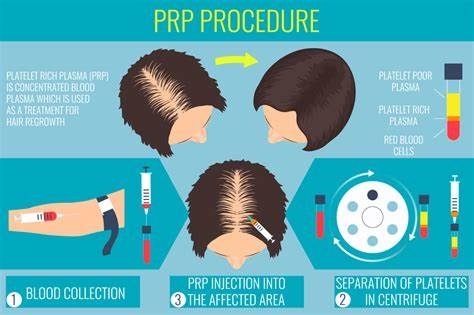
This chronic skin disorder primarily causes facial redness along with visible blood vessels. Rosacea commonly affects fair-skinned individuals between 30-50 years old but can occur across all demographics...
HYPERPIGMENTATION
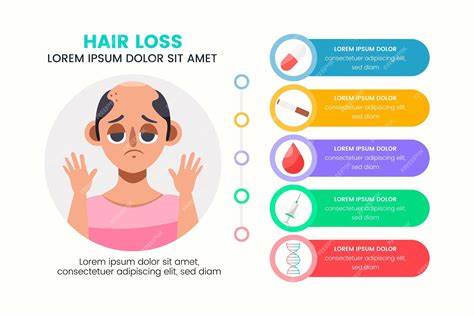
This condition manifests as dark spots or patches on the skin due to an excess production of melanin. Hyperpigmentation can be triggered by sun exposure, hormonal changes, or certain medications—making it essential to diagnose correctly for effective management.
- Main symptoms are darkened areas that may appear anywhere on your body but are most common on sun-exposed areas like the face or hands.
- An initial evaluation along with a thorough patient history helps in confirming a differential diagnosis.
- Treatment options encompass topical agents like hydroquinone and chemical peels aimed at reducing pigment concentration over time.
- Adopting sun protection measures plays a crucial role in preventing further discoloration post-treatment.
- Managing expectations regarding treatment duration is important; improvements may take several weeks depending upon individual response.
Proactively seeking treatment for hyperpigmentation leads not only to improved appearance but also enhances overall confidence when facing daily challenges.
SEBORRHEIC DERMATITIS
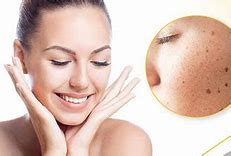
This common scalp condition often appears as red patches covered in oily yellowish scales. Although it primarily affects the scalp, it can also develop in other greasy areas like the face or behind the ears.
- Main symptoms include dandruff-like flakes and itchy scalp leading to discomfort.
- A dermatologist typically performs a visual assessment for a definitive disease diagnosis.
- Treatment approaches include medicated shampoos containing zinc pyrithione or ketoconazole which help to control oil production and inflammation.
- Lifestyle modifications like proper scalp hygiene play a vital role in managing this condition effectively over time.
- Your doctor will guide you on what results you should expect from consistent treatment applications over several weeks or months for best outcomes.
If you experience symptoms of seborrheic dermatitis, early consultation is advised to prevent progression and maintain scalp health effectively!
ECZEMA (ATOPIC DERMATITIS)
Eczema is an inflammatory skin condition marked by dry, itchy patches on the skin. It can affect individuals of all ages but is particularly common in children.
- The primary symptoms include severe itching, redness, and dryness around affected areas such as elbows or knees.
- A healthcare professional can diagnose eczema based on clinical history and physical examination findings alone.
- Treatment focuses on moisturizing therapies and topical corticosteroids to reduce inflammation during flare-ups.
- Avoiding known triggers such as allergens or irritants can significantly improve symptoms over time.
- Persistent care will lead to gradual improvement of signs and sensitivity levels.
Eczema management involves both treatment strategies as well as patient education on maintaining skin health effectively.
PSORIASIS
This chronic autoimmune condition causes the rapid buildup of skin cells leading to scaling on the skin's surface. Psoriasis is characterized by red patches covered with thick, silvery scales.
- The most common symptoms include dry patches that itch or burn.
- A dermatologist usually diagnoses psoriasis through a physical examination of the affected areas.
- Treatment methods can range from topical ointments to phototherapy, depending on severity.
- Lifestyle changes such as stress reduction techniques have proven beneficial in managing flare-ups.
- A comprehensive approach will help patients understand what to expect, emphasizing gradual improvement rather than immediate results.
Coping with psoriasis requires an informed approach to management that combines medical treatment with healthy lifestyle choices.
ACNE VULGARIS
Acne vulgaris is a common skin condition that affects many individuals, particularly during adolescence. It occurs when hair follicles become clogged with oil and dead skin cells, leading to the formation of pimples or cysts.
- Symptoms include whiteheads, blackheads, and inflammatory lesions on the face, back, and shoulders.
- Diagnosis often involves a physical examination and typically does not require laboratory tests.
- Treatment options may include topical retinoids, benzoyl peroxide, and oral antibiotics for severe cases.
- An effective management strategy also includes lifestyle modifications such as regular cleansing and avoiding harsh products.
- Expectations can vary; while some may see improvement in weeks, complete resolution might take several months.
Understanding acne vulgaris helps in taking proactive steps towards management and prevention of future outbreaks.