
Dr Meena Chandra
About Me
Dr Meena Chandra
Cardiologist
Biography
My Clinic
OPD Hours
| Monday | Morning | 10:00 AM | - | 02:00 PM |
| Evening | 06:00 PM | - | 09:00 PM | |
| Tuesday | Morning | 10:00 AM | - | 02:00 PM |
| Evening | 06:00 PM | - | 09:00 PM | |
| Wednesday | Morning | 10:00 AM | - | 02:00 PM |
| Evening | 06:00 PM | - | 09:00 PM | |
| Thursday | Morning | 10:00 AM | - | 02:00 PM |
| Evening | 06:00 PM | - | 09:00 PM | |
| Friday | Morning | 10:00 AM | - | 02:00 PM |
| Evening | 06:00 PM | - | 09:00 PM | |
| Saturday | Morning | 10:00 AM | - | 02:00 PM |
| Evening | 06:00 PM | - | 09:00 PM | |
| Sunday | Morning | 10:00 AM | - | 02:00 PM |
| Evening | 06:00 PM | - | 09:00 PM |
Treatments
Specialised care and treatments offered
PACEMAKER INSERTION

A pacemaker insertion involves placing a small device that helps control abnormal heart rhythms via electrical signals. This procedure aims to ensure proper heartbeat rates in patients experiencing bradycardia (slow heartbeat).
- Pacing is typically recommended after extensive evaluations reveal persistent symptoms such as dizziness or fainting due to low pulse rates leading to inadequate blood flow throughout the body!
STRESS TESTING
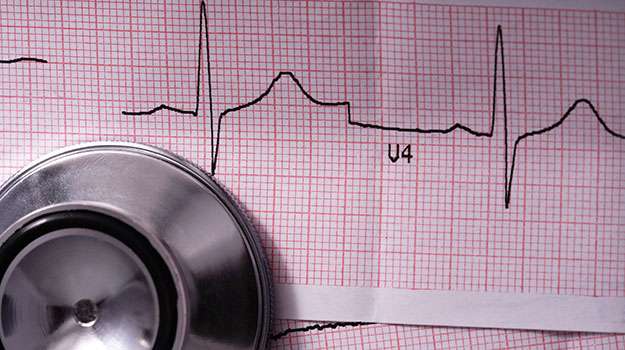
A stress test evaluates how the heart performs under physical exertion. It's essential for diagnosing various cardiovascular conditions by measuring how well your heart responds during increased activity levels.
- This assessment helps identify problems with blood flow within the coronary arteries or any symptoms suggestive of underlying diseases like angina or arrhythmias during exertion periods.
- Pacing factors include age, fitness levels, medications taken at that time, which influence results profoundly if not communicated fully to your physician prior to testing day!
CARDIAC REHABILITATION
Cardiac rehabilitation provides structured support for individuals recovering from heart-related issues. This comprehensive program includes medical evaluation, exercise training, education on lifestyle changes, and counseling aimed at improving cardiovascular health.
- This program is tailored for individuals recovering from surgeries like bypass grafting or those who have suffered myocardial infarctions (heart attacks).
- Semi-supervised exercises enhance endurance, strength, and overall cardiac fitness while closely monitoring vital signs throughout sessions.
- The duration commonly extends from several weeks to months based on individual recovery needs and response to therapy.
HOLTER MONITORING
A Holter monitor provides continuous recording of the heart's electrical activity over 24-48 hours. It’s particularly useful for detecting irregularities that might not appear during a standard ECG test.
- This monitoring technique helps diagnose arrhythmias, syncope episodes, or palpitations experienced by patients at home.
- The primary symptom indicating the need for this test usually revolves around unexplained fainting or dizziness episodes.
- The device is lightweight and attached using electrodes placed on the skin; patients can go about their daily activities while wearing it.
- A doctor will analyze the recorded data afterward to provide insights into cardiac health or necessary interventions.
ECHOCARDIOGRAM
An echocardiogram is an ultrasound test that creates images of the heart's structure and function. This non-invasive test helps in diagnosing various cardiac conditions, ensuring timely treatment intervention.
- This procedure can identify issues such as valvular heart disease, chamber size abnormalities, and congenital heart defects.
- Common symptoms prompting this test include persistent shortness of breath, unexplained fatigue, or irregular heartbeat.
- The test typically lasts about 30-60 minutes and poses no risks or side effects for most patients.
- No special preparation is required; however, wearing comfortable clothing can be beneficial during the test.
Echocardiograms play a critical role in understanding heart health and guiding management strategies.
CORONARY ANGIOPLASTY
Coronary angioplasty is a minimally invasive procedure used to open blocked or narrowed coronary arteries. The goal is to restore blood flow to the heart muscle, alleviating symptoms like chest pain (angina) and improving overall heart function.
- Symptoms of blocked arteries typically include chest discomfort, fatigue, shortness of breath, and even heart attacks.
- Diagnosis often involves tests such as electrocardiograms, stress tests, and angiograms.
- Treatment may involve balloon inflation in the artery, often followed by the placement of a stent to maintain openness.
- Expect minimal downtime post-procedure, with many patients resuming normal activities within a few days.
This treatment is generally safe and can significantly reduce the risk of future cardiac events.