
Dr Meenakshis W
About Me
Dr Meenakshis W
MBBS
Internal Medicine
10 Years Experience
Biography
My Clinic
OPD Hours
| Monday | Morning | 10:00 AM | - | 02:00 PM |
| Evening | 06:00 PM | - | 09:00 PM | |
| Tuesday | Morning | 10:00 AM | - | 02:00 PM |
| Evening | 06:00 PM | - | 09:00 PM | |
| Wednesday | Morning | 10:00 AM | - | 02:00 PM |
| Evening | 06:00 PM | - | 09:00 PM | |
| Thursday | Morning | 10:00 AM | - | 02:00 PM |
| Evening | 06:00 PM | - | 09:00 PM | |
| Friday | Morning | 10:00 AM | - | 02:00 PM |
| Evening | 06:00 PM | - | 09:00 PM | |
| Saturday | Morning | 10:00 AM | - | 02:00 PM |
| Evening | 06:00 PM | - | 09:00 PM | |
| Sunday | Morning | 10:00 AM | - | 02:00 PM |
| Evening | 06:00 PM | - | 09:00 PM |
Treatments
Specialised care and treatments offered
IRON DEFICIENCY ANEMIA
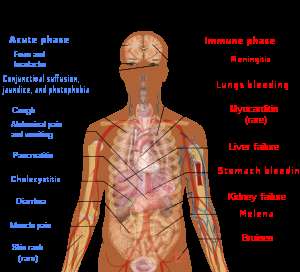
This type of anemia results from insufficient iron levels leading to decreased red blood cell production. Early recognition and treatment are important to alleviate fatigue and prevent further health issues associated with oxygen transport deficits in the body.
- Causes & symptoms : Blood loss , poor dietary intake ; fatigue , pallor , shortness of breath common signs .
- Diagnostic process : Complete blood count indicating low hemoglobin ; serum ferritin confirms iron deficiency .
- Treatment modalities : Oral iron supplements usually started ; dietary improvements emphasized .
- Follow-up care : Monitoring response through repeat labs ; assess for underlying causes if refractory .
The goal is restoring normal iron stores safely while addressing any bleeding sources or nutritional gaps causing the deficiency initially.
HYPOTHYROIDISM MANAGEMENT
An underactive thyroid gland results in insufficient hormone production affecting metabolism. Proper diagnosis and treatment restore balance helping patients feel energetic again while preventing complications related to this hormone deficiency.
- Symptoms & causes : Fatigue , weight gain , cold intolerance ; commonly due to autoimmune thyroiditis .
- How diagnosed : Blood test showing elevated TSH with low thyroid hormone levels .
- Treatment options : Daily thyroid hormone replacement therapy using levothyroxine .
- Monitoring : Regular blood tests ensure correct dosing tailored over time .
Consistent medication adherence alongside periodic evaluations ensures effective management for hypothyroidism , improving overall well-being .
GASTROESOPHAGEAL REFLUX DISEASE (GERD)
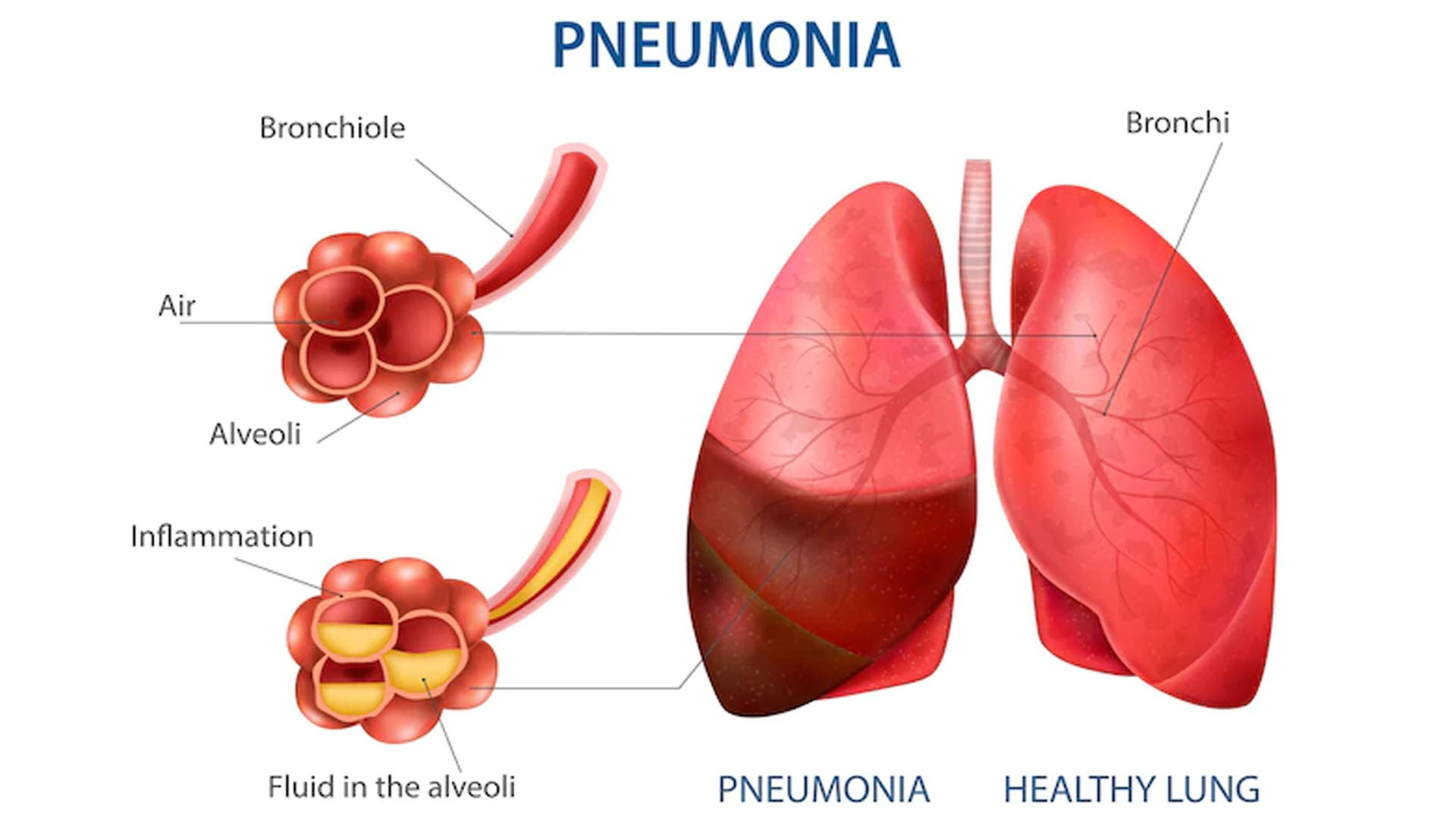
This digestive disorder occurs when stomach acid frequently flows back into the tube connecting your mouth and stomach (esophagus), causing discomfort. Managing GERD can greatly improve daily comfort and prevent complications like esophagitis.
- Main symptoms: Heartburn, regurgitation of food or sour liquid, chest discomfort after eating or lying down.
- Diagnosis methods: Clinical evaluation supported by endoscopy or pH monitoring if needed for unclear cases.
- Treatment strategy: Dietary adjustments avoiding triggers; antacids or proton pump inhibitors reduce acid production;
- Lifestyle advice:
CHRONIC OBSTRUCTIVE PULMONARY DISEASE (COPD) CARE
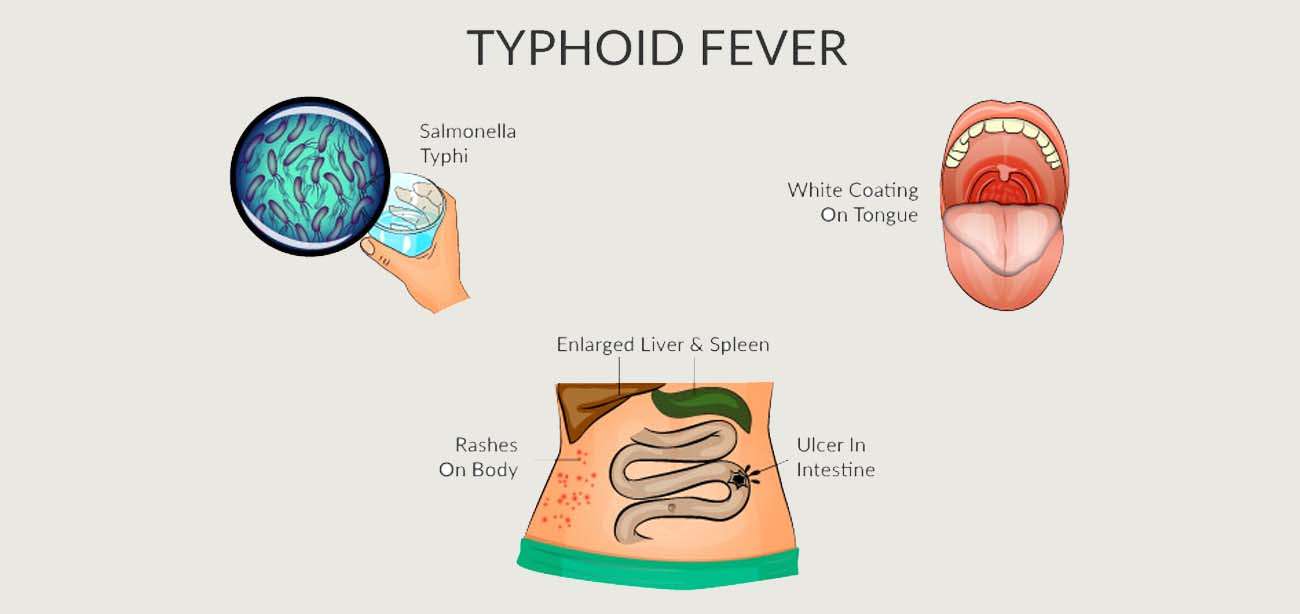
COPD is a progressive lung disease characterized by difficulty breathing due to airflow obstruction. It primarily results from long-term exposure to harmful irritants like tobacco smoke.
- Symptoms & causes: Persistent cough, shortness of breath; mainly caused by smoking or environmental factors.
- Diagnosis: Pulmonary function tests measure airflow limitations; imaging tests may assist in evaluation.
- Treatment approaches: Smoking cessation is crucial; bronchodilators, steroids, oxygen therapy may be prescribed depending on severity.
- Disease management: Pulmonary rehabilitation programs improve quality of life through exercise training and education.
A proactive care plan focusing on symptom relief and slowing progression can help maintain better respiratory function over time.
TYPE 2 DIABETES MELLITUS
This chronic condition affects how your body processes blood sugar (glucose), leading to elevated levels that can cause various health issues over time. Effective management helps prevent complications such as nerve damage and cardiovascular disease.
- Causes and symptoms: Insulin resistance often linked to obesity; symptoms include increased thirst, frequent urination, fatigue.
- Diagnostic methods: Fasting blood glucose tests, HbA1c measurement for average glucose control assessment.
- Treatment options: Lifestyle changes like diet adjustment and exercise; oral medications or insulin therapy when necessary.
- Lifestyle management: Weight control, balanced nutrition, regular physical activity vital for optimal control.
Lifelong monitoring and cooperation between patient and healthcare provider ensure effective diabetes control and reduced risk of serious consequences.
HYPERTENSION MANAGEMENT
High blood pressure, or hypertension, is a common condition that can lead to serious health complications if left unmanaged. It often has no symptoms but significantly increases the risk of heart disease and stroke.
- Symptoms and causes: Usually asymptomatic; causes include genetics, lifestyle factors, and other health conditions.
- Diagnosis: Blood pressure readings taken on multiple occasions; ambulatory monitoring may be used.
- Treatment: Lifestyle modifications such as diet and exercise; medications like ACE inhibitors, diuretics, or beta-blockers may be prescribed.
- Management: Regular follow-ups are essential to monitor treatment effectiveness and adjust as needed.
- What to expect: With consistent management, blood pressure can be controlled to reduce risks of complications.
Proper adherence to treatment plans and lifestyle changes is crucial in maintaining healthy blood pressure levels and preventing long-term damage to organs.