
Dr Meghna Mour
About Me
Dr Meghna Mour
Dermatologist
Biography
My Clinic
OPD Hours
| Tuesday | Morning | 10:00 AM | - | 02:00 PM |
| Evening | 06:00 PM | - | 09:00 PM | |
| Wednesday | Morning | 10:00 AM | - | 02:00 PM |
| Evening | 06:00 PM | - | 09:00 PM | |
| Thursday | Morning | 10:00 AM | - | 02:00 PM |
| Evening | 06:00 PM | - | 09:00 PM | |
| Friday | Morning | 10:00 AM | - | 02:00 PM |
| Evening | 06:00 PM | - | 09:00 PM | |
| Saturday | Morning | 10:00 AM | - | 02:00 PM |
| Evening | 06:00 PM | - | 09:00 PM | |
| Sunday | Morning | 10:00 AM | - | 02:00 PM |
| Evening | 06:00 PM | - | 09:00 PM | |
| Thursday | Morning | 10:00 AM | - | 02:00 PM |
| Evening | 06:00 PM | - | 09:00 PM |
Treatments
Specialised care and treatments offered
CONTACT DERMATITIS EVALUATION
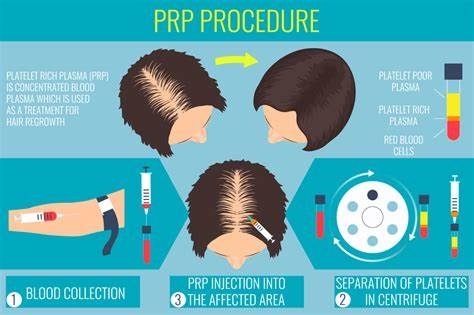
A contact dermatitis evaluation focuses on identifying irritation sources causing allergic reactions on the skin's surface when exposed to certain substances. Recognizing these irritants helps prevent further outbreaks.
- Symptoms Identified & < b ; option ,choices available treatments include removing irritants followed by anti-itch creams soothing irritated surfaces protecting against re-exposure!< ; < / u l />< di managing conditions while transitioning into improvement phases!< ; < . ,< finding methods prevents potential flare-ups moving forward!<./lookup.com/reading_affiliates.html/3ender2.info#4fdc3a.exe
HAIR LOSS EVALUATION
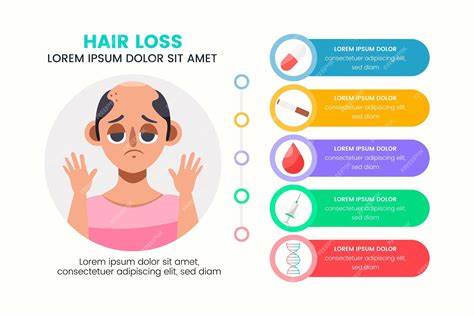
A comprehensive hair loss evaluation helps determine underlying causes affecting hair health. Understanding these causes is key to appropriate management strategies tailored for each individual patient.
- Symptoms : Hair shedding or thinning are common indicators prompting consultation; patterns vary between individuals.
- Causes : Factors range from hormonal changes to nutritional deficiencies or autoimmune disorders impacting hair follicles.
- Diagnosis Methods : Diagnosis may involve physical examinations alongside blood tests or scalp biopsies for more insights into underlying issues.
- Treatment Approaches : Solutions might include topical minoxidil or prescription medications targeting specific triggers identified during evaluations.
An informed approach allows individuals facing hair loss challenges access valuable treatment options designed just for them.
MELANOMA SCREENING
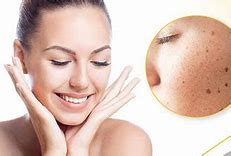
Melanoma screening is vital for early detection of skin cancer. Regular checks can lead to timely interventions that significantly improve outcomes for patients at risk.
- Symptoms to Watch For: Changes in existing moles or new growths should trigger concern; look for asymmetry or irregular edges in moles.
- Causes : Ultraviolet radiation exposure from the sun or tanning beds increases the risk of developing melanoma over time.
- Diagnosis : Dermatologists conduct visual assessments during screenings; biopsy may be necessary if suspicious moles are found.
- Screening Recommendations : Regular self-examinations along with professional dermatological screenings are advised based on individual risk factors.
- Importance of Early Detection : Catching melanoma early greatly enhances treatment success rates.
Being proactive through regular screenings empowers patients toward protecting their long-term health against melanoma.
ECZEMA (ATOPIC DERMATITIS)
Eczema, also known as atopic dermatitis, is a chronic inflammatory skin condition that causes itchy rashes. It can occur at any age but often starts in childhood.
- Symptoms: Individuals may experience dry patches that can become inflamed or cracked; itching is frequently reported.
- Causes: Genetic factors combined with environmental triggers such as allergens or irritants contribute to the onset of eczema.
- Diagnosis: Diagnosis involves assessing medical history and examining the affected areas; patch testing may be performed for allergies.
- Treatment Options: Treatments include moisturizers to maintain hydration and topical steroids to reduce inflammation during flare-ups.
- Management : Identifying triggers and implementing lifestyle changes are essential components in controlling eczema effectively.
Learning about this disease helps patients take proactive steps toward better management options available.
PSORIASIS
Psoriasis is a chronic autoimmune condition characterized by rapid skin cell growth that leads to scaling on the skin's surface. It often appears as red patches covered with thick silvery scales.
- Symptoms: Common symptoms include dry patches of skin that itch or burn, with varying severity across individuals.
- Causes: Factors like stress, infections, or injury can trigger flare-ups in patients predisposed to psoriasis.
- Diagnosis: A dermatologist typically evaluates psoriasis through visual examination; sometimes a biopsy is conducted for confirmation.
- Treatment Options: Options range from topical treatments like corticosteroids to systemic therapies depending on the severity of symptoms.
- Management Strategies: Lifestyle adjustments such as moisturizing regularly and avoiding triggers can significantly help manage flare-ups.
Effective treatment planning can lead to improved quality of life for those affected by psoriasis.
ACNE VULGARIS
Acne vulgaris is a common skin condition that affects many individuals, particularly during adolescence. It results from the clogging of hair follicles with oil and dead skin cells, leading to a range of lesions.
- Symptoms: This condition typically presents as pimples, blackheads, and cysts mainly on the face, back, and shoulders.
- Causes: Hormonal changes, excess oil production, and bacterial infection play significant roles in acne development.
- Diagnosis: A dermatologist can usually diagnose acne through a physical examination; occasionally, lab tests may be used to identify underlying issues.
- Treatment Options: Treatments include topical retinoids, antibiotics, and hormone therapy. In severe cases, oral medications such as isotretinoin may be prescribed.
- Management: Maintaining proper hygiene and using non-comedogenic products are key strategies in managing acne.
Understanding this condition is crucial for effective management and treatment options available to improve skin health.