
Dr Megraj Jhalan
About Me
Dr Megraj Jhalan
BDS
Dentist
Biography
My Clinic
OPD Hours
| Monday | Morning | 10:00 AM | - | 02:00 PM |
| Evening | 06:00 PM | - | 09:00 PM | |
| Tuesday | Morning | 10:00 AM | - | 02:00 PM |
| Evening | 06:00 PM | - | 09:00 PM | |
| Wednesday | Morning | 10:00 AM | - | 02:00 PM |
| Evening | 06:00 PM | - | 09:00 PM | |
| Thursday | Morning | 10:00 AM | - | 02:00 PM |
| Evening | 06:00 PM | - | 09:00 PM | |
| Friday | Morning | 10:00 AM | - | 02:00 PM |
| Evening | 06:00 PM | - | 09:00 PM | |
| Saturday | Morning | 10:00 AM | - | 02:00 PM |
| Evening | 06:00 PM | - | 09:00 PM | |
| Sunday | Morning | 10:00 AM | - | 02:00 PM |
| Evening | 06:00 PM | - | 09:00 PM |
Treatments
Specialised care and treatments offered
DENTAL IMPLANTS
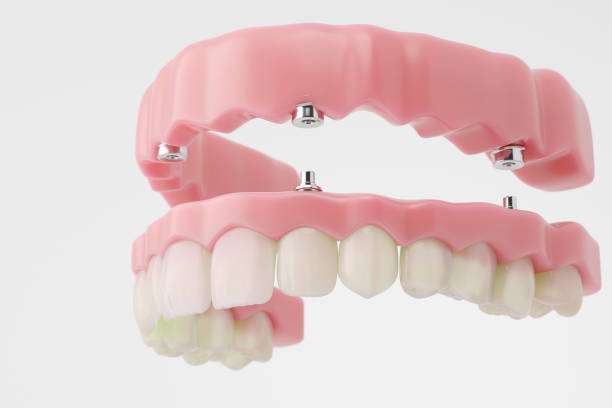
Dental implants offer a permanent solution for missing teeth through titanium posts surgically placed into the jawbone. They fuse with bone tissue over time providing necessary support for artificial crowns mimicking natural teeth functionally and aesthetically
- Candidates: Healthy adults without chronic diseases affecting healing processes generally make ideal candidates for implants
- Procedure Overview: The process starts with evaluations including imaging tests followed by placement surgery then waiting period before attaching crowns
- Benefits: Implants prevent bone loss maintain facial structure restore full chewing capability which enhances quality life immensely
This innovative method improves overall confidence allowing individuals regain their smile without worrying about cumbersome removable dentures bringing long-term satisfaction!
ROOT CANAL TREATMENT
A root canal is a procedure designed to treat infections at the center of a tooth (the pulp). While often feared due to misconceptions about pain, it actually alleviates discomfort caused by decay or injury. Understanding this procedure helps demystify it for patients needing care.
- Symptoms: Severe toothache that worsens with pressure indicates possible pulp damage.
- Diagnosis: Tooth vitality tests and X-rays help determine if root canal therapy is required based on pulp status.
- Treatment Steps: The process involves removing infected tissue from inside your tooth followed by cleaning it thoroughly before sealing it back up again.
- Recovery: After treatment you may experience mild discomfort but should see improvement within days as healing begins.
Root canals ultimately save teeth that might otherwise need extraction ensuring they serve you well into the future.
ORAL CANCER SCREENING
An oral cancer screening is an examination performed by a dentist to identify any potential signs of oral cancer early on. Timely detection plays a crucial role in successful treatment outcomes. Engaging with routine screenings is essential for at-risk individuals.
- Sensitivity Factors: Risk factors include tobacco usage, excessive alcohol intake, HPV infection, and previous history of oral cancer.
TOOTH SENSITIVITY
Sensitivity in teeth is a common issue characterized by discomfort or pain when exposed to hot or cold stimuli. It can arise due to several factors affecting the enamel or underlying dentin. Understanding its causes can aid effective management.
- Symptoms: Patients often report sharp pain when consuming hot drinks or cold foods.
- Causes: Possible reasons include worn enamel, receding gums exposing roots, cracked teeth, or certain dental procedures.
- Diagnosis: A dentist evaluates sensitivity through clinical examinations and patient history regarding food triggers.
- Treatment Options: Treatment might involve desensitizing toothpaste, fluoride gels for strengthening enamel, or dental procedures for more serious cases.
A proactive approach can greatly reduce the discomfort associated with tooth sensitivity over time.
GUM DISEASE
Gum disease, or periodontal disease, is an infection of the gums surrounding the teeth. It can affect anyone but is often seen in adults. Early stages may not present noticeable symptoms but can lead to serious complications if untreated.
- Causes: Poor oral hygiene resulting in plaque buildup is a primary cause of gum disease.
- Symptoms: Common signs include swollen gums, bleeding while brushing or flossing, persistent bad breath, and loose teeth.
- Diagnosis: A dentist will perform a thorough examination of your gums using a probe to measure pocket depths around each tooth.
- Treatment Options: Treatments may involve deep cleaning (scaling and root planing), medication for infections, or surgery in severe cases.
- What to Expect: Improvement in gum health can be seen within weeks with proper treatment and care.
Taking proactive measures against gum disease can significantly enhance overall dental health.
CAVITIES
Cavities, also known as dental caries, are a common dental problem caused by tooth decay. This condition occurs when the enamel on your teeth is eroded by acids produced by bacteria that feed on sugars in food. Early detection and treatment are key to maintaining oral health.
- Symptoms: Initial signs include tooth sensitivity, visible holes or pits in teeth, and pain when chewing.
- Diagnosis: Dentists typically diagnose cavities through visual examination and X-rays to assess the extent of decay.
- Treatment Options: Depending on severity, treatments range from fluoride treatments for early decay to fillings for more advanced cases.
- Management: Regular dental checkups and maintaining good oral hygiene can prevent cavities from developing further.
- What to Expect: After treatment, it’s normal to experience some sensitivity that usually subsides after a few days.
Catching cavities early can save your teeth and preserve your smile for years to come.