
Dr Mehak Advani
About Me
Dr Mehak Advani
MD
General Physician
22 Years Experience
Biography
My Clinic
OPD Hours
| Monday | Morning | 09:00 AM | ||
| Evening | 09:00 PM | |||
| Tuesday | Morning | 09:00 AM | ||
| Evening | 09:00 PM | |||
| Wednesday | Morning | 09:00 AM | ||
| Evening | 09:00 PM | |||
| Thursday | Morning | 09:00 AM | ||
| Evening | 09:00 PM | |||
| Friday | Morning | 09:00 AM | ||
| Evening | 09:00 PM |
Treatments
Specialised care and treatments offered
ALLERGY TESTING
An allergy occurs when the immune system responds abnormally to substances called allergens. Allergy testing helps identify specific triggers so individuals can avoid them effectively for better health outcomes.
- Common allergens include pollen, dust mites, pet dander, certain foods; symptoms might manifest as sneezing, itching eyes/nose/throat or skin rashes among others depending on exposure type.
- Testing methods usually entail skin prick tests or blood tests which measure immune response levels against suspected allergens providing critical insight into individual sensitivities.
- Post-testing results guide management strategies including avoidance protocols alongside potential medication options to alleviate symptoms should exposure occur despite precautions taken.
- Regular follow-up consultations are important because new allergies can develop over time necessitating ongoing assessment of one's allergy profile.
By recognizing triggers through targeted testing efforts patients gain valuable understanding contributing toward improved overall quality of life experiencing less troublesome reactions resulting from allergenic exposures.
GASTROESOPHAGEAL REFLUX DISEASE (GERD)

Gastroesophageal reflux disease (GERD) occurs when stomach acid frequently flows back into the esophagus. This backwash can irritate the esophagus lining leading to discomfort and other long-term complications if left untreated.
- Main symptoms typically involve persistent heartburn, regurgitation of food or sour liquid, difficulty swallowing, and an aching throat sensation after eating meals.
- Diagnosis often involves reviewing symptom history along with potential endoscopic procedures or pH monitoring methods that gauge acid exposure in the esophagus.
- Management includes lifestyle changes like dietary modifications alongside medications such as antacids or proton pump inhibitors aimed at reducing stomach acid production.
- Long-term management usually requires ongoing assessment; patients should anticipate regular visits to fine-tune their treatment approach based on symptom progression.
Effective management of GERD greatly enhances quality of life by alleviating discomfort caused by this chronic condition.
RESPIRATORY INFECTIONS
Respiratory infections affect the airways leading into the lungs. They can range from mild colds to more serious conditions like pneumonia. Understanding these infections is vital for appropriate treatment and prevention strategies.
- Common symptoms often include coughs, fever, sore throat, and difficulty breathing; some infections can lead to severe illness if not addressed promptly.
- A healthcare provider will typically diagnose respiratory infections through physical examinations combined with imaging or laboratory tests when necessary.
- Treatment options vary but may involve rest, hydration, antibiotics for bacterial infections, or antiviral medications for viral infections based on diagnosis specifics.
- Persistent cases require follow-up evaluations to ensure recovery aligns with expected outcomes; additional care might be needed in chronic cases or those at risk of complications.
Timely intervention is key in managing respiratory infections effectively and preventing escalation into more serious health issues.
THYROID DISORDERS
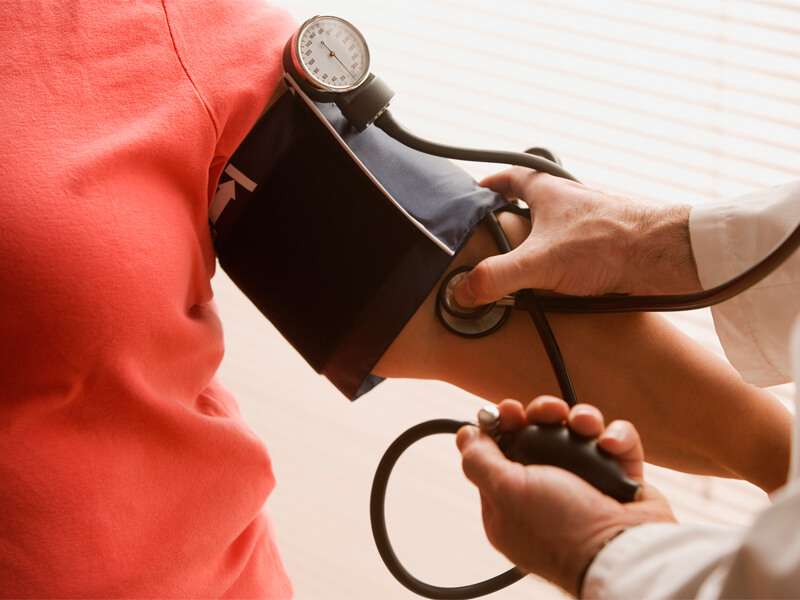
Thyroid disorders encompass conditions that affect the thyroid gland's function. The thyroid plays a vital role in regulating metabolism, energy generation, and overall hormonal balance within the body.
- Common disorders include hypothyroidism (underactive thyroid) and hyperthyroidism (overactive thyroid), with symptoms ranging from weight changes to mood fluctuations.
- Diagnosis generally includes blood tests measuring Thyroid Stimulating Hormone (TSH) levels along with thyroid hormone levels for thorough evaluation.
- Treatment may involve hormone replacement therapy or medications aimed at regulating hormone production depending on the disorder type.
- Regular monitoring through follow-up tests ensures that treatment remains effective over time, adapting as necessary based on patient response.
A comprehensive approach to managing thyroid conditions helps restore hormonal balance and improves overall well-being.
DIABETES MANAGEMENT

Diabetes refers to a group of diseases that affect how your body uses blood sugar (glucose). Managing diabetes is crucial in preventing complications such as heart disease, kidney damage, and nerve issues.
- The most common types are Type 1 and Type 2 diabetes; symptoms may include increased thirst, frequent urination, and fatigue.
- A healthcare provider will conduct glucose testing or A1C tests to confirm diagnosis and monitor control over time.
- Treatment focuses on lifestyle adjustments like nutrition education, regular exercise, and medication or insulin therapy when necessary.
- Patients should engage in regular follow-ups to assess their progress and adjust their management plan as needed.
Effective diabetes management allows individuals to lead a healthy life while minimizing complications related to the disease.
HYPERTENSION

Hypertension, commonly known as high blood pressure, is a condition where the force of the blood against the artery walls is consistently too high. This condition can lead to severe health complications if not managed properly.
- Symptoms may include headaches, shortness of breath, and nosebleeds, but often there are no noticeable symptoms.
- Diagnosis typically involves measuring blood pressure on multiple occasions and may also include additional tests to assess heart health.
- Management options include lifestyle changes such as diet and exercise, along with medications prescribed to lower blood pressure levels.
- Regular monitoring is essential; patients should expect periodic check-ups to adjust treatment as necessary.
With proper management, individuals can maintain optimal blood pressure levels and significantly reduce health risks associated with hypertension.