
Dr Mehul Bhatt
About Me
Dr Mehul Bhatt
Cardiologist
Biography
My Clinic
OPD Hours
| Tuesday | Morning | 10:00 AM | - | 02:00 PM |
| Evening | 06:00 PM | - | 09:00 PM | |
| Wednesday | Morning | 10:00 AM | - | 02:00 PM |
| Evening | 06:00 PM | - | 09:00 PM | |
| Thursday | Morning | 10:00 AM | - | 02:00 PM |
| Evening | 06:00 PM | - | 09:00 PM | |
| Friday | Morning | 10:00 AM | - | 02:00 PM |
| Evening | 06:00 PM | - | 09:00 PM | |
| Saturday | Morning | 10:00 AM | - | 02:00 PM |
| Evening | 06:00 PM | - | 09:00 PM | |
| Sunday | Morning | 10:00 AM | - | 02:00 PM |
| Evening | 06:00 PM | - | 09:00 PM | |
| Thursday | Morning | 10:00 AM | - | 02:00 PM |
| Evening | 06:00 PM | - | 09:00 PM |
Treatments
Specialised care and treatments offered
STRESS TEST
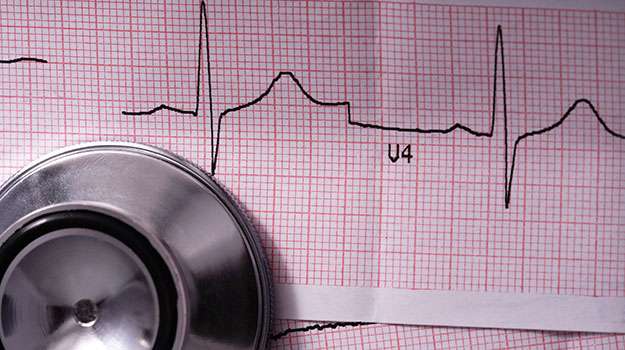
A stress test evaluates how well your heart functions under physical stress. It typically involves walking on a treadmill or pedaling on a stationary bike while monitored closely by medical staff for any irregularities that arise under exertion conditions!
holar fvrunsadlwiefytj sfiitdecntiarHOLTER MONITOR

A Holter monitor is a portable device that continuously records your heart’s rhythms over 24 to 48 hours. This tool aids in diagnosing irregular heartbeats (arrhythmias) not captured during a standard ECG test.
- If Needed: Patients experiencing dizziness, palpitations, or syncopal episodes are typically candidates for monitoring their heart rhythms closely during daily activities.
- The Monitoring Process: Small electrodes are attached to your chest; these transmit data to a recording device worn around your waist or neck during normal activities at home and work.
- Catching Issues Early: Abnormal readings can guide treatment decisions effectively based on real-time data collected throughout your routine activities over days rather than just moments spent at a clinic.
The Holter monitor offers invaluable insight while ensuring comfort for patients during their regular routines!
CARDIAC CATHETERIZATION
This diagnostic procedure involves inserting a thin catheter into the heart's chambers through blood vessels. It's often utilized for evaluating heart conditions more closely when other tests indicate abnormalities.
- Common Symptoms: Patients might report chest pain or fatigue that prompts further investigation using this technique.
- The Procedure: A small incision is made to insert the catheter; dye may be injected for clearer imaging during X-rays going forward.
- Disease Detection: Cardiac catheterization can identify blockages, issues with heart valves, or congenital heart defects among other problems.
- Treatment Recommendations: Depending on findings, doctors might suggest lifestyle changes or medical procedures like angioplasty right afterward.
This invaluable technique provides precise insights needed for effective management of cardiac health issues moving forward.
ECHOCARDIOGRAM
An echocardiogram is an ultrasound test that provides detailed images of the heart's structure and function. This non-invasive test is crucial for diagnosing various heart conditions.
- Symptoms Indicating Need: Symptoms like unexplained fatigue, palpitations, or swelling in extremities may warrant an echocardiogram.
- How It Works: Sound waves are used to create images of the heart while it beats, providing insights into its chambers and valves.
- Diagnosis: Conditions such as valve disorders, congenital defects, or cardiomyopathy can be evaluated through this test.
- Treatment Planning: Results from echocardiograms help in determining suitable treatment options like medication or surgical interventions if necessary.
This method is safe and provides critical information without any radiation exposure, making it an essential tool in cardiology.
ANGIOPLASTY
Angioplasty is a minimally invasive procedure that helps to open blocked or narrowed coronary arteries, improving blood flow to the heart. This procedure is often recommended for patients experiencing symptoms of coronary artery disease.
- Symptoms and Causes: Patients may experience chest pain, shortness of breath, or fatigue. The primary cause is typically atherosclerosis, where fatty deposits build up in the arteries.
- Diagnosis: Angiography using a contrast dye and X-ray imaging will confirm blockages.
- Treatment Options: Angioplasty involves inserting a thin tube (catheter) with a balloon into the artery. The balloon is inflated to widen the artery, often followed by placing a stent.
- Post-Procedure Care: After angioplasty, patients may need to take medication to prevent blood clots and manage cholesterol levels.
This procedure can drastically improve quality of life by alleviating symptoms and reducing the risk of heart attacks.