
Dr Menda Nitin M
About Me
Dr Menda Nitin M
Internal Medicine
Biography
My Clinic
OPD Hours
| Tuesday | Morning | 10:00 AM | - | 02:00 PM |
| Evening | 06:00 PM | - | 09:00 PM | |
| Wednesday | Morning | 10:00 AM | - | 02:00 PM |
| Evening | 06:00 PM | - | 09:00 PM | |
| Thursday | Morning | 10:00 AM | - | 02:00 PM |
| Evening | 06:00 PM | - | 09:00 PM | |
| Friday | Morning | 10:00 AM | - | 02:00 PM |
| Evening | 06:00 PM | - | 09:00 PM | |
| Saturday | Morning | 10:00 AM | - | 02:00 PM |
| Evening | 06:00 PM | - | 09:00 PM | |
| Sunday | Morning | 10:00 AM | - | 02:00 PM |
| Evening | 06:00 PM | - | 09:00 PM | |
| Thursday | Morning | 10:00 AM | - | 02:00 PM |
| Evening | 06:00 PM | - | 09:00 PM |
Treatments
Specialised care and treatments offered
LIVER FUNCTION TESTS
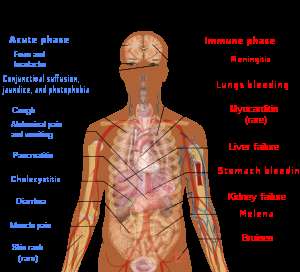
Liver function tests (LFTs) are crucial diagnostic tools that assess how well your liver is performing its tasks. They help detect inflammation or damage within the liver at an early stage which plays a significant role in preventive care.
- Symptoms of liver dysfunction : Symptoms might include jaundice (yellowing of skin), abdominal swelling , dark urine ,and unexplained fatigue .
- Causes of abnormal LFTs : Numerous factors like viral hepatitis ,alcohol consumption ,and fatty liver disease could elevate these enzyme levels .
- Diagnosis using LFTs : A simple blood test measures enzymes such as ALT , AST , ALP,and bilirubin levels indicating potential liver issues .
- Treatment /Management strategies : Addressing any underlying causes along with lifestyle modifications forms the cornerstone of effective management ;sometimes specialized treatment might be necessary depending on specific conditions affecting the liver .
The results from LFTs serve as an important guide towards maintaining optimal liver health through timely interventions when required .
GASTROESOPHAGEAL REFLUX DISEASE (GERD)
This chronic digestive disorder occurs when stomach acid frequently flows back into the esophagus. Understanding GERD allows patients to manage their symptoms effectively through appropriate lifestyle modifications and treatments.
- Symptoms : Heartburn is the most common symptom; others include regurgitation of food or sour liquid and difficulty swallowing .
- Causes : Contributing factors include obesity , pregnancy , smoking , diet ,and certain medications that relax the esophageal sphincter .
- Diagnosis : A healthcare provider may conduct an endoscopy or recommend pH monitoring studies for accurate diagnosis .
- Treatment options : Over-the-counter antacids , prescription medications like proton pump inhibitors ,and lifestyle changes such as avoiding trigger foods are used .
Addressing GERD symptoms promptly through proper management ensures less disruption in daily life while improving overall gastrointestinal health .
ANEMIA
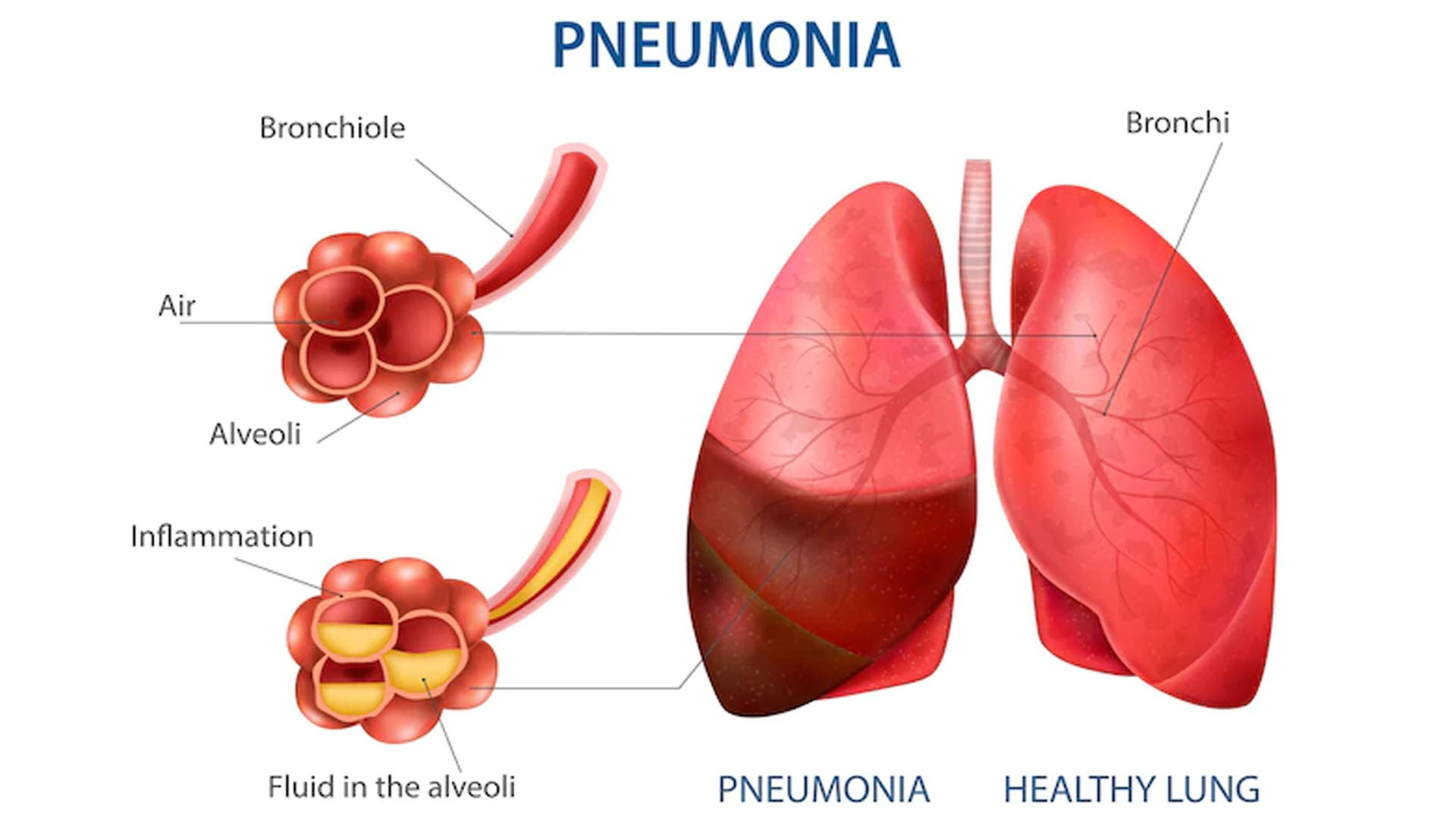
Anemia refers to a deficiency in red blood cells or hemoglobin in the blood. It leads to reduced oxygen transport and can manifest through various symptoms that should be taken seriously.
- Symptoms: Patients may report fatigue, weakness, pale skin, dizziness, or irregular heartbeat depending on the severity of the condition.
- Causes: Iron deficiency is a common cause; however anemia can arise from chronic diseases or vitamin deficiencies as well.
- Diagnosis: Blood tests are essential for determining hemoglobin levels along with further investigations into underlying causes if necessary.
- Treatment options: Treatment generally involves iron supplementation or vitamins based on specific deficiencies; addressing underlying conditions is also critical.
A proactive approach in managing anemia provides patients with improved energy levels and overall health stability over time.
CHRONIC OBSTRUCTIVE PULMONARY DISEASE (COPD)
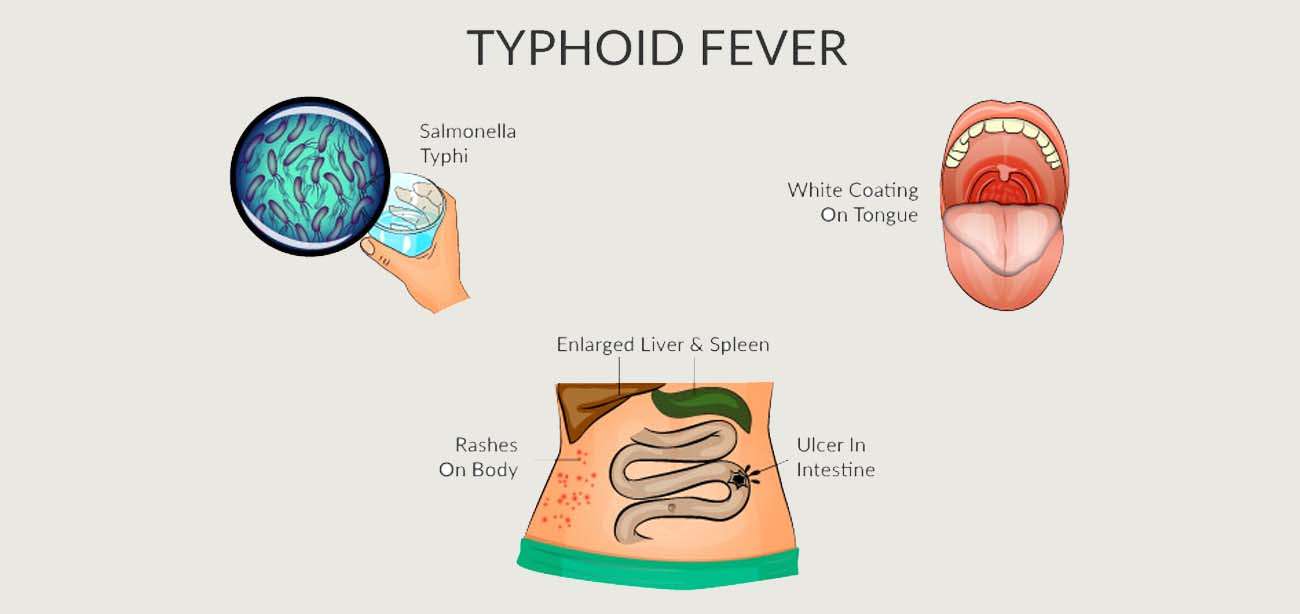
COPD encompasses a group of progressive lung diseases that obstruct airflow. This results in breathing difficulties which can severely affect daily activities if left untreated.
- Symptoms: Key indicators include persistent cough, wheezing, shortness of breath during exertion, and chest tightness.
- Causes: The primary cause is long-term exposure to irritants such as cigarette smoke; environmental factors can also play a role.
- Diagnosis: Pulmonary function tests measure how well lungs are working; imaging tests like chest X-rays may also be involved in assessment.
- Treatment options: Management includes bronchodilators and steroids; pulmonary rehabilitation programs can support overall lung health.
A comprehensive approach to treatment allows those with COPD to lead more active lives despite their diagnosis.
DIABETES MELLITUS
Diabetes mellitus is a chronic condition characterized by high blood sugar levels due to either insufficient insulin production or cellular resistance to insulin's effects. Understanding this disease is important for effective management and prevention of complications.
- Symptoms: Common signs include frequent urination, excessive thirst, extreme fatigue, and blurred vision.
- Causes: Type 1 diabetes is typically autoimmune in nature while Type 2 often relates to lifestyle factors including diet and activity level.
- Diagnosis: Blood tests measuring glucose levels are used. An HbA1c test helps track long-term glucose control.
- Treatment options: This may involve insulin therapy for Type 1 or oral medications for Type 2 diabetes alongside dietary changes and exercise.
Regular monitoring and education on managing diabetes can significantly enhance quality of life for patients.
HYPERTENSION
Hypertension, or high blood pressure, is a common condition that can lead to severe health complications if not managed properly. It often goes unnoticed, making regular monitoring crucial for early detection.
- Symptoms: Many individuals experience no symptoms, but some may have headaches, shortness of breath, or nosebleeds.
- Causes: Factors include genetics, obesity, sedentary lifestyle, and high salt intake.
- Diagnosis: Blood pressure readings are taken multiple times to confirm hypertension. Additional tests may be conducted to check for heart and kidney damage.
- Treatment options: Lifestyle changes, such as diet and exercise, along with medications like diuretics or ACE inhibitors.
- Management: Regular follow-ups with healthcare professionals to monitor blood pressure effectively is essential.
Managing hypertension is vital for long-term health; staying informed about your condition will help you in achieving better outcomes.