
Dr Menon Ajit Rajagopal
About Me
Dr Menon Ajit Rajagopal
Cardiologist
Biography
My Clinic
OPD Hours
| Tuesday | Morning | 10:00 AM | - | 02:00 PM |
| Evening | 06:00 PM | - | 09:00 PM | |
| Wednesday | Morning | 10:00 AM | - | 02:00 PM |
| Evening | 06:00 PM | - | 09:00 PM | |
| Thursday | Morning | 10:00 AM | - | 02:00 PM |
| Evening | 06:00 PM | - | 09:00 PM | |
| Friday | Morning | 10:00 AM | - | 02:00 PM |
| Evening | 06:00 PM | - | 09:00 PM | |
| Saturday | Morning | 10:00 AM | - | 02:00 PM |
| Evening | 06:00 PM | - | 09:00 PM | |
| Sunday | Morning | 10:00 AM | - | 02:00 PM |
| Evening | 06:00 PM | - | 09:00 PM | |
| Thursday | Morning | 10:00 AM | - | 02:00 PM |
| Evening | 06:00 PM | - | 09:00 PM |
Treatments
Specialised care and treatments offered
CORONARY ANGIOGRAPHY

This advanced imaging technique provides clear visuals of coronary arteries using X-ray technology after injecting contrast dye. It's critical for diagnosing blockages in patients who show symptoms like chest pain or dyspnea.
- Symptoms/Indications: Patients experiencing chest discomfort during physical activities should consider this assessment if initial tests suggest potential issues.
- Diagnostic Insights: Coronary angiography effectively identifies narrowed areas within arteries allowing targeted treatment approaches.
- Management Options: In some cases findings may require immediate action—such as angioplasty—or can inform longer-term management strategies encompassing lifestyle changes.
- Expectations: A typical procedure lasts only 30 minutes but requires preparation time beforehand including fasting./list>
CARDIAC CATHETERIZATION
This minimally invasive procedure allows doctors to examine how well blood flows through your arteries and chambers of the heart by inserting a catheter into a blood vessel. It's crucial for diagnosing coronary artery disease as well as other cardiac conditions.
- < li>< strong >Indications: Patients experiencing severe chest pain or have abnormal stress test results may need this evaluation.< li>< strong >Diagnostic Function: During catheterization, imaging techniques reveal blockages and provide insights into cardiac function.< li>< strong >Treatment Options: Depending on findings, cardiac interventions such as angioplasty may be performed simultaneously.< li>< strong >Patient Expectations: The process takes about one hour and requires only local anesthesia with minimal recovery time afterwards.
"
HOLTER MONITOR
A Holter monitor is a portable device worn for 24-48 hours to continuously record your heart's electrical activity. It captures data that may be missed during standard tests in a clinical setting.
- Reasons for Use: This test is often indicated if you experience intermittent palpitations or unexplained symptoms over time that require monitoring outside of a medical facility.
- Disease Detection: It helps identify arrhythmias, transient ischemic episodes, and correlates symptoms with activity levels throughout daily life.
- Treatment Guidance:The data collected assists physicians in formulating personalized treatment plans based on detected abnormalities.
- Usage Insight: A user-friendly device that allows patients to maintain their daily activities while collecting crucial information about their heart health.
By providing continuous monitoring over an extended period, Holter monitors enhance diagnostic accuracy in assessing cardiovascular health.
STRESS TESTING
A stress test evaluates how well your heart works during physical activity. It's specifically designed to detect issues that might not be apparent when you're resting.
- Indications: Symptoms like exertional chest pain or unusual shortness of breath during exercise may necessitate this test.
- Diagnostic Aspects: It reveals how well blood flows through the heart under stress and can uncover coronary artery disease or other conditions.
- Treatment Implications: Results can lead to lifestyle recommendations, medication adjustments, or even surgical options depending on findings.
- Your Experience: Typically involves walking on a treadmill while monitored; non-invasive with minimal risks involved.
This testing method is vital in giving you a clear understanding of how your heart responds to exertion, enhancing overall cardiovascular care.
ECHOCARDIOGRAM
A comprehensive echocardiogram uses ultrasound technology to visualize the heart's structure and function. This diagnostic tool is invaluable for identifying various heart diseases.
- Symptoms: Indications for this test include abnormal heartbeat patterns, unexplained fatigue, or swelling in the legs.
- Diagnosis: By providing real-time images of the heart, it helps assess blood flow and identify issues like valve disorders or congenital defects.
- Treatment Management: While it serves as a diagnostic aid, findings can influence management strategies ranging from medication to surgical interventions.
- User Experience: The procedure is painless and often conducted right at your doctor's office, taking about 30-60 minutes.
The echocardiogram offers detailed insights into your cardiac health that plays a crucial role in treatment planning.
ELECTROCARDIOGRAM (ECG)
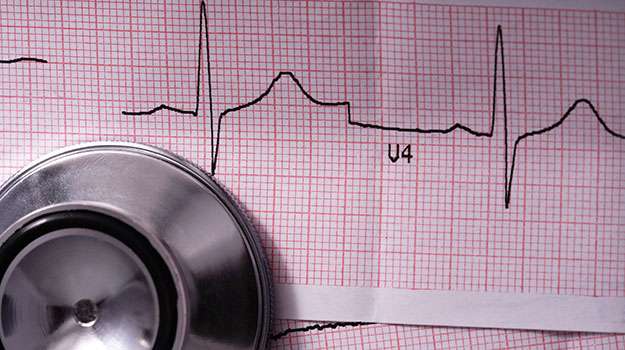
An electrocardiogram (ECG) is a quick and non-invasive test that measures the electrical activity of the heart. It is commonly used to detect various cardiac conditions, making it an essential tool in cardiology.
- Symptoms/Conditions: Chest pain, palpitations, shortness of breath, or dizziness may prompt an ECG.
- Diagnosis: The test records the heart's rhythm and can indicate problems with heart size or function.
- Treatment Options: While ECGs themselves do not treat conditions, they can help guide further treatment such as medications or lifestyle changes.
- What to Expect: The procedure takes only a few minutes and involves placing electrodes on the skin which are painless.
The results of the ECG will help your healthcare provider determine if any follow-up tests or treatments are necessary for optimal heart health.