
Dr Menon
About Me
Dr Menon
Cardiologist
Biography
My Clinic
OPD Hours
| Tuesday | Morning | 10:00 AM | - | 02:00 PM |
| Evening | 06:00 PM | - | 09:00 PM | |
| Wednesday | Morning | 10:00 AM | - | 02:00 PM |
| Evening | 06:00 PM | - | 09:00 PM | |
| Thursday | Morning | 10:00 AM | - | 02:00 PM |
| Evening | 06:00 PM | - | 09:00 PM | |
| Friday | Morning | 10:00 AM | - | 02:00 PM |
| Evening | 06:00 PM | - | 09:00 PM | |
| Saturday | Morning | 10:00 AM | - | 02:00 PM |
| Evening | 06:00 PM | - | 09:00 PM | |
| Sunday | Morning | 10:00 AM | - | 02:00 PM |
| Evening | 06:00 PM | - | 09:00 PM | |
| Thursday | Morning | 10:00 AM | - | 02:00 PM |
| Evening | 06:00 PM | - | 09:00 PM |
Treatments
Specialised care and treatments offered
LIPID PROFILE TESTING

Lipid profile testing assesses cholesterol levels within the blood; it is essential in evaluating cardiovascular risk factors. Monitoring these levels informs preventive measures against potential heart disease development.
- Symptoms : Often conducted during routine check-ups even when no symptoms are evident; however, high cholesterol can lead indirectly to symptoms like chest pain over time.
- Diagnosis : High levels of LDL cholesterol raise concerns regarding cardiovascular risk; results inform necessary lifestyle modifications.
- Treatment Options : Treatments might include dietary changes, medications like statins, or more aggressive interventions depending on individual assessment outcomes.
- What to Expect : A simple blood draw enables lab analysis; fasting before testing might be advised for optimal accuracy.
Regular lipid profile assessments are crucial for maintaining long-term cardiovascular health and preventing complications.
CARDIAC MRI
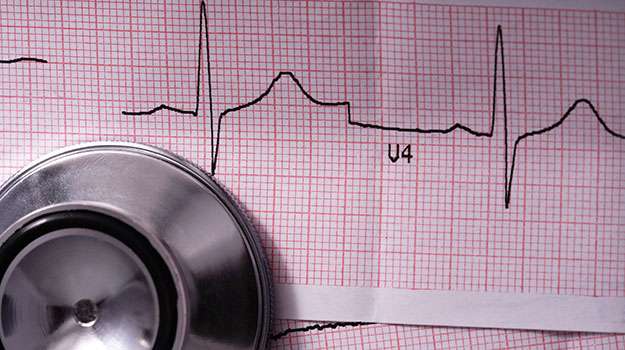
A Cardiac MRI (Magnetic Resonance Imaging) is instrumental in providing detailed images of the heart’s structure and function without radiation exposure. It helps assess various cardiac conditions comprehensively.
- Symptoms : Commonly indicated for patients with unexplained symptoms related to heart failure or valvular disease.
- Diagnosis : It offers insights into myocardial viability and detects scarring or inflammation of the heart muscle.
- Treatment Options : Results guide management strategies ranging from medical therapy to surgical options as warranted by findings.
- What to Expect : Patients lie inside a large magnet where loud tapping noises occur during scans; no special preparations are usually required beforehand.
A Cardiac MRI serves as a pivotal component in evaluating complex cardiac scenarios effectively.
CT ANGIOGRAPHY
Computed Tomography (CT) Angiography is an advanced imaging technique that visualizes blood vessels in the body using X-ray technology. It’s particularly useful in assessing coronary artery disease.
- Symptoms: Often ordered when symptoms like chest discomfort or severe fatigue arise without clear diagnosis from conventional tests.
- Diagnosis: This non-invasive method can detect blockages in arteries by capturing detailed images of blood flow through vessels.
- Treatment Options: Findings may lead to treatments including stenting or bypass surgery based on the severity of identified blockages.
- What to Expect : The procedure involves injecting contrast dye through an IV before scanning. The entire process takes about 30-60 minutes and requires minimal recovery time.
CT Angiography plays a crucial role in timely diagnosis and management of cardiovascular conditions.
HOLTER MONITOR
A Holter monitor is a portable device worn for 24-48 hours that continuously records the heart's rhythm. This comprehensive monitoring helps identify arrhythmias that may not appear during a standard ECG.
- Symptoms: It's often recommended for patients experiencing palpitations, dizziness, or unexplained fainting spells.
- Diagnosis: Analyzing the data collected can pinpoint irregularities in heartbeat patterns that might necessitate further investigation.
- Treatment Options: Depending on findings, treatment could involve medications or procedures such as catheter ablation.
- What to Expect: Wearing the device allows normal activities while avoiding water exposure; patients will have specific instructions regarding care during monitoring.
Using a Holter monitor provides valuable insights into your cardiac health over an extended period of daily life activities.
STRESS TEST
A stress test evaluates how well your heart functions under physical exertion or stress conditions. It's commonly used to determine cardiovascular health and diagnose ischemic heart disease.
- Symptoms: Indications for a stress test include unexplained chest pain, fatigue during exercise, or abnormal ECG findings at rest.
- Diagnosis: The test may reveal issues with blood flow to the heart during activity that aren’t apparent when resting.
- Treatment Options: Based on findings, recommendations can range from lifestyle adjustments to surgical procedures if significant blockages are detected.
- What to Expect: Patients typically exercise on a treadmill or stationary bike while monitored for heart rate and blood pressure changes.
This assessment is crucial for creating an effective treatment plan tailored to individual needs.
ECHOCARDIOGRAM
An echocardiogram is a vital diagnostic tool used to evaluate the heart's structure and function. This ultrasound imaging technique provides real-time pictures of the heart, enabling a comprehensive assessment.
- Symptoms: Patients may undergo this procedure if experiencing shortness of breath, chest pain, or irregular heartbeats.
- Diagnosis: It helps in diagnosing conditions such as valve disorders, congenital heart defects, and cardiomyopathy.
- Treatment Options: Depending on the results, treatment may involve lifestyle changes, medication, or surgical interventions.
- What to Expect: The process is painless and typically lasts about 30-60 minutes. Patients are often given instructions on how to prepare before the test.
An echocardiogram is essential for understanding cardiac health and guiding further management.