
Dr Mihir C Shah
About Me
Dr Mihir C Shah
Internal Medicine
Biography
My Clinic
OPD Hours
| Tuesday | Morning | 10:00 AM | - | 02:00 PM |
| Evening | 06:00 PM | - | 09:00 PM | |
| Wednesday | Morning | 10:00 AM | - | 02:00 PM |
| Evening | 06:00 PM | - | 09:00 PM | |
| Thursday | Morning | 10:00 AM | - | 02:00 PM |
| Evening | 06:00 PM | - | 09:00 PM | |
| Friday | Morning | 10:00 AM | - | 02:00 PM |
| Evening | 06:00 PM | - | 09:00 PM | |
| Saturday | Morning | 10:00 AM | - | 02:00 PM |
| Evening | 06:00 PM | - | 09:00 PM | |
| Sunday | Morning | 10:00 AM | - | 02:00 PM |
| Evening | 06:00 PM | - | 09:00 PM | |
| Thursday | Morning | 10:00 AM | - | 02:00 PM |
| Evening | 06:00 PM | - | 09:00 PM |
Treatments
Specialised care and treatments offered
CHRONIC KIDNEY DISEASE (CKD)
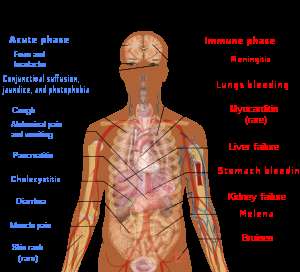
Chronic Kidney Disease (CKD) poses significant health challenges due to its gradual loss of kidney function over time. Recognizing early signs plays an important role in effective management within internal medicine practice settings.
- Symptoms may include fatigue, swelling in legs or feet due to fluid retention; unfortunately they often go unnoticed until stages advance considerably.
- Diagnosis commonly involves tests assessing kidney function parameters including serum creatinine levels along with urine examinations for protein content assessments.
- Management revolves around controlling underlying conditions like hypertension or diabetes paired with possible dietary changes reducing salt intake alongside prescribed phosphorous binders if applicable.
- Regular evaluations help gauge progression while allowing timely interventions preventing further decline towards end-stage renal failure risks over time.
Proactive CKD management fosters healthier living choices ultimately enhancing life expectancy amidst continual support tailored uniquely per individual patient scenarios.
ASTHMA MANAGEMENT
Asthma is a chronic inflammatory condition affecting the airways that requires proper management for improved quality of life. Effective asthma control becomes a priority in internal medicine care plans across patient demographics.
- This condition presents through symptoms such as wheezing, breathlessness, coughing, especially at night or during exercise.
- A thorough clinical evaluation along with lung function tests helps diagnose asthma accurately without confusion from other respiratory ailments.
- The management strategy includes avoiding triggers while using inhalers or nebulizers for quick relief alongside preventive medication as needed based on severity status.
- Regular monitoring via consultations assures sustained control over asthma symptoms while adjusting treatment strategies dynamically according to individual needs.
Customized asthma care not only enhances daily functioning but also reduces exacerbation incidents effectively.
GASTROESOPHAGEAL REFLUX DISEASE (GERD)
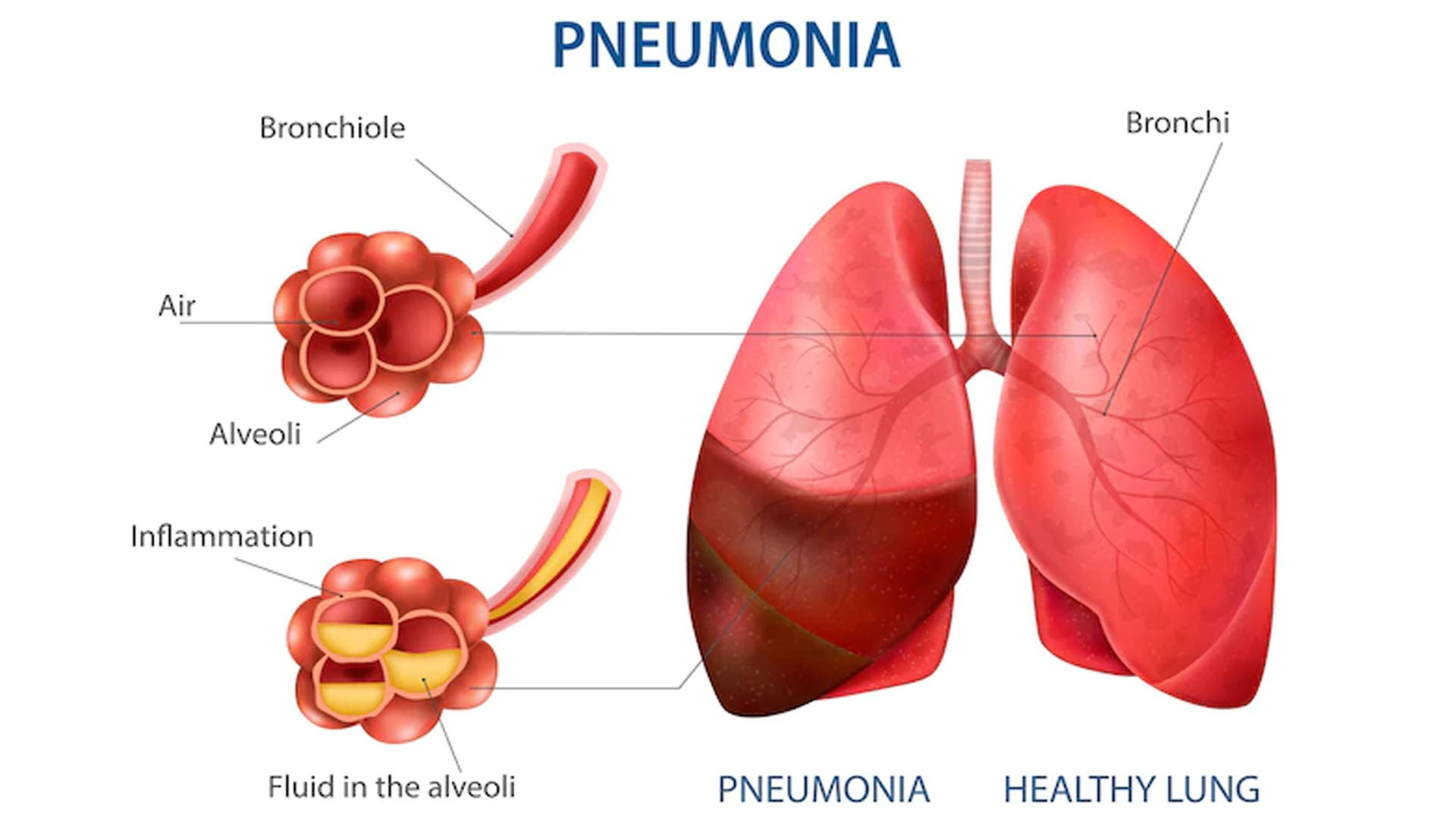
Gastroesophageal reflux disease (GERD) affects millions globally and involves acid reflux causing discomfort and potential damage to the esophagus. Understanding this condition is essential for effective treatment within internal medicine.
- Commonly experienced symptoms include heartburn, regurgitation, chest pain, and difficulty swallowing.
- A diagnosis may be confirmed through patient history review along with endoscopic examinations or pH monitoring of the esophagus.
- Treatment approaches consist of lifestyle adjustments—like weight management—and over-the-counter antacids or prescription medications for more severe cases.
- Regular follow-ups help assess treatment effectiveness and make necessary adjustments over time based on symptom relief and overall recovery progress.
An individualized treatment plan can significantly alleviate symptoms and prevent long-term complications associated with GERD.
LIPID DISORDERS
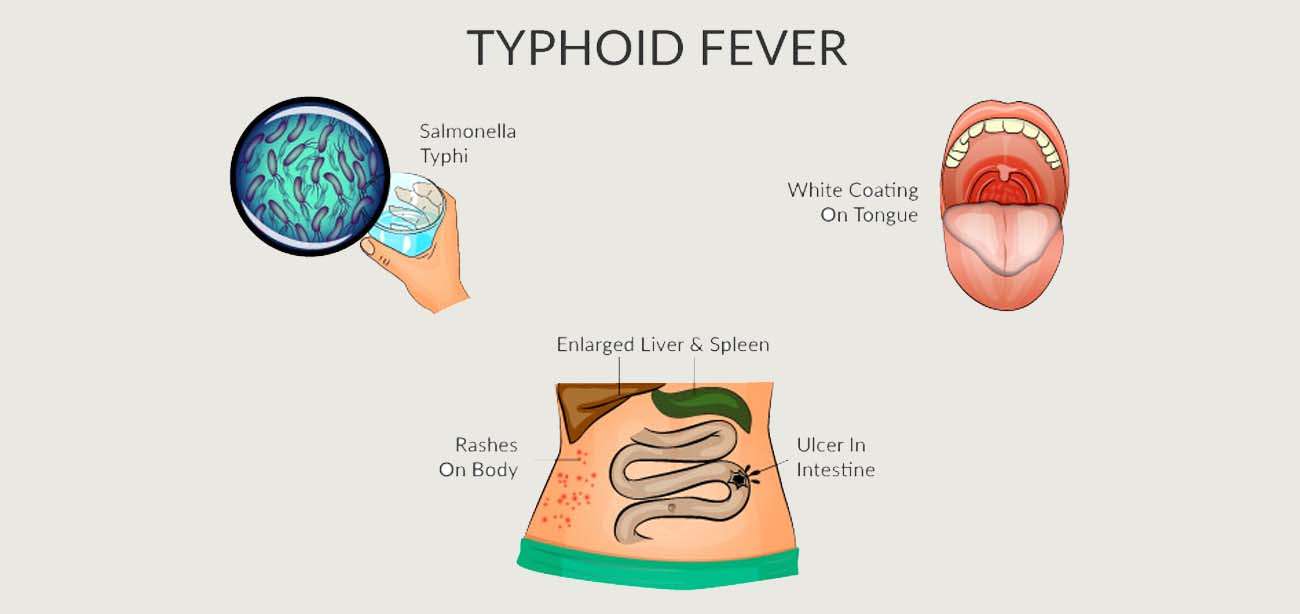
Lipid disorders are conditions characterized by abnormal levels of lipids in the blood, which increases the risk for cardiovascular diseases. Monitoring these levels is key in internal medicine practices.
- The presence of high cholesterol typically does not cause noticeable symptoms until it leads to more serious conditions like heart attacks.
- Diagnosis primarily relies on lipid panel tests that measure total cholesterol, LDL, HDL, and triglycerides.
- Treatment might involve dietary modifications, regular exercise, and lipid-lowering medications such as statins when needed.
- Patiens will need ongoing assessment to manage their lipid profiles effectively over time.
A focused approach on lipid management not only improves cardiovascular health but also contributes to a longer lifespan.
DIABETES MANAGEMENT
The management of diabetes is a vital aspect of internal medicine aimed at maintaining optimum blood sugar levels. This chronic condition can lead to various complications if not managed well.
- Common symptoms include increased thirst, frequent urination, and fatigue.
- A combination of blood tests such as fasting glucose levels helps confirm a diagnosis of diabetes.
- Treatment often encompasses lifestyle changes like improved diet and physical activity, alongside insulin therapy or oral medications as necessary.
- Persistent monitoring through regular check-ups aids in preventing complications associated with uncontrolled diabetes.
A proactive management plan involving personalized care can vastly improve quality of life for individuals with diabetes.
HYPERTENSION MANAGEMENT
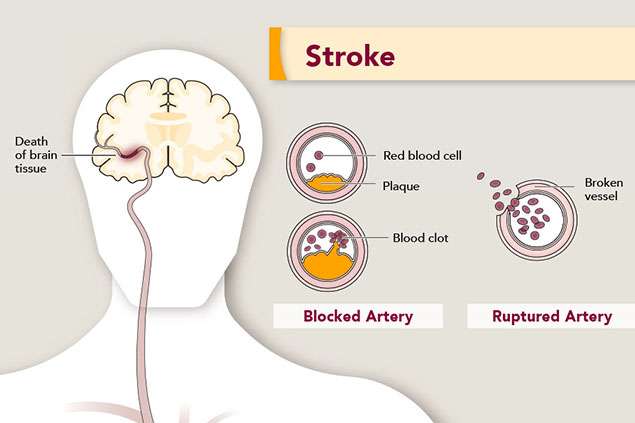
Managing hypertension is crucial for preventing serious health issues, including heart disease and stroke. This condition, often called 'high blood pressure', occurs when the force of blood against the artery walls is consistently too high.
- Symptoms can be absent initially; however, severe cases may lead to headaches, nosebleeds, and shortness of breath.
- Diagnosis typically involves measuring blood pressure at multiple visits to confirm persistent elevation.
- Treatment options include lifestyle modifications such as diet and exercise, along with medications like ACE inhibitors or diuretics.
- Regular monitoring is essential; patients can expect check-ups to adjust treatment based on their response.
A comprehensive approach to managing hypertension can significantly enhance overall health and reduce risks associated with this condition.