
Dr Mihir Kothari
About Me
Dr Mihir Kothari
Ophthalmologist
Biography
My Clinic
OPD Hours
| Tuesday | Morning | 10:00 AM | - | 02:00 PM |
| Evening | 06:00 PM | - | 09:00 PM | |
| Wednesday | Morning | 10:00 AM | - | 02:00 PM |
| Evening | 06:00 PM | - | 09:00 PM | |
| Thursday | Morning | 10:00 AM | - | 02:00 PM |
| Evening | 06:00 PM | - | 09:00 PM | |
| Friday | Morning | 10:00 AM | - | 02:00 PM |
| Evening | 06:00 PM | - | 09:00 PM | |
| Saturday | Morning | 10:00 AM | - | 02:00 PM |
| Evening | 06:00 PM | - | 09:00 PM | |
| Sunday | Morning | 10:00 AM | - | 02:00 PM |
| Evening | 06:00 PM | - | 09:00 PM | |
| Thursday | Morning | 10:00 AM | - | 02:00 PM |
| Evening | 06:00 PM | - | 09:00 PM |
Treatments
Specialised care and treatments offered
DIABETIC RETINOPATHY
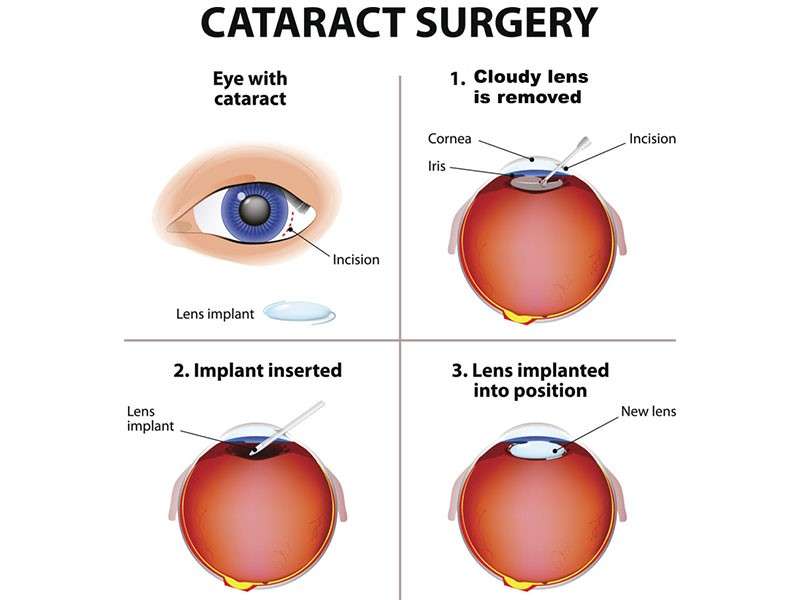
Diabetic retinopathy is a complication stemming from diabetes that affects blood vessels in the retina over time. This condition can lead to blindness if untreated but progresses slowly often without noticeable symptoms at first stages.
- Symptoms might include blurred vision or seeing spots floating across your field of vision as blood vessels become leaky.
- Diagnosing diabetic retinopathy involves regular dilated eye examinations which help identify early changes before significant damage occurs.
- Treatment plans may involve laser therapy targeting problematic areas along with intravitreal injections improving retinal health while managing diabetes holistically through lifestyle adjustments.
- Regular follow-ups are essential not only for monitoring progression but addressing any emerging issues promptly enhancing long-term visual prognosis significantly.
Individuals managing diabetes should prioritize annual eye check-ups ideally involving experienced professionals who understand its complexities well.
UVEITIS
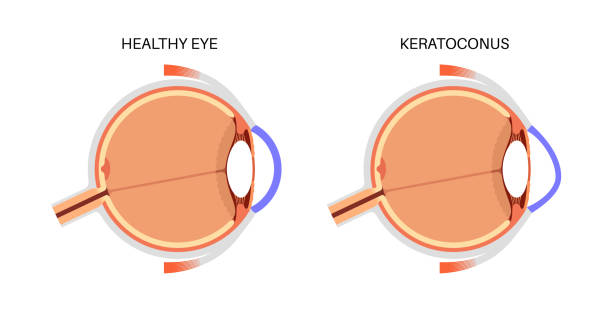
Uveitis is inflammation of the uvea part of the eye and has several underlying causes ranging from infections to autoimmune disorders. It can be classified into different types based on where in the uvea it occurs - anterior (front) or posterior (back).
- The main symptoms include redness in one eye, pain, blurry vision, or floaters which could point towards inflammation or infection concerns.
- A complete diagnostic workup involves history-taking along with visual acuity tests and possibly imaging studies like OCT or ultrasound if needed for accurate classification of uveitis type.
- Treatment generally involves corticosteroids either topically or systemically along with management tailored towards any underlying conditions present that could have triggered inflammation.
- Regular monitoring is key since chronic forms can affect vision over time if not addressed adequately.
Seeking timely help at signs of uveitis can enhance outcome chances significantly.
CHEMICAL EYE INJURY
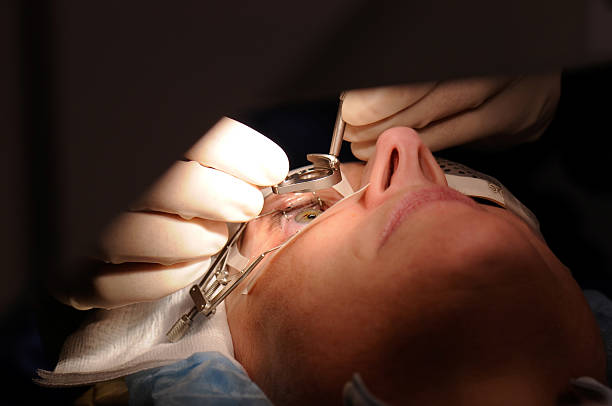
Chemical eye injuries can occur when harmful substances come into contact with the eyes, leading to potential damage. Quick action is crucial as time can be critical in preventing serious harm to vision.
- The symptoms usually include redness, burning sensation, tearing, or blurred vision following exposure to chemicals.
- A thorough assessment begins with determining what type of chemical caused the injury and assessing ocular damage through specialized equipment.
- Treatment often includes immediate irrigation of the eyes followed by medication to mitigate inflammation and prevent infection based on severity.
- An ophthalmologist will provide comprehensive care instructions and schedule follow-up visits to monitor healing progress effectively.
If exposed to chemicals in the eyes, rinse thoroughly with water immediately before seeking professional medical help urgently for optimal outcomes.
CORNEAL ABRASION
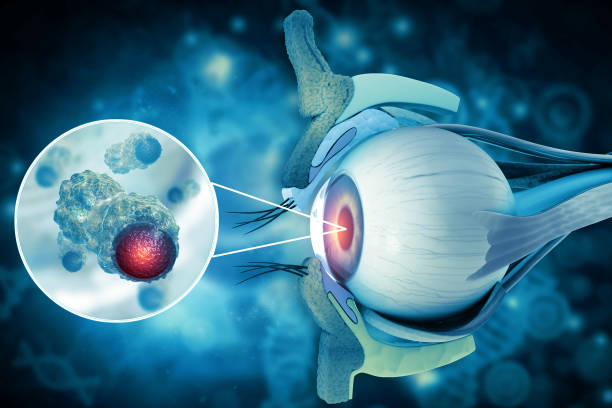
A corneal abrasion refers to a scratch on the surface of the cornea that can result from trauma or foreign objects entering the eye. This common injury causes significant discomfort but is often manageable.
- The main symptom includes immediate pain in the eye along with tearing and sensitivity to light.
- A detailed eye examination will confirm the presence of an abrasion using fluorescein staining under blue light illumination.
- Treatment generally involves antibiotic drops to prevent infection and sometimes topical anesthetics to relieve pain during healing.
- Most abrasions heal within a few days; however, follow-ups are important to ensure proper recovery without complications.
If you're experiencing sharp pain or irritation following an injury, consult an ophthalmologist as soon as possible for evaluation and care.
ACUTE GLAUCOMA
Acute glaucoma is a medical emergency resulting from a sudden increase in intraocular pressure, which can damage the optic nerve. It typically presents with severe eye pain and can develop rapidly within just a few hours.
- Common symptoms include blurred vision, headaches, nausea, and vomiting associated with intense ocular pain.
- This condition is diagnosed through a thorough ophthalmic examination that measures intraocular pressure along with checking for optic nerve damage.
- Treatment usually starts with medications to reduce eye pressure and may require surgical intervention if medications are ineffective.
- Regular eye exams are essential for those at risk to catch potential issues early before an acute attack occurs.
If you experience sudden changes in your vision or severe eye pain, seek medical attention immediately.
RETINAL DETACHMENT
Retinal detachment is a serious condition that occurs when the retina separates from its underlying supportive tissue. This emergency situation can lead to permanent vision loss if not treated promptly.
- Symptoms often include sudden flashes of light, floaters in vision, or a shadow appearing in the peripheral vision.
- Diagnosis typically involves a comprehensive eye exam and may include imaging tests like optical coherence tomography (OCT).
- Treatment options vary depending on severity and may involve laser surgery, cryotherapy, or vitrectomy.
- Following treatment, patients should monitor their vision closely for any changes and return for follow-up appointments as instructed by their ophthalmologist.
A prompt response to symptoms is crucial in preserving vision and preventing complications associated with retinal detachment.