
Dr Milan Balakrishnan
About Me
Dr Milan Balakrishnan
Anesthesiologist
Biography
My Clinic
OPD Hours
| Tuesday | Morning | 10:00 AM | - | 02:00 PM |
| Evening | 06:00 PM | - | 09:00 PM | |
| Wednesday | Morning | 10:00 AM | - | 02:00 PM |
| Evening | 06:00 PM | - | 09:00 PM | |
| Thursday | Morning | 10:00 AM | - | 02:00 PM |
| Evening | 06:00 PM | - | 09:00 PM | |
| Friday | Morning | 10:00 AM | - | 02:00 PM |
| Evening | 06:00 PM | - | 09:00 PM | |
| Saturday | Morning | 10:00 AM | - | 02:00 PM |
| Evening | 06:00 PM | - | 09:00 PM | |
| Sunday | Morning | 10:00 AM | - | 02:00 PM |
| Evening | 06:00 PM | - | 09:00 PM | |
| Thursday | Morning | 10:00 AM | - | 02:00 PM |
| Evening | 06:00 PM | - | 09:00 PM |
Treatments
Specialised care and treatments offered
PREOPERATIVE ASSESSMENT
A preoperative assessment is critical in ensuring patient safety before any surgical intervention. This process evaluates overall health status and identifies potential risks associated with anesthesia during surgery
- Symptoms: Patients may express concerns about their ability to undergo surgery safely; previous health issues warrant attention prior to any procedure involving anesthesia use.
- Diagnosis: Thorough evaluations include reviewing medical history alongside any necessary lab tests ensuring all relevant information is accessible prior scheduling interventions appropriately aligned patient readiness expectations effectively managing overall outcomes post-surgery care naturally follows suit!
- Treatment options: Recommendations derived here could advocate lifestyle changes aimed at minimizing identified risks enhancing future wellness journeys significantly further promoting optimal recovery experiences afterwards respectively too!
This crucial step serves as an investment in long-term well-being elevating surgical outcomes while reinforcing preventive measures taken leading up towards successful transitions into healthier living moving forward together triumphantly!
PAIN MANAGEMENT CONSULTATION

Pain management consultations aim at evaluating chronic pain conditions that might necessitate specialized interventions. Collaboration between patients and anesthesiologists results in personalized strategies tailored for effective symptom relief
- Symptoms: Chronic pain conditions vary widely among individuals; understanding one's unique symptoms is foundational in creating a management plan.
- Diagnosis: A comprehensive approach considers medical history, physical exams, diagnostic testing, and psychological factors influencing pain perception.
- Treatment options: Multifaceted approaches may include medications (e.g., nerve blocks), physical therapy referrals, or interventional techniques depending on diagnosis severity.
- What to expect: Patients often benefit from ongoing support throughout treatment adjustments aimed at improving quality of life over time.
This proactive approach emphasizes education regarding chronic conditions while empowering patients through shared decision-making processes with healthcare teams.
SEDATION FOR DENTAL PROCEDURES

Sedation dentistry uses medication to help patients relax during dental work. It can significantly reduce anxiety related to dental visits, allowing more individuals access essential care without fear.
- Symptoms: High levels of anxiety or fear prior to dental procedures are common reasons why sedation may be required.
- Diagnosis: Evaluation includes considering medical history and current medications before selecting appropriate sedation options.
- Treatment options: Mild sedation through nitrous oxide or deeper levels via IV sedation based on procedural complexity ensures tailor-made care plans according to patient comfort levels.
- What to expect: Sedation takes effect quickly; patients are monitored closely throughout their procedure by trained professionals for optimal safety.
This method has changed the landscape of dentistry by enabling even the most anxious patients to receive necessary treatments comfortably.
GENERAL ANESTHESIA

The application of general anesthesia provides complete unconsciousness and lack of sensation during surgeries. This is crucial for extensive procedures where patient movement could compromise safety.
- Symptoms: Patients undergoing major operations typically require profound sedation due to anxiety or the nature of their condition.
- Diagnosis: Preoperative assessments help identify factors influencing anesthetic risk such as age, weight, and underlying health issues.
- Treatment options: A tailored mixture of inhaled gases and intravenous drugs achieves the desired anesthetic depth for individual needs.
- What to expect: After administration, patients will transition into unconsciousness swiftly; careful monitoring continues throughout surgery to ensure stability.
This practice prioritizes safety while carefully managing risks associated with anesthesia during complex surgical procedures.
REGIONAL ANESTHESIA

Regional anesthesia blocks sensation in a specific area of the body through the injection of anesthetic near major nerves. It is particularly useful for surgeries on the limbs or lower body.
- Symptoms: Pain localized to specific regions may indicate a need for surgery that could benefit from regional anesthesia.
- Diagnosis: A thorough evaluation including medical history helps determine candidacy for this type of anesthesia.
- Treatment options: Various techniques can be utilized based on the region being treated, which can minimize risks associated with general anesthesia.
- What to expect: Post-procedure monitoring allows healthcare providers to ensure that pain control is effective without significant side effects.
This approach not only enhances comfort but also aids quicker recovery following surgery by minimizing systemic exposure to anesthetic agents.
EPIDURAL ANESTHESIA

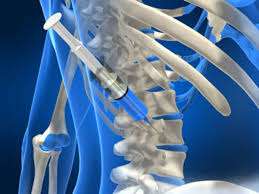
Epidural anesthesia is a commonly used technique to manage pain during and after surgical procedures. It involves the injection of anesthetic agents into the epidural space surrounding the spinal cord, providing targeted pain relief.
- Symptoms: Patients may experience intense pain or discomfort in specific areas requiring surgical intervention.
- Diagnosis: Before administering an epidural, an assessment of medical history and a physical evaluation are conducted.
- Treatment options: The procedure can be performed with local anesthetics or analgesics, and may be adjusted according to individual needs.
- What to expect: Patients will be monitored for vital signs during the procedure, ensuring safety and efficacy in pain management.
This method offers effective relief while allowing patients to remain awake and alert as needed, making it a preferred choice in many surgical settings.