
Dr Milan Doshi
About Me
Dr Milan Doshi
Anesthesiologist
Biography
My Clinic
OPD Hours
| Tuesday | Morning | 10:00 AM | - | 02:00 PM |
| Evening | 06:00 PM | - | 09:00 PM | |
| Wednesday | Morning | 10:00 AM | - | 02:00 PM |
| Evening | 06:00 PM | - | 09:00 PM | |
| Thursday | Morning | 10:00 AM | - | 02:00 PM |
| Evening | 06:00 PM | - | 09:00 PM | |
| Friday | Morning | 10:00 AM | - | 02:00 PM |
| Evening | 06:00 PM | - | 09:00 PM | |
| Saturday | Morning | 10:00 AM | - | 02:00 PM |
| Evening | 06:00 PM | - | 09:00 PM | |
| Sunday | Morning | 10:00 AM | - | 02:00 PM |
| Evening | 06:00 PM | - | 09:00 PM | |
| Thursday | Morning | 10:00 AM | - | 02:00 PM |
| Evening | 06:00 PM | - | 09:00 PM |
Treatments
Specialised care and treatments offered
SEDATION FOR ENDOSCOPY
Sedation during endoscopic procedures ensures patients remain comfortable while allowing physicians clear access necessary for diagnostic examinations. This technique enhances patient cooperation during potentially uncomfortable assessments like colonoscopies or gastroscopies
- Symptoms/Conditions: Typically indicated when individuals face increased anxiety levels regarding invasive testing methods needing precise accuracy under difficult circumstances encountered routinely across practices effectively managed today!
- Diagnosis: Involves detailed discussion beforehand where possible therapies chosen aligning accordingly towards easing concerns while providing adequate support systems preferred throughout experiences involving these types consistently over time adjusted per requirements articulated specifically.
- Treatment/Management: Administering short-acting sedatives allows relaxation paired up successfully alongside tailored respiratory monitoring protocols taking place continuously ensuring safest working atmosphere meeting expectations altogether proficiently well amidst challenges faced regularly!
- What To Expect: Once concluded both monitoring staff & physicians thoroughly review results providing necessary insights enhancing understanding crucial afterwards assisting better paths forward .
The preparation phase proves vital ensuring transparency communication channels always maintained fostering trust amongst those attending appointments thus encouraging optimal adherence consistently maintained moving forward .
LOCAL ANESTHESIA

This method numbs a specific area of the body where a minor procedure will occur without affecting consciousness. Local anesthesia plays a vital role in outpatient settings where extensive recovery isn't needed.
- Symptoms/Conditions: Administered primarily in situations like dental work or skin biopsies where brief intervention leads directly to discomfort issues addressed immediately.
- Diagnosis: Physicians determine appropriateness based on factors such as procedure length & likelihood for local numbness required safely.
- Treatment/Management: Usually occurs via injections targeting localized nerves efficiently allowing immediate focus towards treatment itself rather than pre-procedure apprehensions experienced beforehand.
- What To Expect: Patients generally remain awake throughout quickly recovering sensations shortly thereafter; follow-up may involve heightened awareness about ongoing management outside clinic environment following completion entirely.
With effective local techniques available presently combined alongside excellent physician-patient engagement leads noticeable improvement overall hence satisfying outcomes achievable routinely!
INTRAVENOUS ANESTHESIA

This technique involves administering sedative medications directly into a vein, leading to quick onset of unconsciousness suitable for various minor surgical procedures. It provides effective sedation with rapid recovery times.
- Symptoms/Conditions: Suitable for patients undergoing short procedures requiring fast-acting sedative effects and minimal postoperative headache or nausea concerns.
- Diagnosis: Evaluations consider patient history and type of procedure before opting for intravenous anesthesia over other methods available.
- Treatment/Management: Medications chosen depend on individual patient needs and desired depth of sedation; continuous monitoring ensures safety throughout
The use of this method enhances patient satisfaction by allowing them to recover quickly without lingering effects often associated with longer-lasting anesthetics.
PERIPHERAL NERVE BLOCKS

A peripheral nerve block involves injecting anesthetic near specific nerves to provide localized pain relief during surgeries or after injury. This method targets specific areas of the body for efficient pain management.
- Symptoms/Conditions: It’s commonly used for surgeries on limbs or when localized pain control is necessary without affecting consciousness.
- Diagnosis: The decision is made based on the type of surgery planned, focusing on minimizing systemic effects while maximizing targeted analgesia.
- Treatment/Management: After locating the nerve using ultrasound guidance, an anesthetic agent is injected, which temporarily interrupts pain transmission from that area.
- What to Expect: Patients benefit from immediate relief in the affected area with reduced side effects compared to general anesthesia. Monitoring will occur post-injection for safety concerns.
This technique not only alleviates discomfort but also promotes faster recovery times due to its localized approach.
CONSCIOUS SEDATION

Conscious sedation is a form of sedation that allows patients to undergo minor surgical procedures while remaining awake but relaxed. This technique is particularly beneficial in dentistry and certain outpatient surgeries.
- Symptoms/Conditions: It is often utilized for procedures that would typically cause anxiety or discomfort and require some level of sedation without full anesthesia.
- Diagnosis: Medical professionals assess patient health and anxiety levels before recommending conscious sedation for specific procedures.
- Treatment/Management: A sedative medication is administered intravenously or orally, ensuring patients are comfortable yet able to respond to verbal cues throughout the procedure.
- What to Expect: Patients usually feel relaxed and may have little memory of the procedure afterward, promoting a less stressful experience overall.
This approach can especially help those who fear dental work or minor surgeries, enhancing cooperation and comfort without deep sedation risks.
EPIDURAL ANESTHESIA

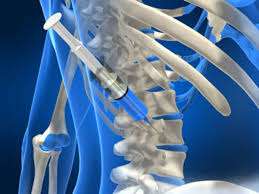
Epidural anesthesia is a regional anesthesia technique commonly used to manage pain during labor, surgery, or other medical procedures. This method involves the injection of anesthetic medication into the epidural space surrounding the spinal cord.
- Symptoms/Conditions: Patients may experience intense pain during childbirth or surgical procedures, necessitating effective pain relief methods.
- Diagnosis: The need for epidural anesthesia is typically assessed based on the anticipated pain level and type of procedure involved.
- Treatment/Management: The procedure involves inserting a thin catheter through which local anesthetics can be administered to block nerve signals from specific areas of the body.
- What to Expect: Patients generally experience reduced pain sensation, allowing for greater comfort during labor or recovery from surgery. Monitoring is essential to ensure safety and efficacy.
This approach can lead to a more positive overall experience by providing relief while maintaining mobility and control.