
Dr Milan Doshi
About Me
Dr Milan Doshi
General Surgeons
Biography
My Clinic
OPD Hours
| Tuesday | Morning | 10:00 AM | - | 02:00 PM |
| Evening | 06:00 PM | - | 09:00 PM | |
| Wednesday | Morning | 10:00 AM | - | 02:00 PM |
| Evening | 06:00 PM | - | 09:00 PM | |
| Thursday | Morning | 10:00 AM | - | 02:00 PM |
| Evening | 06:00 PM | - | 09:00 PM | |
| Friday | Morning | 10:00 AM | - | 02:00 PM |
| Evening | 06:00 PM | - | 09:00 PM | |
| Saturday | Morning | 10:00 AM | - | 02:00 PM |
| Evening | 06:00 PM | - | 09:00 PM | |
| Sunday | Morning | 10:00 AM | - | 02:00 PM |
| Evening | 06:00 PM | - | 09:00 PM | |
| Thursday | Morning | 10:00 AM | - | 02:00 PM |
| Evening | 06:00 PM | - | 09:00 PM |
Treatments
Specialised care and treatments offered
ESOPHAGEAL STRICTURE SURGERY

An esophageal stricture is a narrowing of the esophagus that causes swallowing difficulties due to conditions such as GERD or previous surgical interventions. This condition necessitates careful assessment for effective management strategies tailored towards individual patient needs .
- Symptoms commonly include difficulty swallowing solid food , unintentional weight loss , regurgitation , heartburn , and chest discomfort .
- Diagnosis often involves endoscopy which allows direct visualization coupled with possible biopsy if malignancy risks are suspected .
- Treatment usually employs dilation techniques performed via endoscopy alongside potential stenting measures for lasting relief from constricted areas identified during assessments . In certain cases , surgical reconstruction might be required depending upon structural complexities presented within individual patient anatomy evaluated thoroughly prior .
- Expect considerable improvement post-intervention although long-term follow-up care remains important given risk factors associated with recurrence noted over time especially among high-risk individuals undergoing strictures historically known prior hitherto .
Early detection facilitates personalized treatment plans minimizing debilitating effects related esophageal issues arising chronicities linked sustaining prolonged stricture environments impacted previously experienced via patient history compiled thus enhancing overall quality life expectations moving towards healthier outcomes thereafter .
BOWEL OBSTRUCTION

A bowel obstruction occurs when there is a blockage preventing food or liquid from passing through the intestines. This serious condition requires immediate medical attention to avoid life-threatening complications.
- Signs may include severe abdominal cramping, inability to pass gas or stool, vomiting, and bloating; some patients also report fever due to underlying infection processes.
- A definitive diagnosis usually involves imaging studies such as X-rays or CT scans alongside clinical examination findings indicating dehydration or metabolic imbalances resulting from prolonged obstruction effects.
- Treatment generally entails hospitalization where supportive measures like intravenous fluids are administered; surgical solutions might be required depending on obstruction severity and underlying causes detected during evaluation procedures.
- Recovery varies based on treatment type but generally improves significantly after addressing initial blockage issues effectively .
If you suspect a bowel obstruction , prompt medical evaluation is crucial for successful management .
DIVERTICULITIS
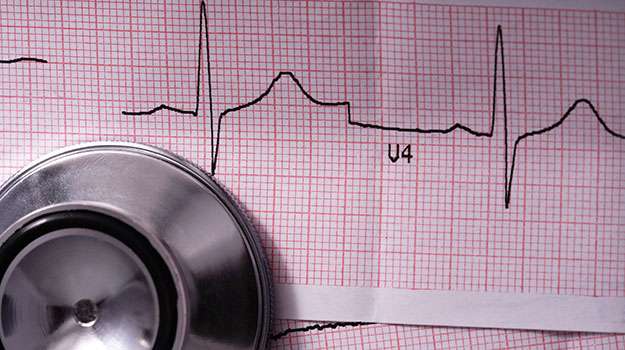
This condition arises when diverticula—small pouches that can form in the walls of your colon—become inflamed or infected. It’s increasingly common among older adults and requires prompt attention to avoid complications.
- Symptoms may present as sharp abdominal pain (usually on one side), fever, changes in bowel habits, and digestive upset such as bloating or constipation.
- A thorough assessment may involve blood tests along with imaging scans like CT to confirm inflammation or abscess formation in severe cases.
- Treatment often starts with dietary modifications followed by antibiotics; however, surgical options might be necessary for recurrent episodes or complications like perforation.
- Post-treatment monitoring is essential; lifestyle changes such as increasing fiber intake play a vital role in preventing future occurrences.
If you're experiencing symptoms of diverticulitis, seeking medical advice early can help ensure effective treatment and recovery strategies are implemented promptly.
GALLBLADDER SURGERY
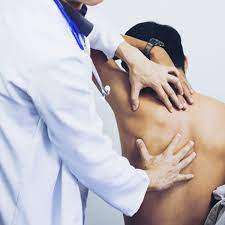
The gallbladder stores bile produced by the liver; however, problems such as gallstones can lead to significant discomfort and complications. Gallbladder surgery is often necessary when non-invasive treatments fail.
- Common indicators of gallbladder issues include episodes of severe abdominal pain after eating fatty meals, nausea, or jaundice.
- Diagnosis generally involves imaging studies such as ultrasounds combined with blood tests to look for infections or blockages.
- The standard treatment involves laparoscopic cholecystectomy—the removal of the gallbladder through small incisions using cameras for precision.
- Patients can expect a swift recovery compared to traditional surgery methods; most resume regular activities within a week or two while following postoperative care instructions closely.
Timely consultation can prevent further complications associated with gallbladder diseases.
HERNIA REPAIR
A hernia occurs when an organ pushes through an opening in muscle or tissue that holds it in place. This can lead to discomfort and serious complications if left untreated.
- The most common types include inguinal (groin), umbilical (belly button), and incisional hernias. Symptoms often manifest as a visible bulge and pain near the site.
- A physical examination can confirm a hernia diagnosis, sometimes supported by imaging techniques for more complex cases.
- Surgical intervention is typically required for correction; options include open surgery or laparoscopic techniques based on individual needs.
- Recovery may involve restrictions on physical activities, but many patients return to normal life within a few weeks post-surgery.
Recognizing your symptoms early can significantly aid in effective management and recovery from a hernia.
APPENDICITIS
Appendicitis is an inflammation of the appendix, a small pouch connected to the large intestine. It typically presents as severe abdominal pain that often begins around the navel and shifts to the lower right abdomen.
- Symptoms include sharp pain in the abdomen, nausea, vomiting, and loss of appetite.
- The condition is usually diagnosed through physical examinations, imaging tests like ultrasound or CT scan, and lab tests to check for infection.
- Treatment typically involves an appendectomy, which is the surgical removal of the appendix. Sometimes antibiotics may also be used if surgery isn’t necessary immediately.
- Post-surgery, patients can expect relief from symptoms within days and are advised to follow up with their healthcare provider regularly.
If you notice signs of appendicitis, seeking timely medical advice is crucial for optimal recovery.