
Dr Milind V Kirtane
About Me
Dr Milind V Kirtane
General Physician
Biography
My Clinic
OPD Hours
| Tuesday | Morning | 10:00 AM | - | 02:00 PM |
| Evening | 06:00 PM | - | 09:00 PM | |
| Wednesday | Morning | 10:00 AM | - | 02:00 PM |
| Evening | 06:00 PM | - | 09:00 PM | |
| Thursday | Morning | 10:00 AM | - | 02:00 PM |
| Evening | 06:00 PM | - | 09:00 PM | |
| Friday | Morning | 10:00 AM | - | 02:00 PM |
| Evening | 06:00 PM | - | 09:00 PM | |
| Saturday | Morning | 10:00 AM | - | 02:00 PM |
| Evening | 06:00 PM | - | 09:00 PM | |
| Sunday | Morning | 10:00 AM | - | 02:00 PM |
| Evening | 06:00 PM | - | 09:00 PM | |
| Thursday | Morning | 10:00 AM | - | 02:00 PM |
| Evening | 06:00 PM | - | 09:00 PM |
Treatments
Specialised care and treatments offered
PREVENTIVE HEALTH SCREENINGS

Preventive screenings play an essential role in detecting potential health issues before they escalate into serious conditions. Regular check-ups are key components of maintaining good health over time!
- The importance of these screenings cannot be overstated; they allow doctors to catch problems early when they're most treatable!
- A variety of tests might be recommended based on age demographics such as cholesterol checks or mammograms—each uniquely tailored per individual needs where applicable!
This proactive strategy empowers individuals toward achieving optimal well-being across lifespans!
STRESS MANAGEMENT

Managing stress effectively is essential for mental and physical health. Chronic stress can lead to various health issues if not handled proactively.
- Main causes of stress may include work pressures, personal relationships, or financial concerns faced by individuals daily.
- A thorough evaluation will be done during consultations to understand stress triggers specific to the individual’s life circumstances better.
- Coping strategies could involve mindfulness techniques like meditation or yoga along with suggestions for regular physical activity which significantly reduces stress levels naturally!
- Expect support throughout your journey as you learn new skills on how best to manage stress in everyday life positively!
Taking charge of your mental well-being fosters resilience against everyday pressures!
WEIGHT MANAGEMENT

Sustaining a healthy weight is important for overall health. Weight management strategies focus on sustainable lifestyle changes rather than quick fixes.
- Obesity can result from factors including poor dietary habits, lack of physical activity, genetic predisposition, and emotional factors like stress or depression.
- A healthcare provider might assess weight through BMI calculations alongside personal health history during consultations to understand unique challenges faced by the patient.
- An effective plan usually incorporates nutritional guidance tailored to individual needs along with an exercise regimen suitable for different fitness levels.
- Patients should expect regular check-ins that provide motivation while tracking progress towards achieving their weight goals sustainably.
The journey towards healthy weight management is achievable with dedication and guidance!
CHOLESTEROL MANAGEMENT
High cholesterol levels can increase the risk of heart disease but often present no immediate symptoms. Regular screenings are vital to identify those at risk.
- Factors contributing to high cholesterol include genetics, unhealthy diets rich in saturated fats, and sedentary lifestyles.
- A healthcare provider diagnoses this condition through a simple blood test known as a lipid panel that measures total cholesterol levels.
- Treatment options may encompass dietary modifications aimed at reducing unhealthy fats, increased physical activity, and sometimes medication if lifestyle changes are insufficient alone.
- Regular follow-up visits help in reassessing lipid levels while providing support for maintaining a heart-healthy lifestyle.
Caring for cholesterol levels is essential for overall cardiovascular health and wellbeing.
DIABETES CARE

Diabetes is a chronic condition affecting how the body processes glucose. Awareness and early management are key to maintaining health and preventing complications.
- The primary symptoms of diabetes include increased thirst, frequent urination, and unexplained weight loss.
- Diagnosis typically entails fasting blood sugar tests and HbA1c levels to evaluate long-term glucose control.
- Management focuses on lifestyle adjustments such as balanced nutrition, regular physical activity, and monitoring blood sugar levels; medications may also be prescribed when necessary.
- Patients should anticipate ongoing education about managing their condition through dietary choices and exercise routines.
With proper care and commitment to treatment plans, those with diabetes can successfully manage their condition.
HYPERTENSION MANAGEMENT

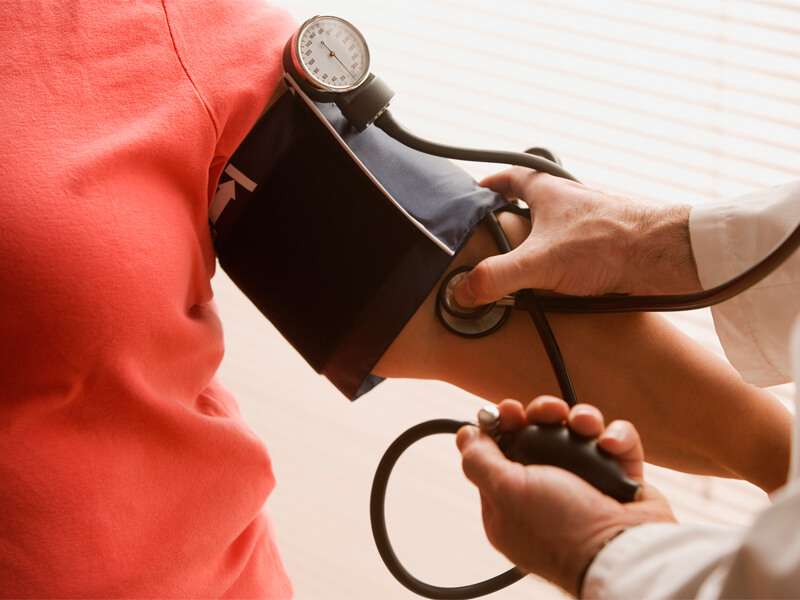
High blood pressure, or hypertension, is a common condition that can lead to serious health issues if left untreated. It often has no obvious symptoms, which makes regular monitoring crucial.
- Causes of hypertension can include poor diet, lack of exercise, and stress.
- Diagnosing high blood pressure involves measuring blood pressure readings during routine check-ups.
- Management options may involve lifestyle changes like adopting a healthier diet, increasing physical activity, and possibly medication.
- Patients can expect to regularly monitor their blood pressure at home and attend follow-up consultations for adjustments in treatment as needed.
With appropriate management strategies, individuals can lead healthy lives while effectively controlling their blood pressure.